
English Is a Weird Language – How Many of These Do You Know?
Strange but True


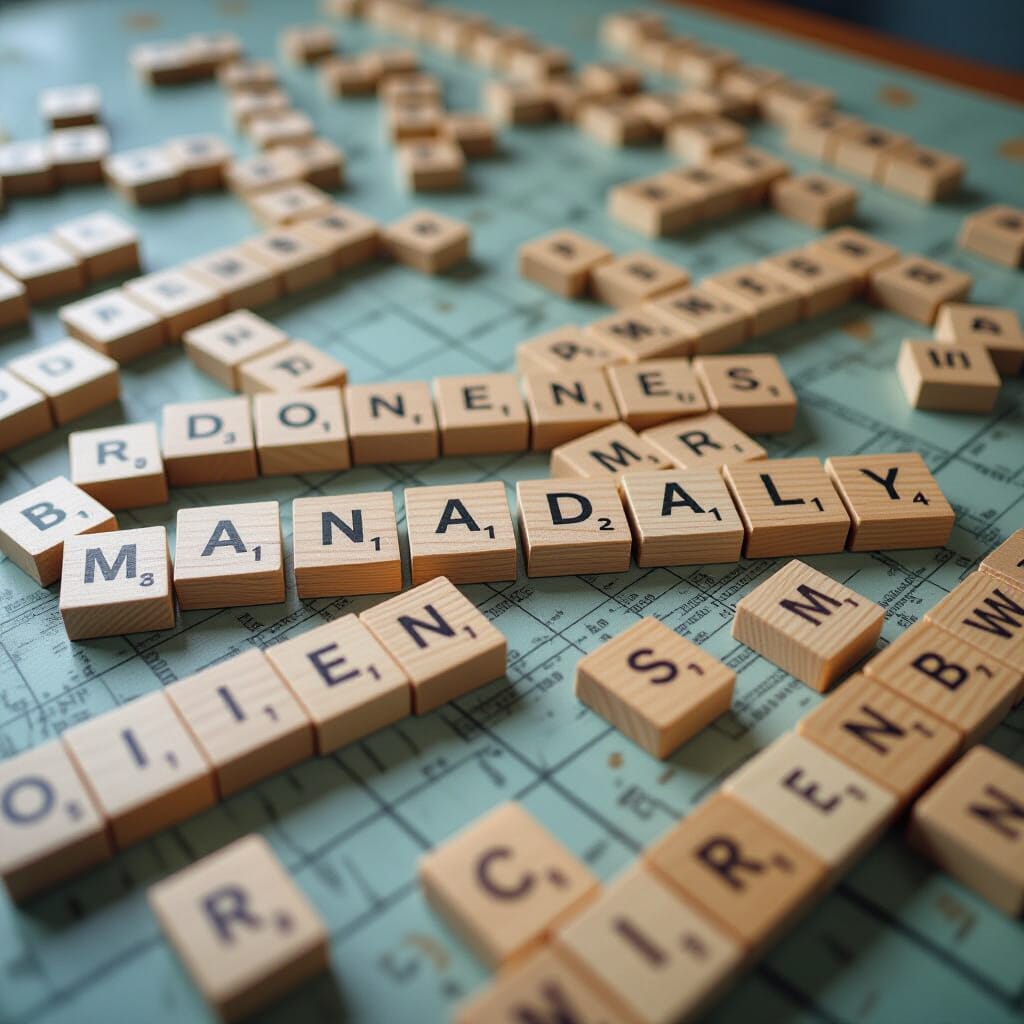
The English language has over 1 million words. However, about 171,476 words are commonly used today.
Native speakers typically have a vocabulary of 20,000 to 40,000 words. It is also said that knowing 3% of the total vocabulary allows you to read 95% of what is written.
It seems like the English language has a name for just about everything. If there isn’t, then we just make one up. I used to love describing people as "preprognisable."
Don’t rush off to Google to find out what it means. I made it up a few years ago to describe people I had no time for and who annoyed me.
So test your knowledge of weird and wonderful English words.
How many of these did you know?
I have put each one in a sentence to make it more fun, and then I have explained the meaning below.
#1. I had never seen anyone with such a hirsute glabella.
#2. Sitting on the bus, I was trying to work out who it was that had the strange wamble.
#3. Can you smell that petrichor?
#4. The amount of griffonage made it difficult to understand what he was actually on about.
#5. The party host, regretting the excessive alcohol consumption, blamed his crapulence on the open bar.
#6. That can’t be right; there must be a problem with your Bannock device.
#7. He had such a big columella nasi, you could easily mistake him for a cow.
#8. There is nothing more painful than when you break your minimus (???).
#9. I can’t do that until ovemorrow, will that be alright?
#10. Do you really think that all those interrobangs help your story?
Glabella - is the term that is used to describe the gap between the eyebrows at the top of the bridge of your nose.
It comes from the Latin word “glabellus” meaning smooth or hairless. I was watching a series on Netflix the other day that had a character whose galbella was non-existent. Her eyebrows were pretty much joined together. Most distracting from the character, as all I could focus on was her eyebrows.
Wamble – is a term used to describe when your tummy rumbles. It is likely to have originated in Middle English between 1150 and 1500. Some say it comes from Germanic or Norwegian roots, linking it to the word ‘vamla,’ which means to stagger. But I am not sure that relates to a rumbling stomach at all.
It originally meant "to feel nausea" or "to move unsteadily." It is often described as a queasy stomach.
Petrichor – this is the name given to the earthy smell that follow rainfall. The word itself has ancient origins. It’s derived from the Greek “petra” (stone) and “ichor” which, in Greek mythology, is the ethereal blood of the gods.
If you've ever paused to smell a rainforest, especially a eucalyptus forest, you get it. Two Australian scientists coined the term.
Griffonage – describes illegible handwriting. It comes from the French word "griffonner," meaning "to scribble" or "to scrawl. The term first appeared in the English language in the 1830’s. I tend to suffer from this. When I was working, I often needed a translator. Doctors are also well known for griffonage on prescriptions.
Crapulence – that horrible feeling that you get when you have eaten or drunk too much. It comes from late Latin "crapulentus." This word comes from Latin "crapula," which means "intoxication." The Latin term can be traced back further to the Greek word "kraipálē." It is a feeling often associated with Thanksgiving dinners, smorgasbords, or Christmas dinners.
Bannock device - this is the metal device that you put your foot into when you want to know your shoe size. It was invented and patented by Charles Bannock in 1926.
Columella nasi: This term refers to the tissue bridge that divides the nostrils at the bottom of the nose. You guessed it; it also comes from Latin. The Latin word “columella” means "little column." “Nasi” is the genitive form of "nasus," which means "nose."
Minimus - is used to describe your little toe or finger. Again, from the Latin word for smallest or tin.
Ovemorrow – finally a word that is derived not from Latin, but from German. The term describes the day after tomorrow and was first used in the mid-1950s in the Cloverdale bible. The origin is thought to derive from a similar word in German.
Interrobangs are a combination of a question mark with an exclamation mark (?!). It only dates back to the 1960s. They aren’t often used. That’s why you don’t find them on standard keyboards or in print. It is typically used for informal writing.
So there you have it, ten unusual words. How many did you know?
Till next time,
Calvin
About the Creator
Calvin London
I write fiction, non-fiction and poetry about all things weird and wonderful, past and present. Life is full of different things to spark your imagination. All you have to do is embrace it - join me on my journey.
Enjoyed the story? Support the Creator.
Subscribe for free to receive all their stories in your feed. You could also become a paid subscriber, letting them know you appreciate their work.
Comments
There are no comments for this story
Be the first to respond and start the conversation.