
Durable Cotter Pins for Aerospace and Industrial Use
Aerospace Standards and Quality Requirements for Cotter Pins
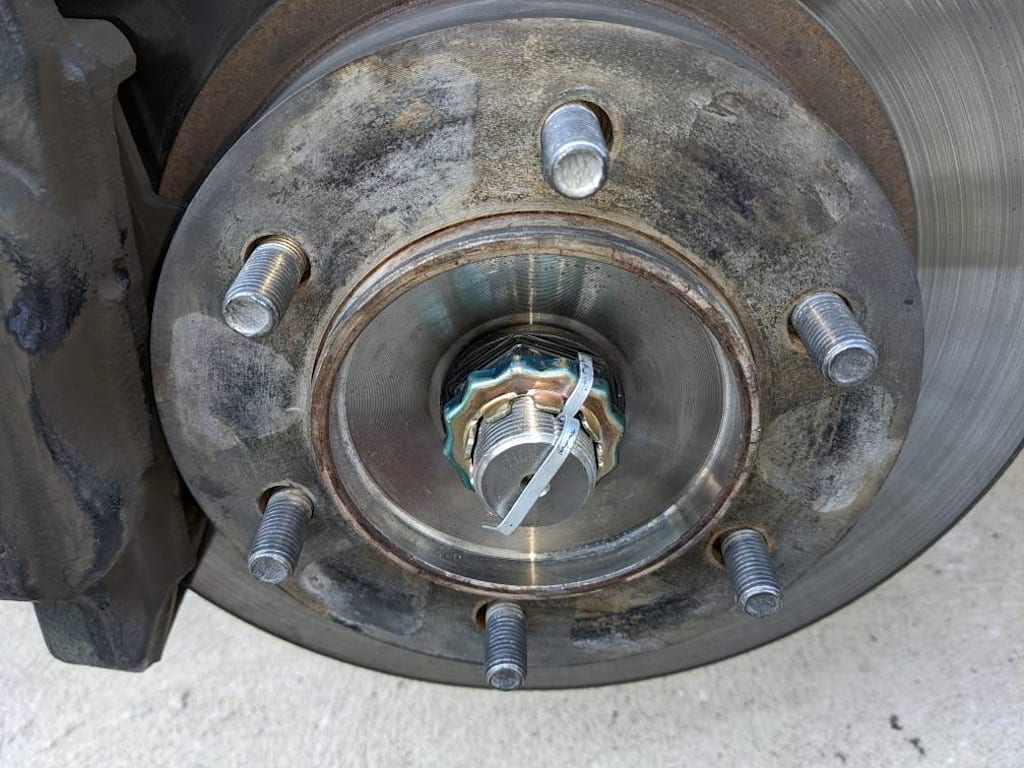
In aerospace and industrial environments, even the smallest components play a critical role in maintaining safety, stability, and operational efficiency. Among these essential fastening solutions, durable cotter pins are widely recognized for their ability to secure assemblies prevent loosening, and support long-term performance under demanding conditions.
Whether used in aircraft systems heavy machinery manufacturing equipment or transportation applications high-quality cotter pins provide a dependable locking mechanism that helps ensure structural integrity and operational reliability.
As industries continue to prioritize safety, precision, and durability, the demand for robust fastening components has grown significantly. Engineers and maintenance professionals rely on durable cotter pins because they offer a simple yet highly effective solution for securing nuts bolts clevis pins, and other mechanical connections exposed to vibration stress and movement.
Why Durability Matters in Aerospace and Industrial Applications
Aerospace and industrial systems operate under extreme conditions including high temperatures, heavy loads, constant vibration and exposure to corrosive environments. In such settings component failure can lead to costly downtime, equipment damage or serious safety concerns.
Durable cotter pins are designed to withstand these challenges by maintaining their locking capability over extended periods. Manufactured from high-strength materials such as stainless steel carbon steel brass and specialized alloys these fastening components resist wear deformation and corrosion. Their ability to retain mechanical connections makes them an essential part of preventive maintenance and long-term operational reliability.
In aerospace applications, where precision and safety standards are exceptionally strict every fastening element must meet rigorous quality requirements. Cotter pins help secure critical aircraft assemblies ensuring that components remain firmly connected throughout flight operations and maintenance cycles.
Applications of Cotter Pins in Aerospace Systems
The aerospace sector relies heavily on dependable fastening solutions to support aircraft performance and passenger safety. Durable cotter pins are commonly used in landing gear assemblies flight control systems engine components, and structural connections.
Aircraft are subjected to continuous vibration changing pressure levels and varying environmental conditions. Under these circumstances traditional fastening methods alone may not provide sufficient protection against loosening. Cotter pins act as a secondary locking mechanism preventing accidental movement of fasteners and helping maintain system integrity.
Because aerospace components must comply with strict industry standards, manufacturers produce cotter pins with precise dimensions and material specifications. This level of quality assurance ensures consistent performance and reliability in mission-critical applications.
Industrial Applications That Depend on Reliable Fastening
Beyond aerospace numerous industrial sectors rely on durable cotter pins to maintain equipment safety and productivity. Manufacturing plants, construction equipment, agricultural machinery mining operations and transportation systems all utilize these components to secure moving and stationary assemblies.
Industrial machinery often operates for extended periods under heavy workloads. Continuous vibration and repetitive motion can gradually loosen threaded fasteners increasing the risk of equipment failure. By incorporating a properly installed cotter pin into the assembly maintenance teams can significantly reduce the likelihood of unexpected disconnections.
These fastening solutions are also valued for their simplicity. Installation and replacement can be performed quickly during routine maintenance helping organizations minimize downtime and improve operational efficiency.
Material Selection and Performance Benefits
The effectiveness of a cotter pin depends largely on the material used in its construction. Stainless steel remains one of the most popular choices due to its excellent corrosion resistance and durability. It performs exceptionally well in marine, aerospace and outdoor industrial environments where exposure to moisture and chemicals is common.
Carbon steel cotter pins offer high strength and are frequently used in heavy-duty industrial equipment. Brass options provide additional corrosion resistance and are suitable for specialized applications requiring non-magnetic properties.
Selecting the appropriate material ensures optimal performance longer service life and reduced maintenance costs. Engineers evaluate environmental conditions load requirements and operational stresses before determining the most suitable fastening solution for a particular application.
Quality Standards and Industry Compliance
Aerospace and industrial organizations place significant emphasis on quality control and regulatory compliance. Durable cotter pins must meet stringent manufacturing standards to ensure consistent dimensions strength and performance characteristics.
Reputable manufacturers conduct extensive testing to verify material composition tensile strength, corrosion resistance and dimensional accuracy. This commitment to quality supports the principles of reliability and safety that modern industries demand.
Organizations that source components from trusted suppliers benefit from improved product consistency, enhanced operational confidence and reduced risk of premature component failure. Investing in certified fastening solutions ultimately contributes to safer and more efficient operations.
Best Practices for Installation and Maintenance
Proper installation is essential for maximizing the effectiveness of cotter pins. Maintenance personnel should ensure that the pin is correctly inserted through the designated hole and that its ends are bent securely to prevent accidental removal.
Regular inspections should also be conducted to identify signs of wear corrosion or deformation. Replacing damaged cotter pins during scheduled maintenance helps preserve equipment reliability and prevents unexpected failures.
By following recommended installation and inspection procedures, organizations can extend component life and maintain the integrity of critical mechanical assemblies.
Final thought
Durable cotter pins remain a vital component in aerospace and industrial applications where safety, reliability, and long-term performance are essential. Their ability to secure fasteners resist harsh operating conditions, and support critical assemblies makes them an indispensable part of modern engineering systems.
From aircraft structures and flight control mechanisms to industrial machinery and heavy equipment, these simple yet highly effective fastening solutions help prevent failures and maintain operational stability. By selecting high-quality materials adhering.
To industry standards and implementing proper maintenance practices organizations can maximize the value and performance of cotter pin installations while ensuring dependable operation in even the most demanding environments.
About the Creator
Enjoyed the story? Support the Creator.
Subscribe for free to receive all their stories in your feed.
Comments
There are no comments for this story
Be the first to respond and start the conversation.