
Different Types of Hardware Parts Used in Industrial Systems
Understanding the Essential Components Powering Modern Industrial Operations

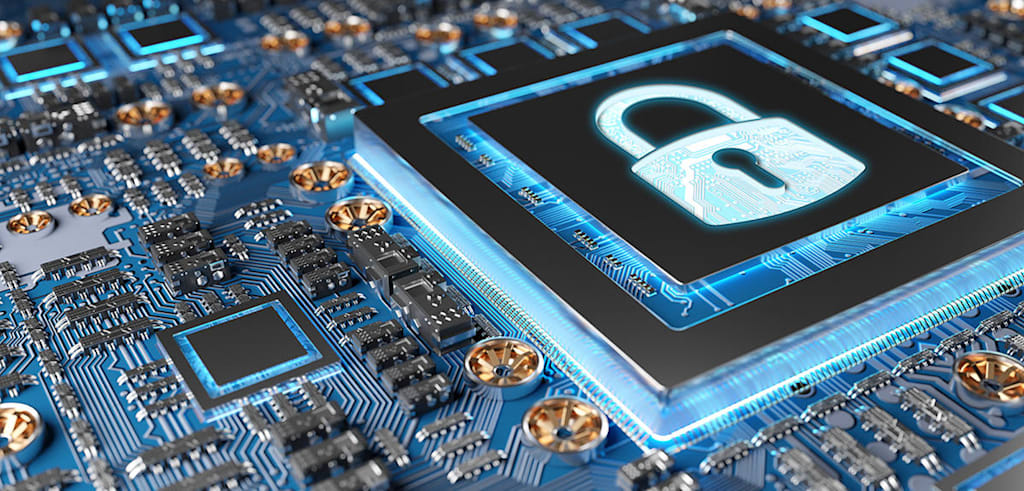
Industrial systems are the backbone of modern manufacturing production and infrastructure development. From automated assembly lines to heavy machinery and data driven control systems industries rely on a wide range of hardware components to ensure smooth and efficient operations.
These systems are designed to handle demanding workloads operate in challenging environments and deliver consistent performance over long periods.Hardware components play a critical role in supporting these complex systems.
By providing the physical infrastructure required for operation control and monitoring.Each component serves a specific purpose and together they form an integrated system that enables industries to achieve productivity precision and reliability.
Understanding the different types of hardware used in industrial systems is essential for engineers procurement specialists and business owners who aim to maintain operational efficiency and long term system performance.
Mechanical Components in Industrial Systems
Mechanical components are among the most fundamental elements in industrial systems. These parts are responsible for physical movement force transmission and structural support. Components such as gears bearings shafts and fasteners ensure that machines can perform tasks such as lifting rotating cutting and assembling materials.
These components are designed to withstand heavy loads continuous motion and harsh operating conditions. High quality materials and precision engineering are essential to ensure durability and minimize wear and tear.
Mechanical hardware plays a crucial role in maintaining system stability and ensuring consistent production output.In large scale industrial environments even minor mechanical failures can lead to significant downtime making the reliability of these components a top priority.
Electrical Components and Power Distribution
Electrical hardware components are essential for powering industrial systems and ensuring proper energy distribution. These components include transformers circuit breakers wiring systems and power supplies that deliver electricity to machines and equipment.
Reliable electrical systems are critical for maintaining operational continuity. Power fluctuations or failures can disrupt production processes and damage sensitive equipment. As a result industrial systems are designed with robust electrical infrastructure to ensure stable and efficient power distribution.
Electrical components also play a key role in safety by protecting systems from overloads short circuits and other electrical hazards. Proper maintenance and monitoring of these components are essential for preventing system failures and ensuring workplace safety.
Control Systems and Automation Hardware
Modern industrial systems rely heavily on automation to improve efficiency reduce human error and increase productivity. Control systems are at the core of this automation enabling machines to operate with precision and consistency.
Hardware components such as programmable logic controllers (PLCs) sensors actuators and control panels are used to monitor and manage industrial processes. These components collect data analyze system conditions and execute commands that control machinery and production lines.
Automation hardware allows industries to optimize workflows reduce operational costs and improve product quality. As industries continue to adopt smart manufacturing practices the role of control systems in industrial hardware is becoming increasingly important.
Networking and Communication Components
Industrial systems often require seamless communication between machines control units and monitoring systems. Networking hardware components such as routers switches and communication modules enable this connectivity.
These components allow data to be transmitted across different parts of the system supporting real time monitoring and decision-making. In modern industrial environments communication networks are essential for integrating various subsystems and ensuring coordinated operations.
With the rise of the Industrial Internet of Things (IIoT) networking hardware has become even more critical. Connected devices and sensors rely on strong communication infrastructure to share data and improve system performance.
Storage and Data Processing Hardware
Data plays a vital role in modern industrial systems. From monitoring equipment performance to analyzing production efficiency data-driven insights help organizations optimize their operations.
Storage devices and processing hardware are responsible for handling this data. Industrial computers servers and storage systems ensure that data is collected stored and processed efficiently. These systems support advanced analytics predictive maintenance and real-time decision-making.
Reliable data hardware enables industries to maintain operational transparency and improve long-term performance. As digital transformation continues to reshape industrial operations the importance of data related hardware will continue to grow.
The Role of Specialized Hardware in Industrial Applications
In addition to general-purpose components, many industrial systems require specialized hardware designed for specific applications. These components are tailored to meet unique operational requirements.
Such as high-temperature resistance corrosion protection or precision control.Industries such as aerospace manufacturing, and energy production rely on specialized Hardware Parts that meet strict performance and safety standards.
These components are engineered to deliver consistent results even in the most demanding environments.Using high-quality specialized hardware ensures system reliability reduces maintenance requirements and supports long-term operational success.
Maintenance and Reliability Considerations
Maintaining industrial hardware is essential for ensuring system reliability and preventing unexpected failures. Regular inspections timely repairs and proper component replacement help extend the lifespan of equipment and maintain optimal performance.
Preventive maintenance strategies are widely used in industrial environments to identify potential issues before they become critical. Advanced monitoring systems and diagnostic tools allow maintenance teams to track component performance and detect early signs of wear or malfunction.
Reliable hardware components combined with effective maintenance practices help organizations minimize downtime and maintain consistent production output.
Future Trends in Industrial Hardware
The future of industrial hardware is being shaped by technological advancements such as automation artificial intelligence and smart manufacturing. New hardware designs are focusing on improving efficiency reducing energy consumption and enhancing system integration.
Smart sensors and connected devices are becoming more common enabling real-time monitoring and predictive maintenance. These technologies allow industries to operate more efficiently while reducing operational risks.
Additionally advancements in materials science are leading to the development of more durable and lightweight components. These innovations are helping industries improve performance while reducing costs and environmental impact.
Final Thought
Industrial systems rely on a wide range of hardware components to function effectively. From mechanical and electrical parts to automation and networking systems, each type of hardware plays a critical role in supporting complex industrial operations.
Understanding the different types of hardware used in industrial systems helps organizations make informed decisions about procurement maintenance, and system design. High-quality components ensure reliability efficiency and long-term performance in demanding industrial environments.
As industries continue to evolve and adopt advanced technologies the importance of robust and reliable hardware will only increase. Investing in the right components and maintaining them effectively is key to achieving sustainable growth and operational excellence in modern industrial systems.
About the Creator
Beckett Dowhan
Where aviation standards meet real-world sourcing NSN components, FSG/FSC systems, and aerospace-grade fasteners explained clearly.
Enjoyed the story? Support the Creator.
Subscribe for free to receive all their stories in your feed.
Comments
There are no comments for this story
Be the first to respond and start the conversation.