
Comets Through The Lens Of The Ancients
“Who knows whether, when a comet shall approach this globe to destroy it, as it often has been and will be destroyed, men will not tear rocks from their foundations by means of steam, and hurl mountains, as the giants are said to have done, against the flaming mass? - and then we shall have traditions of Titans again, and of wars with Heaven...” ― Lord Byron

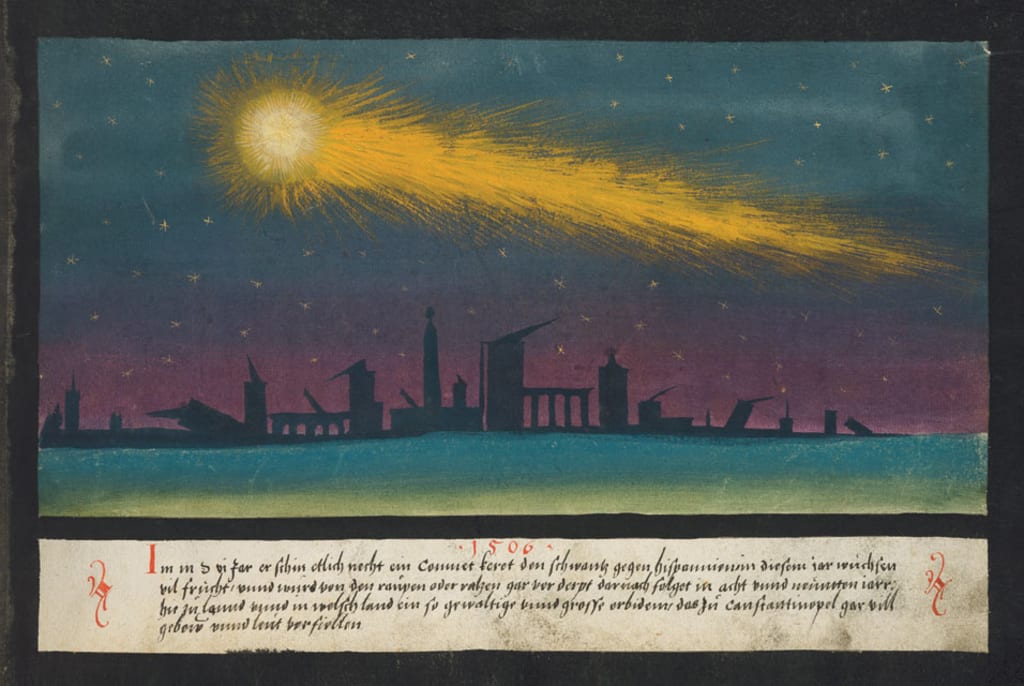
Imagine looking up at the vast night sky, hopefully far away from bustling cities, crowds, and light pollution. The only sound is of the cool and gentle breeze. The stars shine brightly, dotting the dark expanse of space, more numerous and majestic than you could have imagined. Suddenly a shimmering tail of light streaks across the darkness, brilliant and ethereal. It blazes with a luminescent glow, a celestial messenger weaving through the cosmos. You feel like a rather small and insignificant speck compared to the magnificent celestial bodies floating in endless space. yet profoundly connected to something much larger, a universe filled with mysteries.
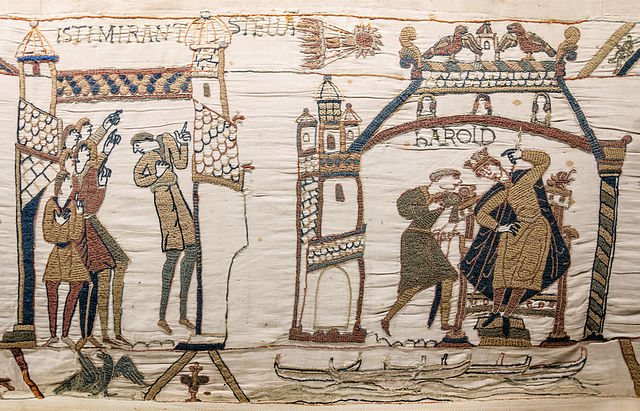
Of course, you know that you are watching a comet. Ephemeral ghosts of frozen leftovers from the formation of the solar system composed of dust, rock, and ice. But what must our ancient ancestors have thought as they stood and beheld the skies ablaze with light? Not surprisingly, comets figure prominently in the mythology and legends all around the world. Comets were unlike any other object in the night sky. Whereas most celestial bodies travel across the skies at regular, predictable intervals, so regular that constellations could be mapped and predicted, comets' movements have always seemed very erratic and unpredictable. As a result, comets have inspired dread, fear, and awe in many different cultures and societies around the world and throughout time it’s only once you have been held in the comet’s thrall that you can truly appreciate how these stories originated and how our forefathers might have believed them to be the “Messenger of Gods” or "the Harbinger of Doom" and "the Menace of the Universe."
The word comet, now used in all European languages, comes from the Greek word “kometes” meaning `the hairy one' – a reference to the characteristic tail.
At least one Roman Emperor took some comfort from this. When a ‘hairy star’ appeared over Rome in 79 AD, Emperor Vespasian bravely remarked, “This is an omen, not for me, but for the Parthian king; for he has long hair, whereas I am bald”; misplaced bravado from a ruler who was to die the same year.
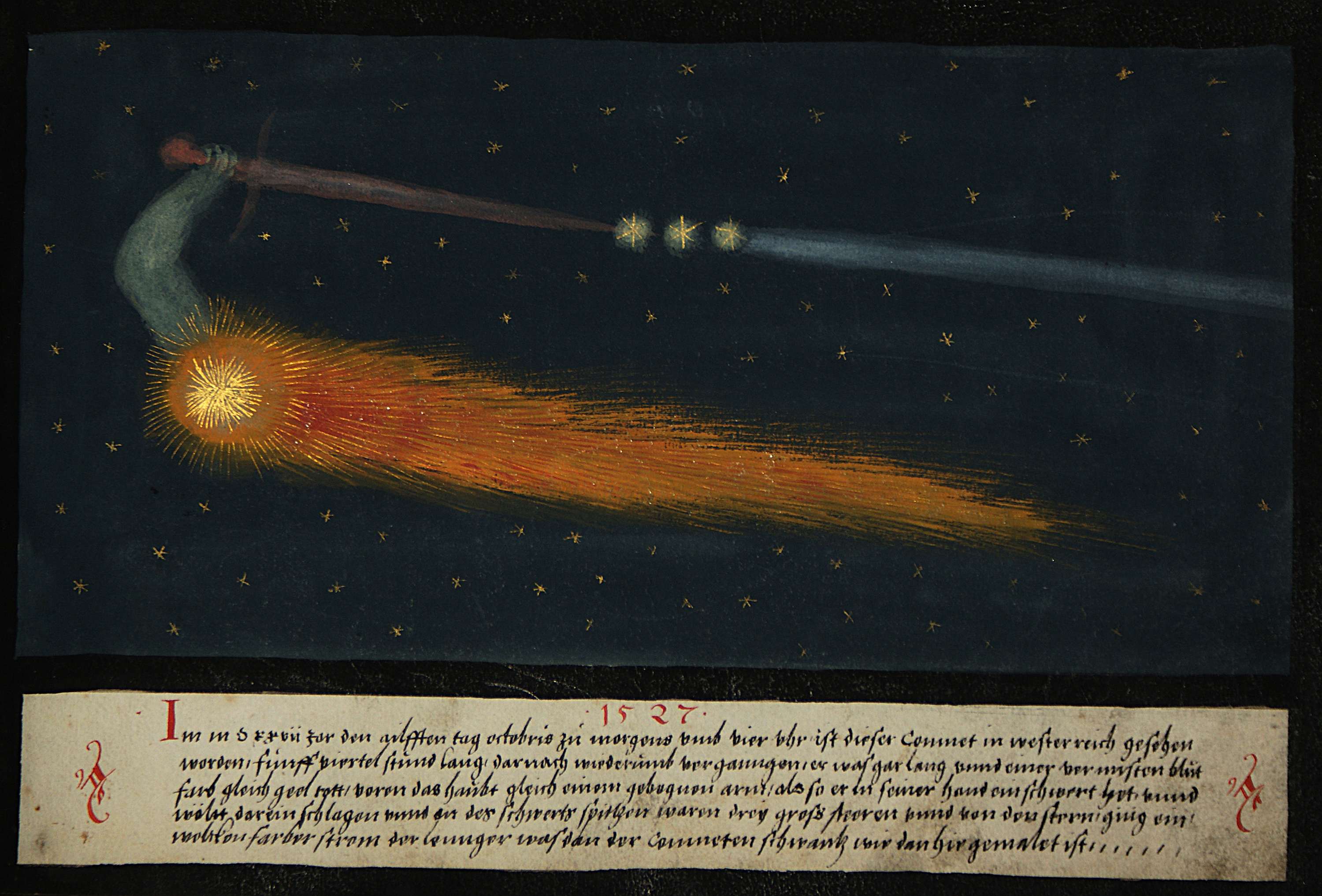
The Greeks and Romans noted the arrival of comets as a sure sign of bloody warfare and disaster, (the word ‘disaster comes from ‘dis’ meaning evil, and ‘aster’, meaning star). with Cicero, writing of the civil war between Augustus and Antony, that “blazing stars, by the Greeks called cometae ... were foreboders of great calamities”.
The Roman historian Pliny shared his view. He noted that a comet was seen in the sky during the civil disorder in the consulship of Octavius and again during the war between Pompey and Caesar. He also noted a comet appearing about the time of the poisoning that secured the empire to Emperor Nero. He wrote, “and thereafter during Nero’s principality shining almost continuously and with a terrible glare.”
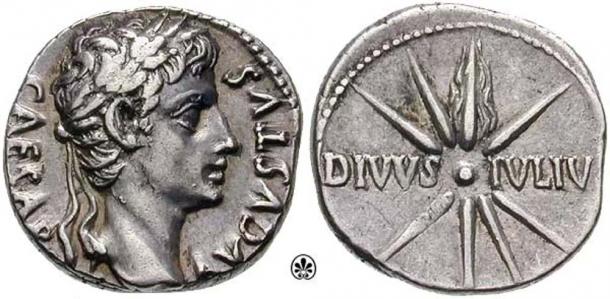
Seven days after Julius Caesar's death, a comet appeared in the northern sky so bright it could be seen in daylight. Named Caesaris Astrum (‘Star of Caesar’), this was taken to mean that Caesar had become immortal and entered the realm of heaven. Caesar’s adopted son Octavian, (soon to be Emperor Augustus), persuaded the Roman citizens that the comet’s appearance was a portent of his father’s deification by the gods. Once he was made emperor, Augustus had new silver coins made celebrating the comet and the deification of his father. It helped in ruling the Roman Empire to remind the people that you were the son of a god.
In another example, the Roman historians in their writing mention celestial “comet stars” occurring as among the portents witnessed after the death of the Egyptian queen Cleopatra and Egypt being fully conquered by Rome.
Ancient Chinese also considered comets as disastrous omens and they were seen as an imbalance in the nature of yin and yang that could bring on war. So as to be forewarned, Chinese emperors employed astrologers specifically to watch for comets.
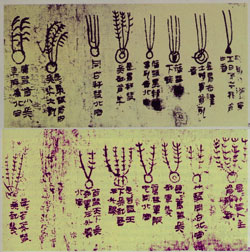
As a result, unlike in the West, Chinese astronomers kept extensive records on the appearances, paths, and disappearances of hundreds of comets. Extensive comet atlases have been found dating back to the Han Dynasty, which describes comets as "long-tailed pheasant stars" or "broom stars" and associates the different cometary forms with different disasters.
“Comets are vile stars,” noted Li Ch’un Feng, the director of the Chinese Imperial Astronomical Bureau around 648 CE. “Every time they appear in the south, they wipe out the old and establish the new. Fish grow sick, crops fail, Emperors and common people die, and men go to war. The people hate life and don’t even want to speak of it.”

One emperor, Ruizong of Tang, 712 AD actually abdicated his throne after the appearance of a comet. Chinese records of “Broom Stars” (hui-sing) as comets go all the way back to 1059 BC, with the comet of 240 BC being the earliest confirmed record of Halley’s Comet.
Comets and meteors were of great importance to the Aztecs of central Mexico. Meteors were viewed as arrows of stellar gods. The arrows could hit people and were feared when walking at night. Comets were viewed as smoking stars and as bad omens, announcing the death of a ruler. A bright comet was seen by the last Aztec ruler – Montezuma was said to foretell his downfall to the Spanish conquerors.
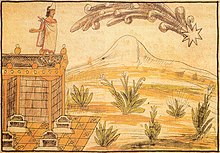
"When a comet appears there will be a drought or great mortality." - Codex Mendoza.
The Codex Mendoza, a 16th-century Aztec codex, provides insight into the Aztec interpretation of comets. This quote reflects the belief that the appearance of a comet could signify a period of hardship or death.
In North America around the Great Lakes region, the native Chippewa’s creation myth involves a comet called “Genondahwayanung”, (Long-Tailed Heavenly Climbing Star) that flew low over the Earth, and as it went over, its long, wide tail burned up all the land and creatures. Only the people who the Great Spirit told to take reeds to breathe through and hide in a swamp survived the scorching heat from the comet. Thereafter, any appearance of bright comets was regarded as a serious matter requiring the attention of the tribal medicine men
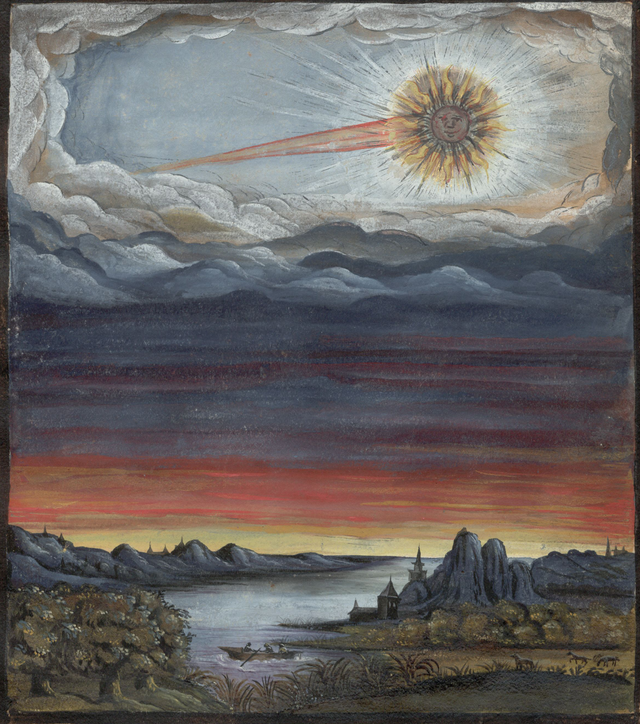
Australian Aboriginals believed that comets, which they called “stars with trails”, had great significance and meaning. These events were often recorded in oral tradition, but some comet-inspired art has been found in rock carvings near Sydney. The appearance of a bright comet often triggered great dread among Aboriginals and was associated with omens of sickness and death. Some tribes saw comets as evil spirits that drank the rain clouds causing drought on the land below. Others thought they were spears of a celestial being named Wurluru who lived in the sky and would occasionally throw spears across the heavens. To drive away the comet, medicine men would throw magical stones at the comet until it faded from view.
About the Creator
Himani
Stories from nature, history, myths and legends.
Enjoyed the story? Support the Creator.
Subscribe for free to receive all their stories in your feed.
Comments
There are no comments for this story
Be the first to respond and start the conversation.