
Black Cowgirls were prominent in the American West
Hidden history is now coming to light, and it's amazing.


There were black cowgirls in the American West
In the episode of Family Matters titled The Good the Bad, and the Urkel, Carl Winslow (Reginald VelJohnson) dreams he is in the Old West, where Rachel Crawford (Telma Hopkins) runs a saloon. This led me to wonder if there were Black cowgirls or African American female saloon owners in those days.
Movies and television shows I watched growing up in the 1960s and early 1970s did not depict African American women as a part of the Wild, Wild West, but they were very much involved.
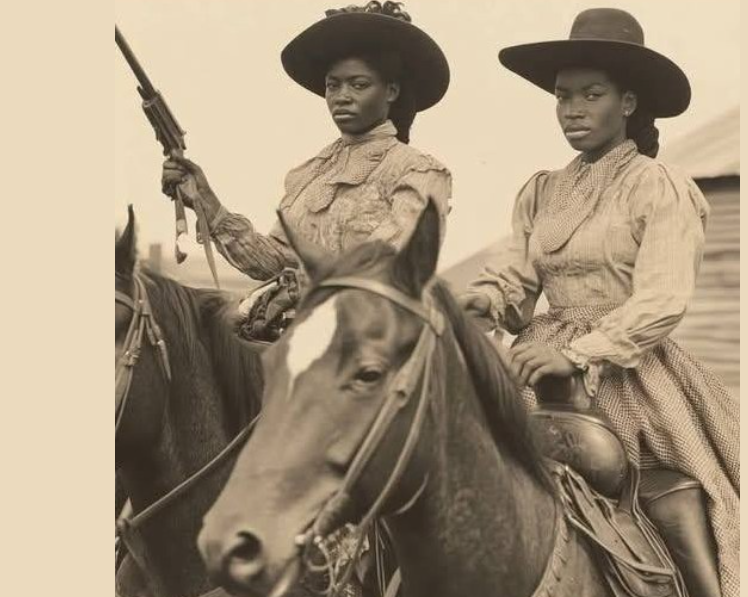
This was not in any history books I read but Black cowgirls were significant figures in the American West. Their legacy, which began after slavery was abolished, included ranching, rodeo, and horsemanship. Their poerformances challenged racial and gender stereotypes and barriers.
Black history is being preserved
Mary Fields and Eliza Carpenter worked as stagecoach drivers and owned stables. Other Black women, like Ola Watson and Rose Smith, excelled in rodeo sports like barrel racing and roping.
Although the Trump administration has been removing aspects of African American contributions to the nation, organizations and rodeos, such as the Bill Pickett Invitational Rodeo and the Black Cowboy Museum, are working to preserve Black history and promote African American involvement in equestrian culture.
Historical Contributions of Black Women in the West
Black women were cattle ranchers and cow drivers who were involved in difficult aspects of branding and herding. Many cowgirls of color who sought opportunities in the West after the Civil War were daughters of formerly enslaved parents.
Women like Ola Watson and Rose Smith made their mark in rodeo, competing in events such as barrel racing and roping. Eliza Carpenter was an Oklahoma stable owner who demonstrated remarkable skill and independence in male-dominated fields.
An estimated 25% of cowboys after the Civil War were African American. The number of women remains unknown. A cowboy was an option that brought employment to former slaves without their being a butler, waiter, or porter.
A different narrative
Based on this information, ther may have been someone like Aunt Rachel who ran a saloon like Miss Kitty at the Longbranch on Gunsmoke. Unfortunately, I was ignorant of this possibility, but it wasn't the first time.
One year, my daughter participated in Dickens of a Christmas, which takes place annually in Downtown Roanoke, Virginia, each December. She looked beautiful in her period outfit, but I was disappointed.
I was thinking how, in America, during this time period, she would have been a slave. I had no idea how Black people in England lived, and doubted that she would have been dressed this way had we lived across the pond in the 1800s.
Thanks to the Internet, I now know that prominent African Americans lived in the UK in the days of Charles Dickens. Unfortunately, the man who became famous for A Christmas Carol had similar thoughts, as did some American males. He saw society devoid of Blacks and women.
Take charge of your unique history
My takeaway from learning about Black cowgirls is that all minorities must do whatever they can to share their history and keep it alive. The past can't be changed, but moving forward, remember it's your responsibility and not that of any other race or ethnicity.
Women should not depend on men to champion their cause, and those who are red, yellow, black, and brown should not count on anyone else to tell their story. Do it yourself with pride as if your voice is the onyl one that counts. There are tools and freedoms now that can be utilized, so put your talents to good use.
About the Creator
Cheryl E Preston
Cheryl is currently pursuing a Bachelor of Science in Psychology. She enjoys writing about current events, history and baby boomer nostalgia. Tips are greatly appreciated.
Enjoyed the story? Support the Creator.
Subscribe for free to receive all their stories in your feed. You could also become a paid subscriber, letting them know you appreciate their work.
Comments
There are no comments for this story
Be the first to respond and start the conversation.