
Beginner’s Guide to Aviation Hardware: Types, Uses & Why It Matters in Aerospace
A Simple and Complete Overview of Aircraft Fasteners, Components, and Their Role in Aerospace Safety

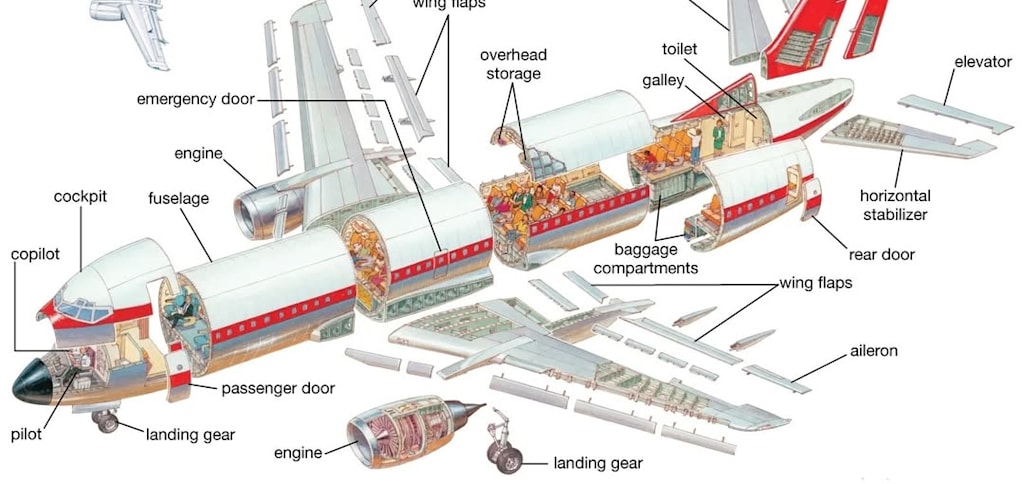
Aviation hardware plays a foundational role in the safety, performance and reliability of aircraft systems. From commercial airplanes to military jets, every aircraft depends on thousands of small but highly engineered components that keep the entire structure secure and functional. For beginners, understanding aviation hardware is essential because it forms the backbone of aerospace engineering and maintenance operations.
In simple terms, aviation hardware refers to the nuts, bolts, screws, rivets, washers and specialized fastening systems used in aircraft construction and maintenance. These components are designed to withstand extreme pressure, vibration, temperature changes and environmental conditions that are common in aviation environments. Without them, even the most advanced aircraft would not be able to operate safely.
Understanding the Types of Aviation Hardware
Aviation hardware is not a single category; it includes a wide range of precision-engineered components, each serving a specific purpose. Fasteners such as bolts and screws are among the most commonly used parts and they are manufactured according to strict aerospace standards to ensure maximum safety and durability. These fasteners are often made from high-strength materials like stainless steel, titanium and alloy steel to resist corrosion and mechanical stress.
Another important category includes rivets, which are widely used in aircraft assembly. Rivets provide a permanent joining solution for metal sheets and structural components. Unlike removable fasteners, rivets are designed to create long-lasting bonds that can withstand continuous stress during flight operations.
Washers, nuts and pins also play a crucial role in aviation hardware systems. Washers help distribute load evenly and prevent damage to surfaces, while nuts secure bolts in place. Pins are used for alignment and locking purposes in various mechanical assemblies. Each of these components may seem small, but together they ensure the structural integrity of the aircraft.
Specialized hardware such as locking devices, clamps and fittings are also widely used in aerospace applications. These components are designed for specific operational requirements and often meet strict military or aviation-grade certifications.
Key Uses of Aviation Hardware in Aircraft Systems
The primary use of aviation hardware is to hold aircraft structures together in a secure and reliable manner. Every section of an aircraft, including the fuselage, wings, landing gear and engine components, depends on these fastening systems. They ensure that all parts remain firmly connected even under high-speed flight conditions and turbulent environments.
In addition to structural assembly, aviation hardware is also used in aircraft maintenance and repair operations. Maintenance teams regularly inspect, replace and upgrade hardware components to ensure continued safety and performance. Even a minor defect in a fastener can lead to serious operational risks, which is why precision and quality are extremely important in this field.
Aviation hardware is also essential in aerospace manufacturing. During the production of aircraft, engineers carefully select hardware components based on load requirements, environmental conditions and material compatibility. This ensures that every aircraft meets international safety standards and performs efficiently throughout its operational life cycle.
Why Aviation Hardware Matters in Aerospace Engineering
The importance of aviation hardware in aerospace cannot be overstated. Aircraft are exposed to extreme conditions such as high altitude pressure changes, strong wind forces and temperature fluctuations. In such environments, even the smallest hardware failure can lead to significant safety risks.
This is why aviation-grade components are manufactured under strict quality control systems and industry certifications. These components are tested for strength, durability and resistance to fatigue. The reliability of aviation hardware directly impacts passenger safety, aircraft performance and operational efficiency.
In modern aerospace engineering, the focus on lightweight yet strong materials has also increased the importance of advanced aviation hardware. Engineers continuously innovate new designs and materials to reduce aircraft weight while maintaining structural integrity. This improves fuel efficiency and reduces operational costs for airlines.
Industry Standards and Quality Assurance in Aviation Hardware
The aerospace industry follows strict international standards to ensure the safety and reliability of aviation hardware. Every component must meet specific certification requirements before it can be used in aircraft manufacturing or maintenance. These standards ensure that hardware can perform under extreme operational conditions without failure.
Quality assurance processes involve multiple stages of inspection, testing and validation. Manufacturers conduct stress tests, corrosion resistance tests and fatigue analysis to guarantee product reliability. This level of precision is what makes aviation hardware different from standard industrial hardware.
Suppliers and distributors also play an important role in maintaining quality standards. Reputable suppliers ensure that every component is traceable, certified and compliant with aerospace regulations. This helps maintain consistency and safety across the aviation supply chain.
Final Thoughts: The Foundation of Safe and Efficient Aviation
Aviation hardware may appear small and simple, but it is one of the most critical elements in aerospace engineering. From securing aircraft structures to ensuring safe flight operations, these components form the backbone of the entire aviation industry. Understanding their types, uses and importance helps beginners appreciate the complexity and precision involved in aircraft design and maintenance.
As the aerospace industry continues to evolve, the demand for high-quality aviation hardware will only increase. Whether it is commercial aviation, defense systems, or space exploration, reliable hardware will always remain at the core of safe and efficient operations.
In the end, aviation hardware is not just about bolts and screws it is about trust, safety and engineering excellence that keeps the world flying.
About the Creator
Beckett Dowhan
Where aviation standards meet real-world sourcing NSN components, FSG/FSC systems, and aerospace-grade fasteners explained clearly.
Enjoyed the story? Support the Creator.
Subscribe for free to receive all their stories in your feed.
Comments
There are no comments for this story
Be the first to respond and start the conversation.