
BM5 Anver Captured O-Ring Barbed Fitting: The Small Component That Keeps Fluid Systems Reliable
This Weeks Engineering Newsletter: In industrial systems, people often focus on pumps, engines and automation platforms. But honestly some of the most important work is done by smaller components hidden deep inside the system.

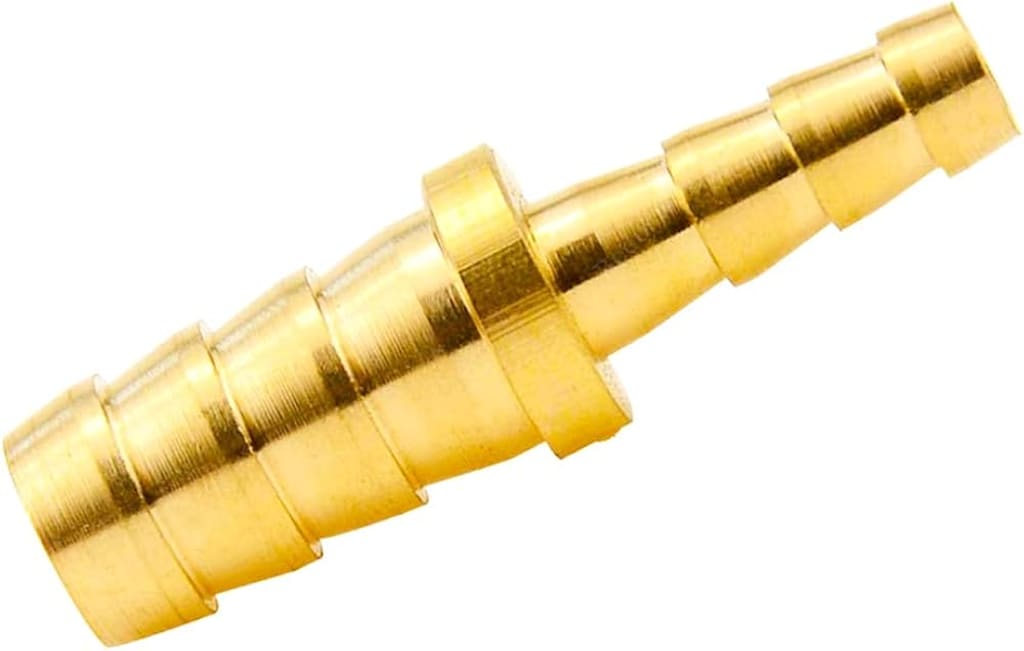
What Is a BM5 Anver Captured O-Ring Barbed Fitting?
A BM5 Anver Captured O-Ring Barbed Fitting is a specialized connection component commonly used in fluid transfer and pneumatic systems.
In simple terms, these fittings help
- Secure hose connections
- Reduce leakage risks
- Maintain pressure stability
- Improve sealing performance
- Support fluid or air transfer systems
And honestly, while these components may appear simple externally, their role inside industrial systems is extremely important.
Why Connection Reliability Matters So Much
One thing industrial engineering understands very well is this:
Systems are only as reliable as their weakest connection point.
Fluid and pneumatic systems constantly deal with
- Pressure changes
- Vibration
- Temperature variation
- Continuous operational stress
That means fittings and seals need to remain stable over time.
From what I’ve seen, small connection failures often create larger maintenance and operational challenges later.
The Purpose of Captured O-Ring Designs
One feature that makes captured O-ring fittings especially valuable is sealing consistency.
Captured O-ring systems help
- Maintain tighter seals
- Reduce leakage risk
- Improve installation stability
- Support long-term reliability
And honestly, in industries where precision matters, even minor leakage issues can become expensive quickly.
That’s why engineers place so much emphasis on dependable sealing systems.
Why Barbed Fittings Remain Widely Used
Barbed fittings have remained popular for a simple reason:
They create secure hose connections efficiently.
Common advantages include
- Reliable grip strength
- Simplified installation
- Stable hose retention
- Compatibility across multiple systems
From my perspective, good engineering often focuses less on complexity and more on dependable performance.
And barbed fittings represent that idea perfectly.
Industries That Depend on These Components
One thing many people overlook is how widely fluid fittings are used across industries.
Common applications include
- Industrial automation
- Aerospace systems
- Manufacturing equipment
- Pneumatic tools
- Medical equipment
- Vacuum systems
Quietly, these components help larger systems maintain operational stability every day.
Why Aerospace and Industrial Systems Demand Better Sealing
Aerospace and industrial systems operate in demanding environments.
Components must often withstand
- Constant vibration
- Pressure fluctuations
- Environmental exposure
- Long operating cycles
That means sealing reliability becomes critical.
From what I’ve seen, engineers increasingly prioritize fittings capable of supporting long-term operational consistency under stress.
The Maintenance Side Nobody Talks About Enough
Maintenance professionals understand the value of quality fittings better than most people.
Because when a connection fails, the consequences often include:
- Downtime
- Pressure loss
- Fluid leakage
- System inefficiency
- Repair delays
Reliable fittings help maintenance teams
- Reduce replacement frequency
- Improve operational consistency
- Minimize unexpected failures
- Simplify servicing procedures
And honestly, preventive reliability is usually far less expensive than emergency repairs.
Why Material Quality Matters
One thing I genuinely admire about industrial engineering is its focus on material performance.
Because the wrong material choice can shorten component lifespan significantly.
- High-quality fitting systems help support
- Better durability
- Improved sealing consistency
- Corrosion resistance
- Long-term operational stability
This is where manufacturers like Anver Manufacture company quietly become important within industrial supply systems.
Not because they create dramatic headlines, But because they help support dependable operations behind the scenes.
Modern Industrial Systems Are Becoming More Precise
Industrial systems today are expected to operate with greater efficiency than ever before.
- Companies now prioritize
- Reduced downtime
- Better energy efficiency
- Improved operational reliability
- More predictable maintenance schedules
That means even smaller components must perform consistently under demanding conditions.
From my perspective, modern engineering is becoming increasingly detail-focused.
Why Supply Chain Reliability Matters Too
One growing challenge across industrial sectors is sourcing consistency.
Organizations are now managing:
- Global supply chains
- Inventory shortages
- Specialized component requirements
- Compatibility concerns
That’s why companies increasingly value
- Traceable inventory systems
- Reliable sourcing partners
- Standardized component specifications
- Long-term availability
And honestly, procurement reliability has become just as important as component performance itself.
What I Think Industrial Engineering Gets Right
One thing I respect about industrial engineering is its understanding that reliability is built through fundamentals.
Large systems succeed because smaller systems work consistently.
Components like O-ring barbed fittings help create
- Stable fluid movement
- Safer operations
- Better maintenance efficiency
- Improved equipment lifespan
And honestly, those outcomes matter far more than flashy technology trends.
Looking Ahead: Smarter Fluid System Components
The future of industrial connection systems will likely continue evolving.
We’ll probably see
- Better sealing materials
- Smarter leak detection systems
- More durable lightweight fittings
- Improved pressure management designs
- Better predictive maintenance integration
But despite future innovation, one principle will remain true:
Industrial systems still depend on reliable physical connections.
The Human Side of Industrial Reliability
Most people never think about fittings, seals, or hose connections.
They simply expect industrial systems to operate correctly.
Quietly behind that expectation are countless components working continuously to maintain pressure stability, fluid control, and operational safety.
From my perspective, fittings like the BM5 Anver Captured O-Ring Barbed Fitting represent something larger than industrial hardware alone.
They represent trust in system reliability.
Final Thoughts
The BM5 Anver Captured O-Ring Barbed Fitting may appear to be a small industrial component, but it plays an important role in supporting stable fluid and pneumatic operations across multiple industries.
These fittings help improve sealing performance, maintain connection reliability, reduce leakage risks, and support long-term system efficiency.
From my perspective, components like these remind us that industrial success is rarely built only through large machines or advanced software—
It is built through dependable supporting systems designed to perform consistently under pressure.
In fluid systems, reliability is often decided by the smallest connection point.
About the Creator
Beckett Dowhan
Where aviation standards meet real-world sourcing NSN components, FSG/FSC systems, and aerospace-grade fasteners explained clearly.
Enjoyed the story? Support the Creator.
Subscribe for free to receive all their stories in your feed.
Comments
There are no comments for this story
Be the first to respond and start the conversation.