
Australia Bakery Products Market: A Rising Trend in Taste and Convenience
The Australia bakery products market is estimated to be valued at AUD 9.13 billion in 2024. It is expected to grow at a CAGR of 6.10% between 2025 and 2034 to reach almost AUD 16.51 billion by 2034.
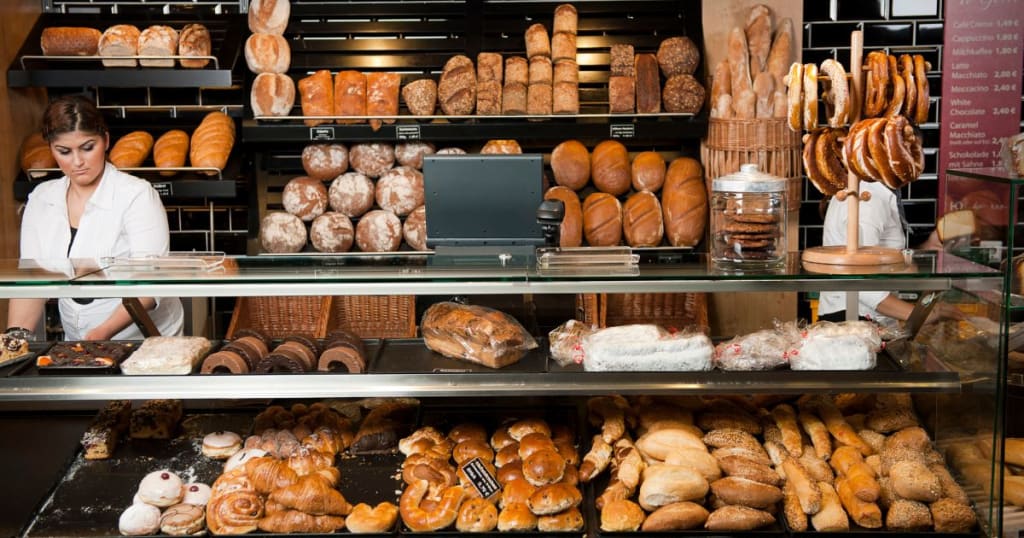
The Australia bakery products market is estimated to be valued at AUD 9.13 billion in 2024. It is expected to grow at a CAGR of 6.10% between 2025 and 2034 to reach almost AUD 16.51 billion by 2034.
The Australian bakery products market is experiencing dynamic growth, driven by evolving consumer preferences, an increasing demand for convenience foods, and a growing interest in health-conscious options. From artisan breads and gluten-free pastries to traditional Aussie favorites and international baked goods, the market reflects a diverse and vibrant culinary landscape. This article explores the current trends, key drivers, challenges, and future prospects shaping the Australian bakery products market.
1. Market Overview
The Australian bakery products market, valued at AUD 9.13 billion in 2024, encompasses a wide range of products including bread, cakes, pastries, cookies, biscuits, and savory baked items. The industry serves both retail consumers and the foodservice sector, with innovations in product offerings catering to different tastes, dietary needs, and lifestyles.
Key Categories in the Market:
Breads: White bread, whole grain, sourdough, rye, and specialty breads.
Cakes and Pastries: Layer cakes, muffins, croissants, Danish pastries, and tarts.
Cookies and Biscuits: Traditional biscuits, cookies, crackers, and snack bars.
Savory Baked Goods: Pies, quiches, savory pastries, and flatbreads.
Gluten-Free and Specialty Products: Catering to health-conscious and dietary-restricted consumers.
2. Growth Drivers
Several key factors are fueling the growth of the Australian bakery products market:
a. Rising Demand for Convenience Foods
With busy lifestyles, Australians are increasingly opting for ready-to-eat, convenient bakery products. This trend is driving demand for packaged breads, snack bars, and pre-baked meals that offer both taste and convenience.
b. Health and Wellness Trends
Consumers are becoming more health-conscious, seeking bakery products that are low in sugar, high in fiber, and free from artificial additives. The popularity of gluten-free, vegan, and organic products continues to rise, influencing product development.
c. Artisanal and Craft Bakery Movement
There is a growing appreciation for artisanal baked goods, characterized by traditional methods, natural ingredients, and unique flavors. This trend supports local bakeries and small-scale producers, creating a niche market for specialty products.
d. Innovations in Product Offerings
Bakeries are continuously innovating to meet changing consumer demands. This includes the development of functional foods, such as high-protein breads, probiotic pastries, and fortified baked goods that offer additional health benefits.
3. Market Segmentation
The Australian bakery products market can be segmented based on product type, distribution channel, and consumer demographics:
By Product Type:
Breads: Sliced bread, artisan loaves, gluten-free, and specialty breads.
Cakes and Pastries: Muffins, cupcakes, layered cakes, croissants, and tarts.
Cookies and Biscuits: Sweet and savory biscuits, cookies, and snack bars.
Savory Baked Goods: Pies, pasties, savory rolls, and flatbreads.
Gluten-Free and Vegan Products: Catering to dietary preferences and restrictions.
By Distribution Channel:
Retail Stores: Supermarkets, hypermarkets, and specialty food stores.
Online Retail: E-commerce platforms offering fresh bakery products and ingredients.
Foodservice Industry: Restaurants, cafes, catering services, and bakeries.
Direct-to-Consumer Sales: Artisanal bakeries selling directly through local markets and subscription services.
By Consumer Demographics:
Health-Conscious Consumers: Seeking gluten-free, low-sugar, and high-fiber options.
Traditional Consumers: Preferring classic baked goods with familiar flavors.
Adventurous Eaters: Interested in global bakery trends and unique ingredients.
4. Key Trends Shaping the Market
a. Plant-Based and Vegan Bakery Products
The rise of plant-based diets is influencing the bakery sector, with increased demand for dairy-free, egg-free, and vegan baked goods. This trend supports innovation in plant-based ingredients like almond milk, coconut yogurt, and egg replacers.
b. Functional and Fortified Baked Goods
Consumers are looking for bakery products that offer added health benefits, such as probiotics, vitamins, minerals, and functional fibers. This trend drives the development of fortified breads, snack bars, and health-focused pastries.
c. Sustainability and Eco-Friendly Practices
Environmental concerns are pushing bakeries to adopt sustainable practices, such as reducing food waste, using eco-friendly packaging, and sourcing ingredients locally.
d. Customization and Artisanal Offerings
There is a growing demand for customized cakes, specialty pastries, and artisanal breads that cater to individual tastes and preferences, fostering a vibrant local bakery scene.
5. Challenges in the Market
Despite its growth potential, the Australian bakery products market faces several challenges:
Fluctuating Raw Material Costs: Variability in the prices of key ingredients like wheat, sugar, and dairy affects profitability.
Intense Competition: The market is highly competitive, with numerous local bakeries and international brands vying for consumer attention.
Supply Chain Disruptions: Global supply chain issues can impact the availability of specialty ingredients.
Regulatory Compliance: Strict food safety and labeling regulations require continuous adaptation by producers.
6. Future Outlook
The Australian bakery products market is projected to grow at a CAGR of 6.10% from 2025 to 2034, reaching AUD 16.51 billion by 2034. This growth will be driven by:
Innovations in Product Development: Focus on health-oriented, gluten-free, and plant-based offerings.
Expansion of E-Commerce Channels: Growth of online bakeries and delivery services.
Sustainable Practices: Adoption of environmentally friendly production and packaging methods.
7. Conclusion
The Australian bakery products market is poised for significant growth, driven by a combination of health trends, consumer demand for convenience, and the flourishing artisanal bakery movement. As consumers continue to seek diverse flavors, healthier options, and sustainable practices, the industry will evolve to meet these expectations.
With innovations in product offerings, the rise of plant-based and functional foods, and a focus on sustainability, the future of the Australian bakery products market looks promising. Whether it’s a classic sourdough loaf, a decadent chocolate cake, or a vegan cookie, the market is ready to rise to the occasion.
About the Creator
Enjoyed the story? Support the Creator.
Subscribe for free to receive all their stories in your feed.
Comments
There are no comments for this story
Be the first to respond and start the conversation.