
Aircraft Bearing Parts: The Invisible System That Keeps Aircraft Moving
In aviation, motion is everywhere but control is what keeps everything from falling apart.

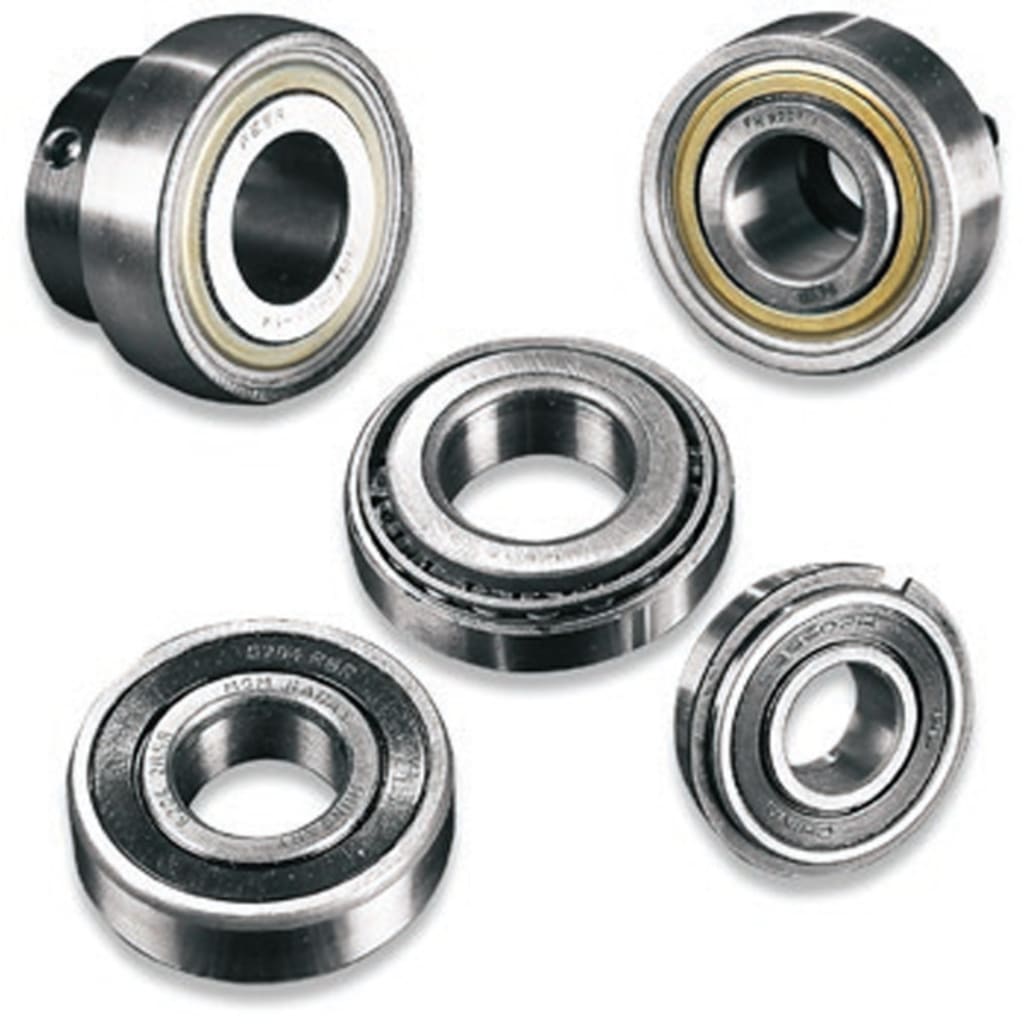
What Are Aircraft Bearing Parts?
Aircraft bearing parts are precision-engineered components that reduce friction and support movement between surfaces inside an aircraft.
In simple terms, they
- Allow parts to move smoothly
- Reduce friction between surfaces
- Support loads during operation
- Maintain alignment in mechanical systems
They don’t generate power but they ensure that power is used efficiently and safely.
Why Bearings Matter More Than You Think
Aircraft operate in conditions that push every component to its limits.
- High speeds.
- Constant vibration.
- Changing pressure and temperature.
Without proper bearing parts
- Friction increases rapidly
- Heat builds up
- Components wear out faster
- System failure risks grow
With high-quality bearings
- Motion remains smooth
- Stress is evenly distributed
- Systems last longer
- Reliability improves
From what I’ve seen, bearings are not just supporting parts they are stability points in motion-heavy systems.
Types of Aircraft Bearing Parts
Not all bearings are the same. Different systems require different solutions.
Common types include
Ball bearings
- Designed for high-speed, low-friction rotation
- Common in engines and rotating assemblies
- Handle heavier loads
- Used where strength is critical
- Manage forces along a single direction
- Essential in systems where axial loads occur
Roller bearings
Thrust bearings
Plain bearings
- Simpler design with sliding motion
- Used in less complex applications
Each type is chosen based on how and where movement happens.
Where Aircraft Bearing Parts Are Used
Once you start looking for them, you realize they’re everywhere.
Key areas include
Engine systems
- Supporting rotating shafts and components
Landing gear assemblies
- Handling heavy loads during takeoff and landing
Flight control systems
- Enabling smooth and precise movement
Gearboxes and transmissions
- Managing rotational energy
Auxiliary systems
- Supporting smaller but essential operations
From my perspective, if something moves in an aircraft there’s likely a bearing behind it.
What Makes Aerospace Bearings Different?
Aircraft bearing parts are built differently from standard industrial bearings.
Key characteristics include
- High strength with minimal weight
- Resistance to extreme temperatures
- Ability to perform under constant stress
- Precision manufacturing for exact fit
- Corrosion resistance for long-term durability
These are not just performance features they are requirements for survival in demanding environments.
The Importance of Precision
In aviation, precision is everything.
Why precision matters in bearing parts
- Prevents uneven wear
- Maintains alignment of components
- Reduces vibration
- Extends system life
Even a small mismatch can create larger issues over time.
From what I’ve seen, precision isn’t just about quality it’s about predictability.
Sourcing the Right Bearing Parts
Finding the right bearing part isn’t always simple.
Common challenges include
- Identifying exact specifications
- Avoiding similar-looking but incompatible parts
- Ensuring authenticity
- Managing large inventories
This is where platforms like Aircraft Bearing Parts come into play, helping teams identify and source the exact components they need without unnecessary delays.
From my perspective, sourcing is not just about availability it’s about accuracy.
Maintenance: The Key to Longevity
Even the best bearing parts need proper care.
- Essential maintenance practices
- Regular inspection for wear and damage
- Proper lubrication to reduce friction
- Monitoring performance over time
- Replacing components before failure
- Neglecting maintenance doesn’t just affect one part it affects the entire system.
From what I’ve seen, maintenance is what turns good engineering into long-term reliability.
The Human Side of Engineering
What stands out to me most is how much trust is placed in these small components.
- Pilots trust the aircraft.
- Engineers trust the systems.
- Passengers trust the outcome.
- And behind all of that are components like bearings quietly doing their job.
- From my perspective, aircraft bearing parts represent something deeper:
- Confidence in unseen systems.
The Future of Aircraft Bearing Parts
As aviation continues to evolve, so will bearing technology.
- Expected advancements include
- Stronger and lighter materials
- Reduced friction designs for better efficiency
- Smart bearings with built-in monitoring
- Improved resistance to extreme conditions
The goal remains the same: better performance with fewer compromises.
Final Thoughts
Aircraft bearing parts may not be visible, but they are essential to how aircraft function. They reduce friction, support loads, and ensure that every movement is smooth and controlled. From my perspective, they are a reminder that great engineering isn’t always about what you see it’s about what works quietly in the background. Because in aviation, success isn’t just about movement It’s about controlled, reliable, and efficient motion every single time.
The true test of engineering is not movement, but how smoothly and reliably that movement is sustained.
About the Creator
Beckett Dowhan
Where aviation standards meet real-world sourcing NSN components, FSG/FSC systems, and aerospace-grade fasteners explained clearly.
Enjoyed the story? Support the Creator.
Subscribe for free to receive all their stories in your feed.
Comments
There are no comments for this story
Be the first to respond and start the conversation.