
Airbus Fasteners Guide: Types and Uses
A Simple Breakdown of Aircraft Fasteners Used in Airbus for Strength, Safety, and Performance


Fasteners are among the most essential components used in aircraft construction and in Airbus aircraft, they play a critical role in ensuring structural integrity, safety and long-term performance. Although they may appear small and simple, fasteners are responsible for holding together thousands of parts that make up an aircraft. From the fuselage to the wings and internal systems, every section relies on properly selected and installed fasteners.
This guide explains the types of fasteners used in Airbus aircraft, their functions and why they are so important in aviation. The goal is to provide clear, practical knowledge in a way that is easy to understand for both beginners and professionals.
What Are Airbus Fasteners?
Airbus fasteners are specialized hardware components designed to join different parts of an aircraft securely. These fasteners are engineered to perform under extreme conditions such as high pressure, temperature changes, vibration and continuous mechanical stress.
Unlike standard fasteners used in everyday applications, Airbus fasteners must meet strict aviation standards. They are manufactured with high precision and tested for durability, strength and resistance to corrosion. Their reliability is essential because even a minor failure can impact the overall safety of the aircraft.
Types of Fasteners Used in Airbus Aircraft
Airbus aircraft use a variety of fasteners, each designed for specific applications. One of the most common types is bolts, which are widely used in structural areas where high strength is required. These bolts are typically paired with locking nuts to ensure they remain secure even under intense vibration during flight.
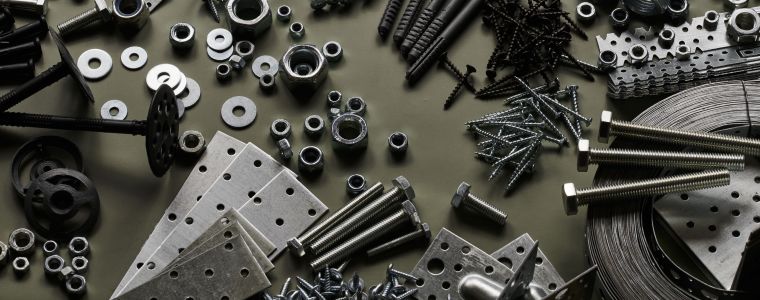
Rivets are another key type of fastener used extensively in Airbus aircraft. They are permanent fasteners, meaning once they are installed, they cannot be easily removed. Rivets are commonly used in the aircraft’s skin and fuselage, where they provide a smooth and secure finish while maintaining structural strength.
Screws are also used in many parts of the aircraft, especially in areas that require regular maintenance or inspection. Unlike rivets, screws can be removed and reinstalled, making them ideal for access panels and interior components.
Pins and specialized fasteners are used in control systems and moving parts. These allow for flexibility and movement while still keeping components securely connected. Each type of fastener serves a specific purpose and selecting the right one is critical for performance and safety.
Materials Used in Airbus Fasteners
The materials used in Airbus fasteners are carefully selected to balance strength and weight. Common materials include titanium, stainless steel, aluminum alloys and high-strength alloy steel. Titanium is particularly valued in aviation because it offers excellent strength while being lightweight and highly resistant to corrosion.
These materials ensure that fasteners can withstand harsh environmental conditions without degrading over time. In aviation, reducing weight is just as important as maintaining strength and this is why advanced materials are always preferred.
Uses of Fasteners in Airbus Aircraft
Fasteners are used throughout Airbus aircraft in both structural and non-structural applications. They are essential in connecting major components such as wings, fuselage sections, landing gear and engine mounts. In these areas, high-strength fasteners like bolts and rivets are used to handle heavy loads and stress.
In addition to structural use, fasteners are also found in interior sections of the aircraft, including panels, seating systems and cabin components. Here, screws and smaller fasteners are commonly used because they allow for easy removal during maintenance.
Fasteners are also critical in avionics and mechanical systems, where precision and reliability are required. Proper fastening ensures that all systems function correctly and remain stable during flight operations.
Why Quality and Certification Matter
In the aviation industry, quality is not optional. Every fastener used in Airbus aircraft must meet strict certification standards such as FAA and ISO requirements. These certifications ensure that the fasteners have been tested for safety, durability and performance.
Using certified components reduces the risk of failure and improves overall reliability. Trusted manufacturers, including companies like Parker Hannifin Airborne, contribute to the supply of high-quality aviation components that meet industry standards. This level of trust and compliance is essential in maintaining safety across all operations.
Final Thoughts
Airbus fasteners are small but highly critical components that play a major role in aircraft safety and performance. From bolts and rivets to screws and pins, each fastener type serves a unique purpose in holding the aircraft together and ensuring smooth operation.
Understanding the types and uses of these fasteners helps engineers, maintenance teams and buyers make informed decisions. In aviation, attention to detail is everything and choosing the right fasteners is a key part of building and maintaining reliable aircraft systems.
About the Creator
Beckett Dowhan
Where aviation standards meet real-world sourcing NSN components, FSG/FSC systems, and aerospace-grade fasteners explained clearly.
Enjoyed the story? Support the Creator.
Subscribe for free to receive all their stories in your feed.
Comments
There are no comments for this story
Be the first to respond and start the conversation.