
Your Car Already Knows It's Broken. Here's What Happens Next
How remote diagnostics are quietly turning every modern vehicle into a self-reporting machine.

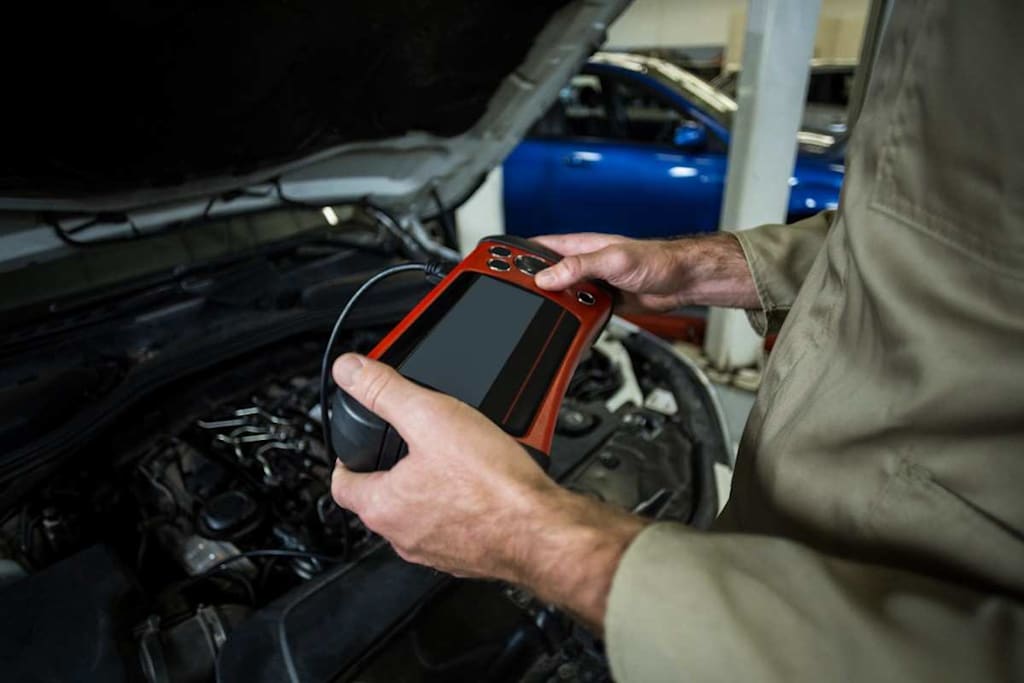
The Mechanic Who Never Touches Your Car
Somewhere outside Detroit, a fleet manager gets a notification on their phone: a delivery van's transmission fluid is degrading faster than expected, three weeks before any driver would have noticed a problem. The van keeps running. A service appointment gets scheduled automatically, and nobody ends up stranded on a highway shoulder. This isn't a futuristic scenario — it's standard practice today, and it's the reason the advanced vehicle diagnostics and remote services market has quietly become one of the more consequential corners of automotive technology.
A detailed breakdown of how this data gets collected, transmitted, and acted on is available in this freely accessible industry sample, which lays out the technical architecture behind systems like the one in the scenario above.
From Dashboard Lights to Predictive Intelligence
For most of automotive history, vehicle diagnostics meant a warning light and a guess. Something was wrong, a mechanic connected a scanner, and a problem eventually surfaced. That reactive model is being replaced by continuous, sensor-driven monitoring that flags issues before they become failures.
Modern vehicles generate enormous volumes of data from hundreds of onboard sensors tracking everything from tire pressure to battery health to engine performance. Telematics units transmit this data to cloud platforms where algorithms identify patterns associated with impending component failure. The shift from "check engine light" to "predicted failure in eleven days" represents a genuine change in how vehicle maintenance actually functions.
Fleet Operators Are Driving Early Adoption
While individual consumers are gradually gaining access to these capabilities through connected car apps, commercial fleet operators have been the earliest and most aggressive adopters. The economics are straightforward: unplanned downtime is expensive, and predictive maintenance reduces it directly.
Logistics companies running delivery fleets have integrated remote diagnostics platforms that monitor thousands of vehicles simultaneously, prioritizing maintenance based on real-time risk scoring instead of fixed mileage intervals. Multiple telematics providers serving the logistics sector report measurable reductions in roadside breakdowns as a result, alongside improved asset utilization across large fleets.
This dynamic — fleet management generating the clearest near-term return on investment within the broader advanced vehicle diagnostics and remote services market — is one of the more consistent findings across recent industry analysis, and it's accelerating enterprise adoption even as consumer applications continue to mature.
The Electric Vehicle Connection
Electric vehicles have become an unexpected accelerant for this market. Battery health is a critical concern for both manufacturers and owners, and remote diagnostic systems are essential for monitoring degradation patterns, charging behavior, and thermal management across a vehicle's lifespan.
Manufacturers use this data not just for individual vehicle service but for fleet-level insights that inform battery warranty decisions, software updates, and design changes in future models. Tesla's remote diagnostic and over-the-air update infrastructure remains the most visible example, but legacy automakers including Ford, GM, and Volkswagen have invested heavily in comparable systems as their EV lineups expand.
Where the Technology Goes From Here
The next phase of growth will likely center on deeper integration between diagnostics, insurance, and service ecosystems. Usage-based insurance already draws on vehicle data to price risk more accurately, and that same data infrastructure is increasingly informing dealership service scheduling, parts forecasting, and resale valuation.
Regulatory attention is increasing too, particularly around data ownership and privacy. Questions about who owns vehicle-generated data, and what consent frameworks should govern its use, are becoming more pressing as the volume collected continues to grow. How these questions get resolved will shape how aggressively manufacturers can monetize diagnostic data versus how much control stays with vehicle owners.
What's clear is that the vehicle of the future won't just transport people — it will continuously report on its own condition, often catching problems before a driver notices anything is wrong. That shift, already well underway, is reshaping maintenance, insurance, and ownership economics across the entire automotive industry.
About the Creator
Enjoyed the story? Support the Creator.
Subscribe for free to receive all their stories in your feed.
Comments
There are no comments for this story
Be the first to respond and start the conversation.