
Will France’s Foodservice Market Reach US$ 138.57 Billion by 2034 as Culinary Excellence and Modern Dining Trends Drive Growth?
France’s world-famous gastronomy, booming tourism sector, expanding food delivery services, and rising demand for convenience dining are fueling the growth of the country's foodservice industry.

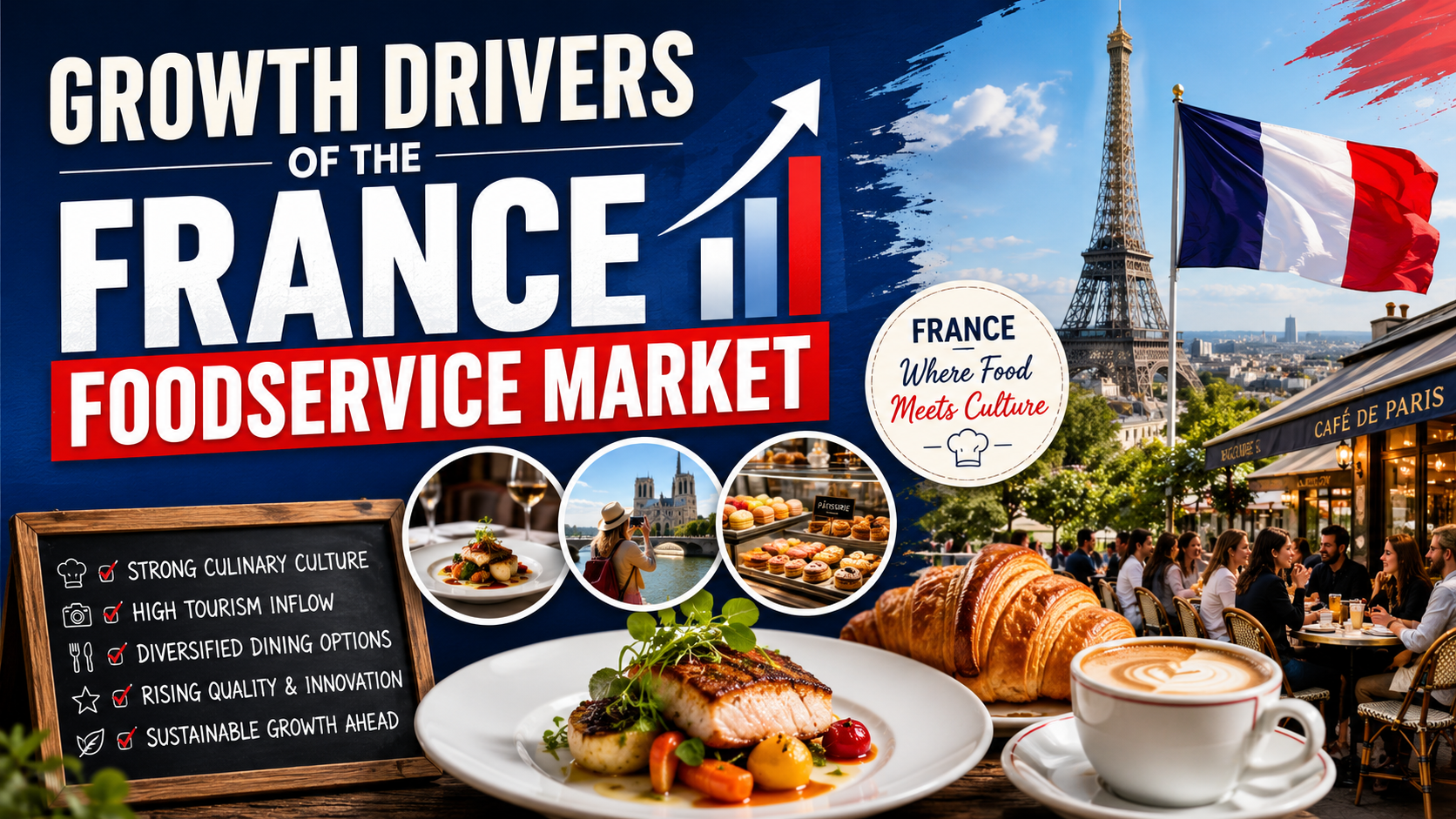
France has long been regarded as one of the world's leading culinary destinations. Renowned for its gastronomic heritage, Michelin-starred restaurants, artisan bakeries, café culture, and regional specialties, the country has built a global reputation around food and dining experiences. Today, the foodservice industry remains a vital pillar of the French economy, serving both domestic consumers and millions of international visitors each year.
The industry encompasses a broad range of establishments including restaurants, cafés, bakeries, hotels, catering businesses, fast-food chains, cloud kitchens, and institutional dining facilities. Beyond simply providing meals, foodservice venues play a significant role in French social life, culture, tourism, and business interactions.
As consumer lifestyles evolve, the industry is experiencing a transformation driven by digital technologies, food delivery platforms, convenience-oriented dining formats, and increasing demand for diverse international cuisines. At the same time, France continues to preserve its rich culinary traditions, creating a unique balance between heritage and innovation.
According to Renub Research, the France Foodservice Market is expected to grow from US$ 89.17 billion in 2025 to US$ 138.57 billion by 2034, expanding at a CAGR of 5.02% during 2026–2034. Strong tourism inflows, evolving dining preferences, convenience-focused food consumption, and continued innovation across restaurant formats are expected to support long-term market growth.
France's Culinary Heritage Remains a Powerful Growth Driver
France's foodservice industry is deeply rooted in one of the world's most celebrated culinary cultures.
French gastronomy is recognized internationally for its emphasis on quality ingredients, sophisticated preparation techniques, regional diversity, and exceptional dining experiences.
Restaurants, cafés, bistros, bakeries, and patisseries serve not only as places to eat but also as social gathering spaces where people connect, conduct business, and celebrate cultural traditions.
The country's culinary identity continues to attract both domestic diners and international visitors seeking authentic French food experiences.
From haute cuisine and Michelin-starred dining to traditional neighborhood cafés and artisan bakeries, French culinary culture generates consistent demand across all foodservice categories.
This enduring gastronomic reputation remains one of the strongest foundations supporting industry growth.
Global Recognition Strengthens France's Position
France continues to hold a unique position within the global food industry due to its influence on international culinary standards.
Many of the world's leading chefs, hospitality professionals, and culinary institutions draw inspiration from French cooking techniques and traditions.
The country's foodservice industry benefits from this global recognition by attracting culinary tourism, international restaurant investments, and premium dining experiences.
In June 2024, global hospitality leader Accor launched a major marketing campaign linked to the Paris 2024 Summer Olympics, further highlighting France's international tourism and hospitality appeal.
Such initiatives reinforce France's reputation as a premier destination for food lovers worldwide.
Tourism Generates Significant Foodservice Demand
Tourism remains one of the most important contributors to the French foodservice market.
France consistently ranks among the world's most visited countries, welcoming millions of international travelers each year.
Tourists contribute significantly to restaurant revenues, café sales, hotel dining services, bakery purchases, and food-related experiences.
Cities such as Paris, Lyon, Nice, Marseille, Bordeaux, and Strasbourg have become internationally recognized culinary destinations.
Visitors actively seek authentic French cuisine, regional specialties, gourmet experiences, wine tourism, and local food culture.
According to tourism data released in 2026, France welcomed approximately 102 million international visitors during 2025, reaffirming its position as the world's leading tourism destination.
This continuous flow of tourists creates strong year-round demand for foodservice operators.
International Visitors Expand Culinary Diversity
While traditional French cuisine remains dominant, international tourism has also encouraged menu diversification throughout the country.
Restaurants increasingly offer global cuisines including Italian, Asian, Middle Eastern, Latin American, and North American dishes.
Tourists often seek both authentic French dining experiences and familiar international options during their visits.
As a result, foodservice operators have expanded their offerings to accommodate a broader range of tastes and dietary preferences.
This multicultural approach has strengthened the overall competitiveness and resilience of the market.
Urbanization and Lifestyle Changes Drive Convenience Dining
Changing consumer lifestyles are reshaping dining habits across France.
Urban residents increasingly balance busy work schedules, family commitments, and social activities, creating demand for convenient meal solutions.
Consumers are increasingly turning toward quick-service restaurants, cafés, takeaway options, ready-to-eat meals, and food delivery services.
Convenience has become a key factor influencing food purchasing decisions.
At the same time, consumers continue to expect high-quality ingredients, nutritional value, and authentic flavors.
This combination of convenience and quality is encouraging innovation throughout the foodservice industry.
Food Delivery Platforms Transform Consumer Behavior
Digital food ordering has become one of the most influential developments within the French foodservice market.
Consumers increasingly use mobile applications and online platforms to order meals from restaurants, cafés, and specialized food providers.
Food delivery services offer convenience, flexibility, and access to a wider variety of dining options.
The rapid growth of online ordering has encouraged restaurants to optimize delivery operations and expand digital capabilities.
In March 2022, Gopuff expanded its European presence by strengthening operations in France, including cities such as Paris, Marseille, Lille, and Toulouse.
The continued expansion of digital ordering ecosystems is expected to remain a major growth driver.
Cloud Kitchens Create New Opportunities
Cloud kitchens are emerging as an increasingly important segment within France's foodservice landscape.
These delivery-focused facilities operate without traditional dining areas and are designed specifically to fulfill online orders.
Cloud kitchens allow operators to reduce real estate expenses while reaching larger customer bases through digital channels.
The model offers flexibility, scalability, and lower operational costs compared with conventional restaurant formats.
As food delivery demand continues growing, cloud kitchens are expected to play a larger role in shaping the future of the French foodservice market.
Fast Food and Quick-Service Restaurants Gain Popularity
Quick-service restaurants (QSRs) continue expanding throughout France.
Consumers appreciate the affordability, speed, convenience, and consistency offered by QSR brands.
International fast-food chains coexist alongside domestic operators that increasingly focus on premium ingredients and localized menu innovations.
The segment has evolved significantly beyond traditional fast food by incorporating healthier ingredients, sustainable sourcing practices, and customized menu options.
As urbanization continues and younger consumers prioritize convenience, the QSR segment is expected to maintain strong growth momentum.
Burger Segment Continues Strong Expansion
The burger category has become one of the fastest-growing areas within the French foodservice market.
French consumers increasingly embrace burgers due to their convenience, versatility, and wide range of customization options.
International fast-food brands continue to dominate a large share of the market, while gourmet burger concepts attract consumers seeking premium dining experiences.
Operators increasingly offer organic ingredients, artisan buns, specialty sauces, and locally sourced products.
Health-conscious consumers are also driving demand for vegetarian, vegan, and plant-based burger alternatives.
These innovations continue strengthening the segment's appeal.
Pizza Remains a Leading Foodservice Category
Pizza remains one of the most popular foodservice products throughout France.
Its affordability, convenience, and universal appeal make it attractive across all age groups.
International pizza chains maintain strong market positions, while independent pizzerias and gourmet operators differentiate themselves through premium ingredients and artisanal preparation methods.
Consumers increasingly seek healthier alternatives such as gluten-free crusts, vegetarian toppings, and low-calorie options.
The growth of online ordering and delivery platforms has further strengthened pizza sales across the country.
Chained Outlets Strengthen Market Presence
Chained foodservice outlets continue gaining market share throughout France.
Consumers often associate established brands with consistency, quality assurance, food safety, and reliable customer experiences.
The segment includes international fast-food operators, coffee chains, café brands, casual dining concepts, and franchise networks.
Franchising remains an effective expansion strategy, enabling brands to grow rapidly while maintaining operational standards.
Digital loyalty programs, mobile applications, and customer engagement technologies further enhance competitiveness.
As consumer expectations evolve, chain operators continue investing heavily in innovation and customer experience.
Foodservice Retail Gains Momentum
Foodservice retail has emerged as an increasingly important component of the French foodservice market.
Consumers are purchasing more ready-to-eat meals, fresh sandwiches, bakery products, salads, and prepared foods from supermarkets and specialty retailers.
Retailers increasingly collaborate with foodservice operators to offer high-quality meal solutions that combine convenience with freshness.
Advances in packaging technology, refrigeration systems, and cold chain logistics have significantly improved product quality and shelf life.
As demand for convenience grows, foodservice retail is expected to remain an important growth segment.
Paris Remains the Heart of French Foodservice
Paris represents the largest and most influential foodservice market in France.
The city is internationally recognized for its extraordinary culinary diversity, luxury dining establishments, café culture, and hospitality industry.
Tourism plays a central role in driving demand across restaurants, bakeries, hotels, and cafés.
The city's reputation as a culinary capital continues attracting chefs, investors, hospitality brands, and food enthusiasts from around the world.
Innovation and tradition coexist in Paris, making it a critical driver of national foodservice trends.
Lyon Strengthens Its Gastronomic Leadership
Lyon is widely regarded as the gastronomic capital of France.
The city is known for its traditional bouchons, regional specialties, culinary schools, and vibrant restaurant culture.
Lyon's foodservice industry combines heritage cooking techniques with modern culinary innovation.
Local restaurants emphasize seasonal ingredients, regional products, and authentic dining experiences.
At the same time, food delivery platforms and contemporary dining formats continue gaining popularity among younger consumers.
Marseille Benefits from Cultural Diversity
Marseille's foodservice industry reflects its unique Mediterranean location and multicultural population.
The city's restaurants feature a blend of French, Mediterranean, North African, and international influences.
Seafood remains particularly important within the local culinary landscape.
The port city's tourism activity and diverse demographic profile contribute significantly to foodservice demand.
Modern dining concepts, delivery services, and casual eateries continue expanding throughout the region.
Nantes Emerges as a Growing Market
Nantes is experiencing steady foodservice growth supported by urban development, population increases, and tourism activity.
The city has developed a reputation for innovation, sustainability, and creative culinary concepts.
Demand from students, young professionals, and environmentally conscious consumers supports growth across multiple foodservice categories.
Restaurants increasingly emphasize locally sourced ingredients and sustainable operating practices.
Nantes is becoming an increasingly important contributor to France's broader foodservice market.
High Labor Costs Create Operational Challenges
Despite strong growth opportunities, the French foodservice industry faces several challenges.
One of the most significant issues is the high cost of labor.
France maintains robust labor protections, minimum wage requirements, social security contributions, and employment regulations.
While these policies support worker welfare, they also increase operational expenses for foodservice businesses.
Managing labor costs while maintaining profitability remains an ongoing challenge for operators.
Rising Operating Expenses Pressure Profitability
Foodservice companies also face increasing costs related to rent, utilities, food ingredients, logistics, and supply chain management.
Prime locations in major cities such as Paris command exceptionally high rental rates.
Inflationary pressures and global supply chain disruptions have further increased food costs.
Operators must continuously adapt pricing strategies and operational efficiencies to remain competitive.
The highly fragmented nature of the market intensifies competitive pressure across all segments.
Final Thoughts
France's foodservice market continues to thrive on the foundation of its world-renowned culinary heritage, strong tourism industry, and evolving consumer preferences.
The industry is successfully balancing traditional gastronomy with modern dining trends, digital transformation, convenience-oriented consumption, and international culinary influences.
While challenges such as labor costs, operational expenses, and intense competition remain significant, continued innovation and strong consumer demand are creating attractive growth opportunities.
With the market projected to expand from US$ 89.17 billion in 2025 to US$ 138.57 billion by 2034, France's foodservice industry is well positioned to remain one of the world's most influential and dynamic dining markets for years to come.
About the Creator
Enjoyed the story? Support the Creator.
Subscribe for free to receive all their stories in your feed.
Comments
There are no comments for this story
Be the first to respond and start the conversation.