
Why Traditional Home Gyms Fall Short Against AI Fitness Machines
Lifestyle
You buy the dumbbells, set up a squat rack, and clear space in the garage. For a few weeks, motivation is high. Then progress slows. You start second-guessing your form, your routine, and whether any of it is actually working.
That experience isn’t unusual. Many home gym users invest time and money into equipment that ultimately offers little guidance. The issue isn’t effort, it’s the lack of feedback and structure.
Fitness is starting to shift in response. AI-powered training systems are moving beyond professional facilities and into everyday homes, offering a more responsive and personalized approach. Instead of relying solely on static equipment, people are beginning to use systems that adapt to how they train in real time.
The Limits of Traditional Home Gyms
Most home gym setups follow a familiar formula: free weights, a bench, and maybe a cable machine. While effective in principle, these tools haven’t changed much in decades. They don’t adapt, guide, or respond, they simply exist.
That creates a gap. A barbell can’t tell if your form is off. Resistance bands don’t adjust when one side of your body is compensating for another. Without feedback, users are left to rely on guesswork or external resources, which often leads to stalled progress or even injury.
Progression is another challenge. Increasing intensity safely requires careful adjustments over time. Without coaching or structured programming, it’s easy to push too little, or too much.
Just as importantly, traditional setups don’t provide meaningful insight into performance. There’s no built-in way to track movement quality, balance, or consistency. Over time, that lack of visibility can make training feel repetitive and unproductive.
A Shift Toward Smarter Training
Newer systems take a different approach. Instead of treating equipment as passive tools, they integrate software and sensors to create a more interactive experience.
An all-in-one home gym machine, for example, combines resistance training with real-time feedback and adaptive programming. Rather than following a static routine, users work within a system that adjusts based on performance, recovery, and consistency.
This shift isn’t just about convenience, it changes how people train. Instead of wondering whether a workout was effective, users receive immediate input on form, effort, and progression. Over time, that feedback loop helps build more efficient and sustainable habits.
What Makes AI Fitness Systems Different
The biggest advantage of AI-driven training is personalization. These systems analyze multiple variables, movement patterns, output, fatigue, and more, to tailor workouts to the individual.
For instance, if performance drops during a session, the system may reduce resistance or adjust tempo. If strength improves consistently, it can increase intensity automatically. These adjustments happen without the need for manual tracking or planning.
Real-time feedback also plays a key role. Instead of reviewing performance after the fact, users can correct form and technique during the exercise itself. That immediate guidance helps reduce errors and improve results over time.
Understanding Multi-Dimensional Training Feedback
Some advanced systems go further by analyzing several aspects of movement simultaneously. This can include:
- Force output
- Speed and control
- Range of motion
- Left/right balance
- Timing and rhythm
- Signs of fatigue
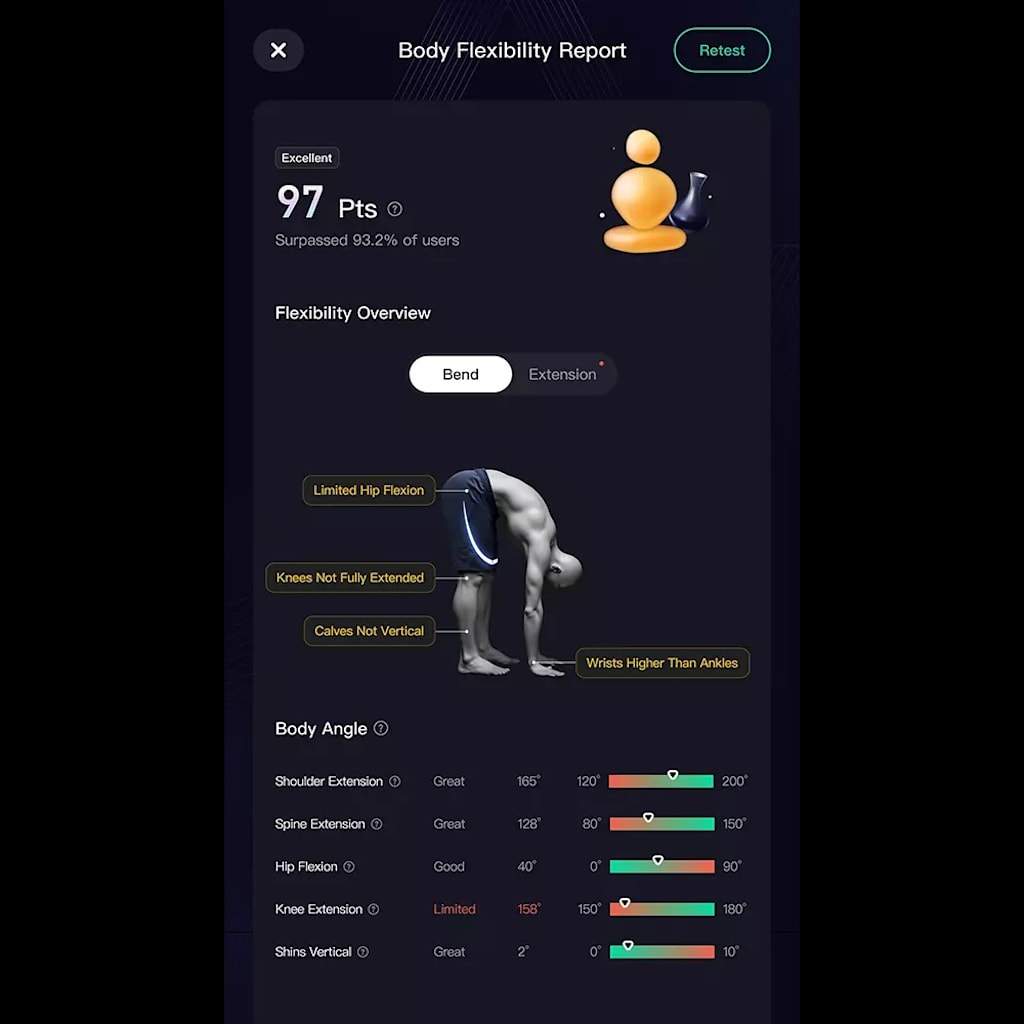
Together, these metrics provide a more complete picture of how the body is performing. Small imbalances or inconsistencies—often missed in traditional training, can be identified and corrected early.
That level of detail doesn’t just improve performance; it also helps reduce the risk of injury by catching issues before they become habits.
The Role of Data in Everyday Workouts
Data is only useful if it leads to action. Modern fitness systems focus on translating performance metrics into clear, practical insights.
Instead of raw numbers, users see trends: whether strength is improving, where imbalances exist, and how recovery affects performance. Over time, this creates a more structured training experience.
Goal-setting becomes more specific as well. Rather than aiming to “get stronger,” users can track measurable improvements in output, endurance, or symmetry. That clarity makes it easier to stay consistent and motivated.
Adapting to a Smarter Routine
Switching to an AI-based system doesn’t require a complete overhaul of your habits, but it does involve a shift in approach.
Getting started typically includes an initial assessment to establish a baseline. From there, the system builds a program that evolves with your progress.
Consistency matters, but so does engagement. Reviewing feedback after each session, even briefly, helps reinforce what’s working and what needs adjustment. Over time, that interaction becomes part of the training process itself.
Where Home Fitness Is Headed
Traditional home gyms still have value, but they rely heavily on the user to provide structure and insight. For many people, that’s where the difficulty lies.
AI-powered systems aim to close that gap. By combining equipment with feedback, analysis, and adaptive programming, they create a more guided and responsive environment.
The result isn’t just better workouts, it’s a more informed way to train. As these tools continue to evolve, the line between home fitness and professional coaching is becoming less distinct.
For anyone struggling with consistency or progress, that shift may be the most important change of all.
About the Creator
Enjoyed the story? Support the Creator.
Subscribe for free to receive all their stories in your feed.
Comments
There are no comments for this story
Be the first to respond and start the conversation.