
Why the US Food Service Market Is Growing With Convenience and Digital Dining Trends
The US food service market is expanding as changing lifestyles, online delivery, and demand for convenient dining reshape how Americans consume food.

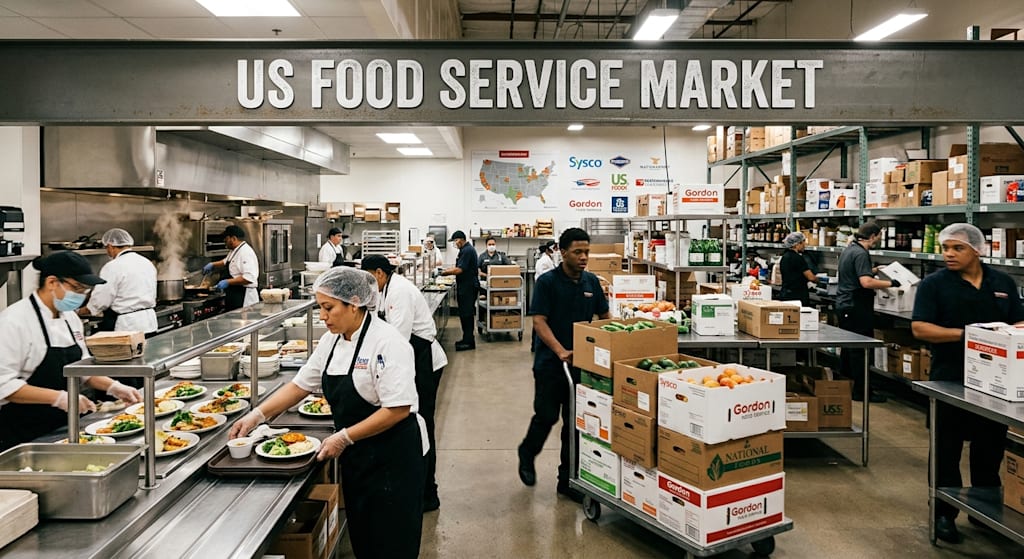
Americans' eating habits have become less customary over the past decade‚ with people eating in non-customary food environments such as quick service restaurants‚ cloud kitchens‚ food delivery applications‚ and on-the-go․ This trend is helping to make food service one of the fastest-growing segments of the United States economy․
According to IMARC Group‚ the US food service market size reached USD 1,610.1 Billion in 2025 and is projected to reach USD 2,703.6 Billion by 2034, exhibiting a CAGR of 5.93% during the forecast period 2026-2034.
The main driver of this growth is the increased demand for convenience food․ With busy lifestyles‚ long working hours‚ and the trend toward urbanization‚ more people are looking for ready-to-eat meals outside their homes․ The IMARC Group states that busy lifestyles and changing dietary habits have led to a rise in the number of consumers opting for food from restaurants‚ cafes‚ or takeaways․
Another major factor propelling this market is the rapid growth of quick service restaurants (QSR) and casual dining formats․ The convenience of service‚ price‚ and standardized level of service quality and product delivery have drawn customers to new food service spaces‚ which have also become social spaces where customers meet‚ work‚ and relax․
Digital transformation is now at the heart of the industry‚ with online food delivery services‚ mobile applications and digital ordering systems making food available and accessible as never before․ According to a report by IMARC‚ the US online food delivery market was valued at USD 34․9 billion in 2025‚ thus becoming an important extension of the food service value chain․
Other types of technology‚ including digital menu concepts‚ automated kitchens‚ and artificial intelligence (AI)‚ are being used in the restaurant industry to improve efficiencies by keeping up with demands for faster service times‚ more accurate ordering‚ and simpler management of demands such as inventory and employees․
Another trend is a growing focus on healthy and diverse food options․ Consumers are becoming more aware of organic‚ plant-based‚ low-calorie and allergen-free options‚ among a range of other options․ This has led some food-service providers to seek to expand their menus to include vegan or gluten-free options‚ for example․
The growth is also attributed to an increase in the disposable income and the amount of disposable income available to dual-income households․ So‚ more people have money to spend on eating out‚ gourmet food and food delivery services․ A greater proportion of working women means less time available to prepare food for the family‚ and thus there is a greater reliance on food service outlets․
The food service industry in the country is composed of commercial and non-commercial segments․ Commercial food service includes restaurants‚ cafes‚ catering and fast-food outlets․ Non-commercial food service covers schools‚ hospitals‚ corporate cafeterias and institutional or contract feeding․ Commercial food service is the largest segment due to demand for out-of-home and take-out food․ Non-commercial food service is also growing steadily․
The most interesting thing about the US food service market is how sensitive it is to new trends․ With the introduction of delivery applications‚ the rise of new fast casual concepts‚ or the emergence of more nutritional menu items‚ the US food service market is constantly adapting to new trends․
Trends in digital technology‚ consumer preferences and expanding food delivery networks will present future opportunities․ As demand for convenience and experience in food consumption grows‚ the food service market in the United States is likely to remain one of the most dynamic and resilient segments of the economy for many years․
About the Creator
michael matthew
I’m a market researcher passionate about understanding people, markets, and motivations. My work blends data analysis, consumer psychology, and strategic insight to help brands and businesses make informed, human-centered decisions.
Enjoyed the story? Support the Creator.
Subscribe for free to receive all their stories in your feed.
Comments
There are no comments for this story
Be the first to respond and start the conversation.