
Why the United States Silk Market Is Growing With Luxury and Sustainable Trends
The United States silk market is expanding as demand for premium textiles, sustainable materials, and innovative applications in cosmetics and healthcare continues to rise.

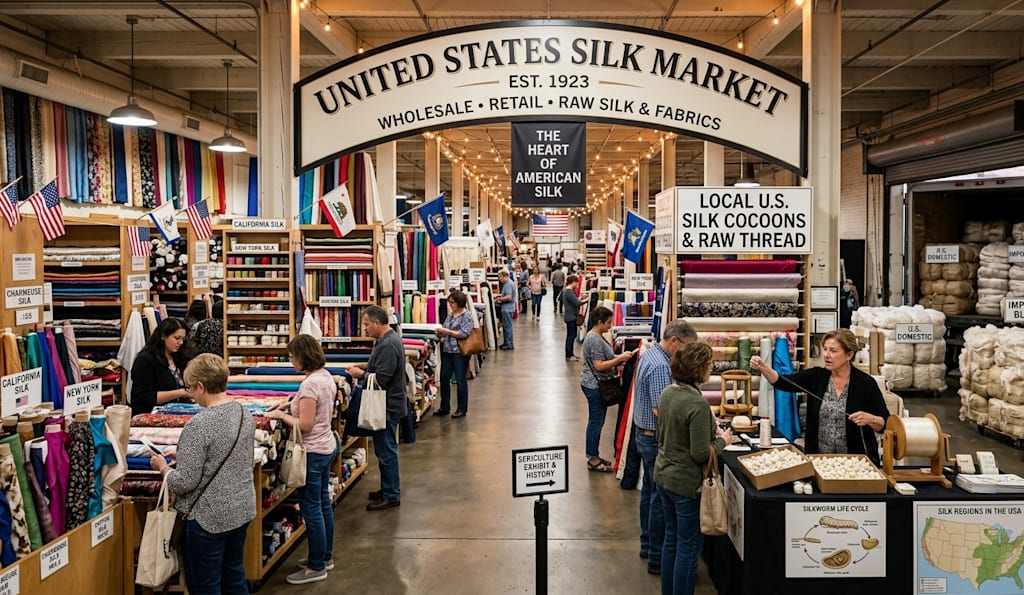
Silk, while traditionally known as a material of luxury, style, and superior craftsmanship, is increasingly becoming a multi-industry material in the United States, with uses extending well beyond the world of fashion. Ranging from high-end fabrics to beauty products and even cutting-edge medical research, silk is making a comeback and gaining prominence as a versatile and eco-friendly natural fiber.
As reported by IMARC Group, the market size for silk in the U.S. Was estimated at $5,225.5 million in 2025, and it's anticipated to reach $8,509.0 million by 2034, with a compound annual growth rate of 5.57% in 2026–2034.
Key factors fueling this growth include the escalating demand for luxury and premium textiles. Consumers across the U.S. Are exhibiting a distinct inclination towards high-quality, natural fabrics that provide not only comfort but also longevity and aesthetic appeal. The smooth texture, breathability, and thermoregulation qualities of silk make it an ideal choice for luxurious clothing and furnishings.
Another significant driver shaping the market is the heightened emphasis on sustainability and environmentally conscious materials. With consumers becoming more environmentally aware, natural fibers like silk-which are biodegradable and renewable-are being favored over synthetic alternatives. This trend is aligned with the growing movement toward sustainable fashion and ethical consumption practices.
The market is also benefiting from ongoing technological advancements in sericulture (silk farming) and textile manufacturing. Innovative production techniques are enhancing the quality and yield of silk while simultaneously reducing costs, thus making silk products more accessible to a broader spectrum of consumers.
A critical trend shaping the market is the diversification of silk's applications beyond traditional textiles. The cosmetic industry is increasingly embracing silk, with silk proteins being valued for their moisturizing, anti-aging, and skin-rejuvenating properties. This has led to the inclusion of silk in various skincare products such as creams, serums, and makeup.
Furthermore, the medical sector is emerging as a promising area for silk applications. Its biocompatibility, strength, and flexibility make it suitable for surgical sutures, tissue engineering, and advanced biomedical research, with ongoing innovations continually expanding its role in healthcare.
In terms of market segmentation, key types of silk include mulberry silk, tussar silk, eri silk, and others, with mulberry silk being the most prevalent due to its superior quality and durability.
By application, the market is categorized into textiles, cosmetics, and medical uses, with textiles being the leading segment due to robust demand from the fashion and home furnishings industries.
Geographically, the market is segmented across the Northeast, Midwest, South, and West, with significant demand emanating from urban areas where consumer spending on premium and luxury goods tends to be higher.
Another significant trend observed is the impact of fashion innovation and designer collaborations on the market. Leading fashion houses and designers are actively experimenting with silk to develop novel textures, blends, and sustainable fashion collections, further stimulating market demand.
However, the market also faces certain challenges, such as high production costs and a significant reliance on imports, as the U.S. Depends heavily on international sources for raw silk. Fluctuations in price and disruptions in the supply chain can pose challenges to market stability.
The dynamism of the U.S. Silk market lies in the synergy between its rich tradition and the wave of innovation it's currently experiencing. While silk remains a symbol of luxury, its evolving role in contemporary industries is fundamentally reshaping its market potential.
In the future, the market is expected to gain further momentum from the increasing demand for sustainable materials, technological advancements in production, greater adoption in the cosmetic and medical fields, and the persistent consumer preference for premium products. As innovation continues to unlock new possibilities, silk is poised to maintain its position as a valuable and versatile material in the evolving U.S. Market landscape.
About the Creator
michael matthew
I’m a market researcher passionate about understanding people, markets, and motivations. My work blends data analysis, consumer psychology, and strategic insight to help brands and businesses make informed, human-centered decisions.
Enjoyed the story? Support the Creator.
Subscribe for free to receive all their stories in your feed.
Comments
There are no comments for this story
Be the first to respond and start the conversation.