
Why the United States Menswear Market Is Growing With Athleisure and Sustainable Fashion Trends
The United States menswear market is evolving as consumers shift toward comfort, personalization, and sustainable fashion choices.

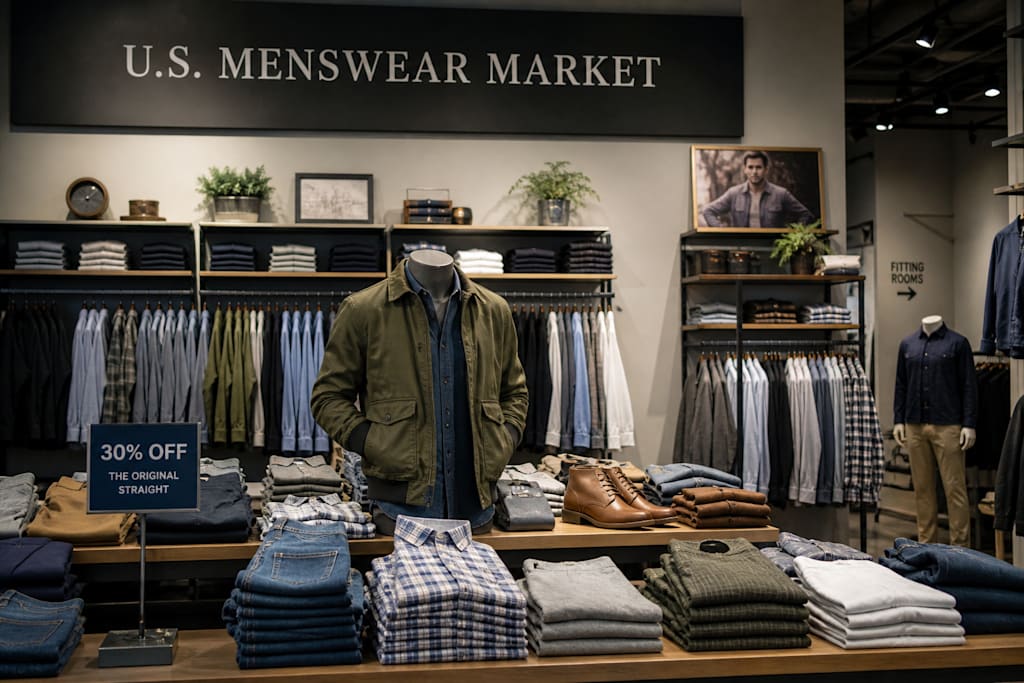
The men's fashion in the US has been changing. Historically a market driven by formalwear and more classic trends, it is currently becoming more consumer focused on comfort, versatility and individuality. From athleisure to sustainability, shifts in consumer tastes and preferences have continued to reform the market in terms of design, marketing and sale.
In 2025, United States menswear market was valued at USD 154.5 billion and the value is projected to increase to USD 192.4 billion by 2034, growing at a CAGR of 2.40% during 2026-2034 (IMARC Group).
Consumer demand for comfortable and athleisure clothing is a key trend. The desire for comfortable attire has led to increasing consumer interest in athleisure and more casual wear. Changing consumer preferences have had a great impact on demand due to the increasing development of hybrid working models, casual routines and relaxed lifestyles. The fusion of sportswear and fashionable casualwear, 'athleisure', is also popular for its wear ability on many occasions and activities.
A trend gaining popularity among the fashion segment of men's market is that of sustainable and eco-friendly fashion. Consumers have developed an awareness regarding social and environmental responsibility. The shift to conscious consumerism will continue to impact demand, so brands with transparent supply chains, recycled or renewable materials used and environmental-friendly practices are gaining popularity.
There is an emerging need to purchase tailor-made clothing that reflects one's personal style. Personalized designs and clothing manufactured based on an individual's requirements are also part of a major trend. Advanced digital tools and enhanced e-commerce services offer more individualized shopping experiences to users by using AI and tailored recommendations to aid purchase decisions, offering made-to-order clothing or customized fits.
The market is highly influenced by 'streetwear' as a category. A style that evolved from the youth culture of the 90s; streetwear inspired by hip hop music and the lifestyle that it represented became one of the popular fashion segments for men. Hoodies, graphic tees and sneakers are now worn even with semi-formal outfits.
Increasing dominance of e-commerce is influencing market sale. Men increasingly tend to shop online for greater variety in style, product comparison, convenience, competitive prices and the ability to access different brands. Investing in virtual fitting solutions, AI powered recommendations and omnichannel strategies are helping brands retain and expand their market reach.
From a market segmentation standpoint, trousers, denims, shirts & T-shirts and others comprise product segments of the market. Shirts and T-shirts account for a considerable share in the market, owing to their versatility. Denims, a quintessential element for a casual wardrobe, are also a considerable segment in the market. Seasonality plays a role and the summer wear, winter wear and all-season wear categories form segments. With consumers increasingly looking for cost effective, time saving, and versatile products, all-season wear accounts for a large segment.
Supermarkets, exclusive brand outlets, multi-brand outlets and e-commerce platforms are various distribution channels within the men's market of the US. This demonstrates the growing significance of both physical and digital sales platforms in the US menswear market. Regionally, demand for men's apparel spans across Northeast, Midwest, South and West regions, each with its own nuances influenced by factors like weather patterns and consumer lifestyles.
Another growing trend in men's wear is to offer more inclusive and practical fashion. Brands are expanding their size range and focusing on gender-neutral styles along with adding more performance fabrics (moisture wicking, crease resistant etc.). This is addressing needs that were not met historically by most of the market, which would then contribute to increase in market value due to the growing number of the potential consumers being addressed.
The U.S. Men's wear market is unique for balancing tradition and innovation. Though classic style will always maintain a certain appeal, elements such as athleisure, customization, and the drive for sustainability will play a major role.
The U.S. Men's wear market is expected to experience further growth on the back of digitalization, shifting fashion trends and demand for both practical and versatile clothing. Brands that invest in comfort, innovation and sustainability are expected to remain competitive in the U.S. Fashion market as consumer needs continue to evolve.
About the Creator
michael matthew
I’m a market researcher passionate about understanding people, markets, and motivations. My work blends data analysis, consumer psychology, and strategic insight to help brands and businesses make informed, human-centered decisions.
Enjoyed the story? Support the Creator.
Subscribe for free to receive all their stories in your feed.
Comments
There are no comments for this story
Be the first to respond and start the conversation.