
Why the United States Medical Imaging Market Is Growing With AI and Advanced Diagnostics
The United States medical imaging market is expanding as AI, chronic disease detection, and advanced diagnostic technologies drive healthcare innovation.

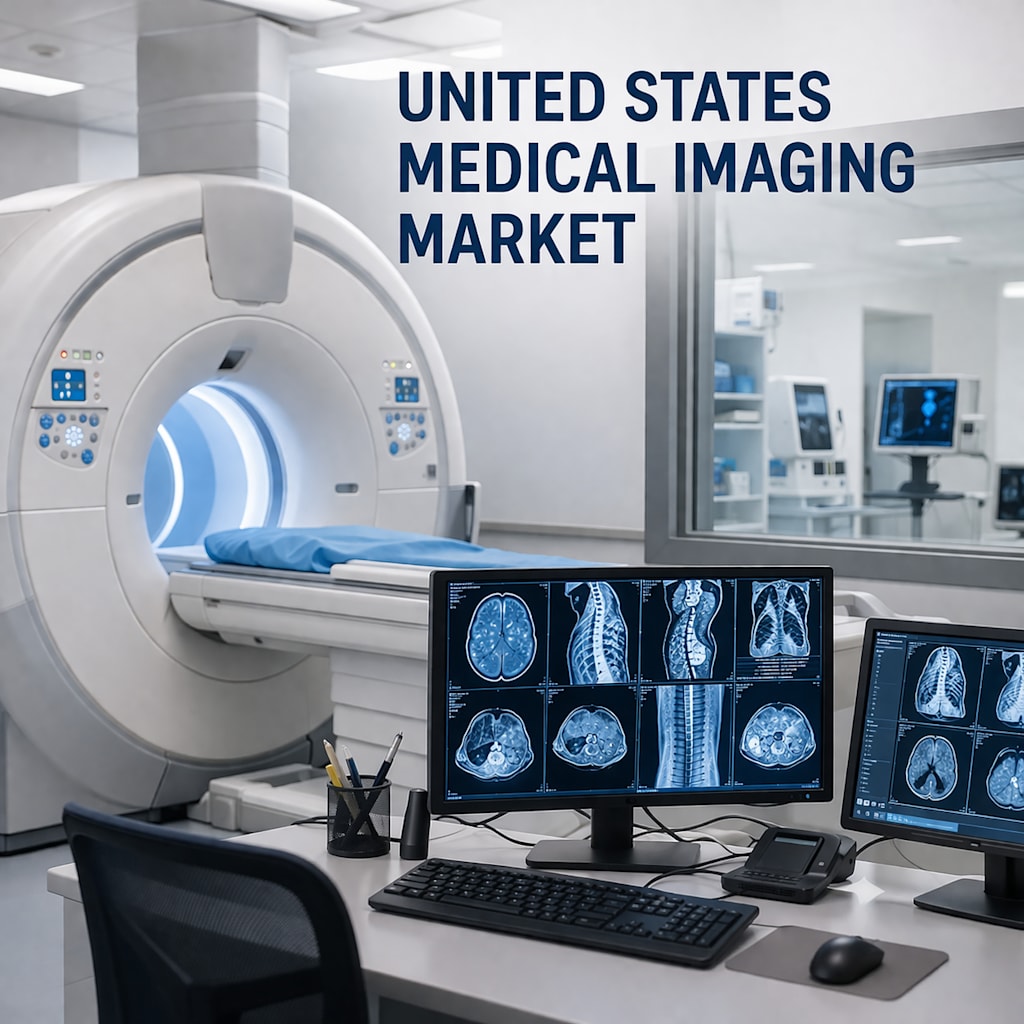
The healthcare industry in the United States is undergoing a period of immense change, and medical imaging is at the forefront of it. From the early detection of diseases to monitoring treatment processes in real time, imaging technologies such as MRI, CT scans, and ultrasound have become essential in modern healthcare. With growing healthcare demand and rapid technological progress, the U.S. Medical imaging market is experiencing sustained, consistent growth.
According to IMARC Group, the U.S. Medical imaging market was valued at $10.7 billion in 2025 and is predicted to reach $13.8 billion by 2034, with a CAGR of 2.78% from 2026-2034.
One of the main factors that is contributing to the growth is the increasing burden of chronic diseases like cardiovascular disorders, cancer, and diabetes. These diseases require ongoing observation and accurate detection, driving the demand for sophisticated imaging equipment. Medical imaging plays a vital role in the early detection of diseases, thus improving treatment outcomes and reducing healthcare costs in the long term.
Another significant aspect of the market is rapid technological innovation. Imaging modalities such as MRI, CT, and ultrasound have become highly accurate, faster and more non-invasive. The use of artificial intelligence (AI) and machine learning is further enhancing the precision of diagnoses by helping radiologists detect irregularities in images and streamlining the workflow.
Government support and positive healthcare policies are also adding to the market's growth. Investment programs, enhanced reimbursement plans and smooth regulatory approvals are encouraging healthcare facilities to invest in advanced imaging equipment. These measures are increasing the availability of sophisticated diagnostic services throughout the country.
An emerging trend in the market is the increasing adoption of AI-powered imaging solutions. This technology enables automated analysis of medical images and minimizes human error in radiology departments while boosting efficiency. AI is proving beneficial in detecting conditions like tumors and neurological disorders, thereby marking a significant shift in modern healthcare.
There is also a growing demand for mobile and tele-imaging services. The availability of diagnostic services in rural and underprivileged regions is increasing as healthcare providers are extending their reach with the help of mobile imaging units and telemedicine facilities. This trend is bridging the healthcare accessibility gap and enhancing patient outcomes across the nation.
The market can be segmented into various product types such as CT scanners, X-ray imaging systems, MRI systems, ultrasound imaging systems, nuclear imaging systems, and mammography systems. Of these, MRI and CT technologies have found widespread application due to their high accuracy and the ability to diagnose complex conditions.
On the application front, the market can be divided into various categories including cardiovascular and thoracic imaging, neuro and spine imaging, orthopedics, obstetrics and gynecology, breast health and general imaging. Applications for cardiovascular disorders and cancer diagnosis stand out due to the high prevalence of these diseases in the U.S. Population.
Regarding end users, the market is classified into hospitals, diagnostic imaging centers, and academic and research institutions. While hospitals have a dominant share owing to advanced infrastructure and patient flow, diagnostic imaging centers are experiencing robust growth as the demand for specialized imaging services rises.
From a geographical perspective, the market is spread across the Northeast, Midwest, South, and West of the United States, with urban centers showing higher adoption rates due to improved healthcare infrastructure and greater patient awareness. On the other hand, a growing emphasis on mobile imaging services in rural areas is being observed.
The rise of precision medicine and personalized healthcare is another important trend within the market. Advanced imaging techniques are now allowing for customized treatment plans as they provide detailed patient-specific information on medical conditions. This is particularly significant in treating cancer and neurological conditions, where accurate diagnosis is essential for effective treatment.
However, the market also faces certain restraints such as the high cost of sophisticated imaging equipment and procedures. This can affect the adoption rate in smaller healthcare facilities. Despite these issues, continuous innovation and cost-reduction initiatives are expected to bring about increased affordability in the future.
The high rate of technological adoption coupled with significant healthcare demand are the key factors that makes the U.S. Medical imaging market so robust. With an aging population and a surge in chronic diseases, the demand for advanced diagnostic solutions will only continue to grow.
Looking ahead, the U.S. Medical imaging market is poised for further growth driven by the increasing use of AI, expansion of healthcare infrastructure, growing emphasis on early diagnosis and ongoing innovations in imaging technology. As healthcare delivery becomes more patient-centric and data-driven, medical imaging is expected to remain a critical component of modern healthcare in the United States.
United States medical imaging market growth, technologies, and outlook
About the Creator
michael matthew
I’m a market researcher passionate about understanding people, markets, and motivations. My work blends data analysis, consumer psychology, and strategic insight to help brands and businesses make informed, human-centered decisions.
Enjoyed the story? Support the Creator.
Subscribe for free to receive all their stories in your feed.
Comments
There are no comments for this story
Be the first to respond and start the conversation.