
Why the United States Frozen Fruits and Vegetables Market Is Growing in 2026
Rising health awareness, increasing demand for convenient foods, growth in home cooking, and expanding e-commerce grocery channels are driving strong growth in the United States frozen fruits and vegetables market.

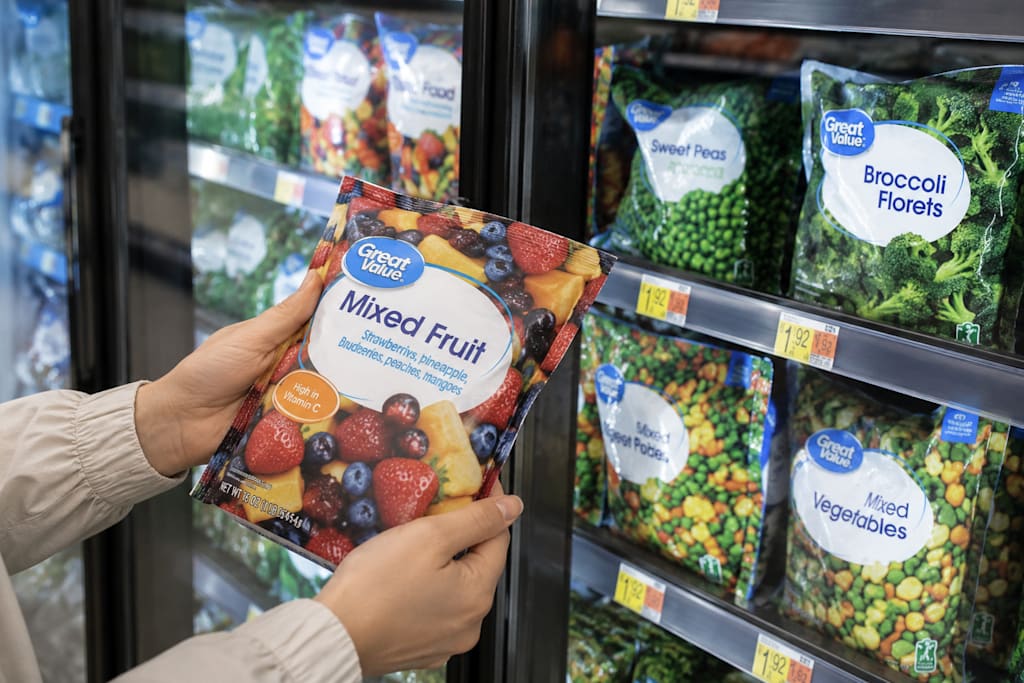
Consumers seek convenience, good nutrition and longevity in their food, driving robust sales in frozen food in the U.S. Increasingly health-aware consumers as well as consumers with demanding schedules and sophisticated food preserving technologies is now fueling growing sales for frozen fruits and vegetables in homes and in the commercial food world. The US frozen fruits and vegetable market is anticipated to be worth USD 7,604 Million in 2025 and reach USD 9,100.6 Million by 2034 at a CAGR of 2.0% from 2026 to 2034.
What Are Frozen Fruits and Vegetables?
Frozen fruits and vegetables are food items that have been frozen very soon after harvest in order to conserve shelf life and taste. Examples include:
- Frozen berries
- Frozen tropical fruits and mangoes
- Peas and corn
- Frozen broccolis and Cauliflower
- Mixed vegetables
- Frozen Leafy Greens (spinach and Kale). Such products offer convenience as well as year-round product availability to consumers without necessarily compromising a great deal on nutritional quality.
Busy Lifestyles Is What Is Spurring Demand for Convenient Foods One of the greatest growth drivers in this sector is the demand that has been driven for convenience food in the American consumer lifestyle.
From work life to home life to personal leisure time – American citizens want things ready to eat or cook with the minimum of fuss. Frozen fruits and vegetables are a prime example because:
- Minimal food preparation is required.
- Reduced amount of food waste occurs.
- Food can be easily stored.
- They generally have a longer shelf life.
- Offer product variety and convenience all year round.
As American lives become more packed and busy, the want for foods that come already prepared or ready to be used is only escalating.
Health and Wellness Is the Next Big driver. American desire for healthy diets has continued to expand in recent years with many now opting for more healthy food consumption and to boost nutrients by incorporating additional fruits and veggies into their diets - which means increased sales in both frozen and other fruits and vegetables. These have the added advantage of:
- They contain a healthy dose of nutrients and healthy foods.
- Aid in the maintenance of healthy diets and a well-balanced lifestyle.
- Ensure accurate and convenient portion control, and help people meet their individual fruit and veggie intake goals.
- Help to facilitate a healthier way of eating that does not require complex food preparation to include as part of meal times.
Foodservice Industry Is What is Opening New Opportunities Whether that’s through restaurants, hotels, cafeterias or other food establishments; restaurants, hotel services, catering companies, as well as fast-service restaurant chains. Their growth has also fueled frozen fruit and vegetables.
These companies, through their own efforts at being efficient as well as to ensure a high standard of product consistency year after year has created another layer of growing opportunities for both fresh and, of course, frozen fruits and vegetables, and here are why:
- The use of frozen varieties provides consistency to the product.
- Significant savings are realized in product cost through waste reduction, inventory cost, preparation labor, and in food cost too.
- Product freshness is easily controlled through the frozen food logistics system.
Consistent quality and supply are guaranteed to the customers.
Technological Advancement Aids in High-Quality Product • Technology has played an ever-increasing role in enabling the preservation of flavor and texture, nutritional value, and visual appearance. The advent of freezing, cold chain storage and modern packaging techniques, have contributed significantly in extending the shelf-life and to also maintain higher levels of product quality over prolonged time spans. E-Commerce is the Best Means of Making this Convenient Also accessible through the Internet – This sector is truly on the upward trend as online grocers are rapidly changing consumer shopping habits in regards to this segment. More people than ever, in the United States, are buying frozen items of all kinds through:
Subscription-based delivery services.
- Mobile commerce apps.
- Traditional online groceries. Sustainability and Food Waste Is What Matters A growing conscious within the U.S for eating responsibly has also given boost to consumption of frozen fruits and vegetables because this offers a way to utilize fruit and vegetables with no problem. Since foods that were kept in frozen storage can have their taste and nutrition preserved a consumer or food business that once bought, have a way to save on costs by minimizing on their waste of produce and maximizing their overall use of produce for food dishes or to consume with no problem. Plant-Based and Whole Foods Trends Support growth in Market Demand Consumer desires for balanced eating habits and full nutritious value have additionally boosted the market to include both fresh produce as well as frozen options.
About the Creator
michael matthew
I’m a market researcher passionate about understanding people, markets, and motivations. My work blends data analysis, consumer psychology, and strategic insight to help brands and businesses make informed, human-centered decisions.
Enjoyed the story? Support the Creator.
Subscribe for free to receive all their stories in your feed.
Comments
There are no comments for this story
Be the first to respond and start the conversation.