
Why the United States Enteral Feeding Devices Market Is Growing With Home Healthcare Trends
The United States enteral feeding devices market is expanding as chronic diseases, aging population, and home-based care drive demand for advanced nutrition solutions.

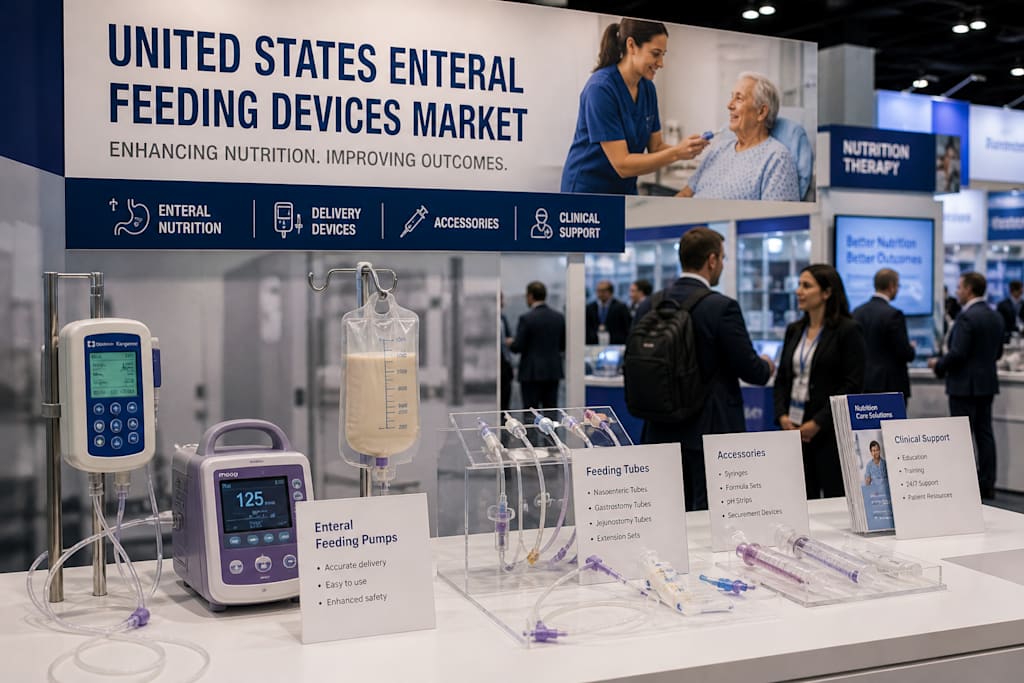
The healthcare system is changing its priorities, emphasizing enhanced patient outcomes, shorter hospital stays, and lower costs. A significant area of progress within the healthcare sector has been in clinical nutrition. Now, the use of enteral feeding devices to provide nutrient delivery straight into the digestive system has become one of the fundamental approaches to patient care for individuals who are unable to receive food orally. Factors contributing to this rise in the United States include increased cases of chronic illness and the availability of services for home healthcare.
According to IMARC Group, the United States enteral feeding devices market increased from $1,048.19 million in 2025 to a forecast of $1,763.70 million by 2034, posting a CAGR of 5.95% for the period between 2026 and 2034.
Factors such as a greater prevalence of chronic diseases like cancer, neurological issues and gastrointestinal problems contribute to this market growth. A significant number of these illnesses make it difficult for people to get proper nourishment from normal means, resulting in reliance on enteral feeding. As more people develop chronic diseases, so the demand for enteral feeding devices is on the rise.
As with all advanced economies around the globe, the US population is aging. Elderly patients are far more susceptible to conditions that involve a long-term need for nutritional support, such as dysphagia or general malnutrition, which increase the need for enteral feeding devices in homes.
Trend in the Enteral Feeding Devices Market: Blending nutrition in a healthy and natural way. As patients and care givers seek healthier and more natural nutritional supplements for loved ones who require home care for their conditions, this market has seen a demand for blenderized nutrition-tube feeding utilizing non-institutional foods for the formulation. These products are also becoming more prevalent in hospitals, where clinical nutrition programs often favor blenderized formula in order to maximize patient intake and maintain the body’s natural systems for digestion and nutrition absorption. Home health agencies and medical facilities that can implement home care systems offering blenderized formulas have seen better outcomes and improved compliance.
A further trend impacting the market is the increasing preference for home based enteral nutrition care in home care. Hospitals and care facilities are eager to provide patient treatment outside of conventional facilities, thus, lowering hospital bills, and improving a patients quality of care. This can only be achieved with easy-to-use, transportable enteral feeding devices.
The market growth for enteral feeding devices in the US is being accelerated by technology developments. These modern feeding systems are increasingly offering smart, programmable features and data monitoring to allow health professionals and caregivers to oversee patients progress, adjust feeding schedules, and ensure greater precision.
When analyzing product segmentation, enteral feeding pumps have claimed roughly 28% share of the market by 2025 and is growing with higher and higher accuracy rates and precision in nutrient delivery. Enteral feeding devices are widely used within the home care sector and at hospitals. The overall market is dominated by the adult demographic, which contributes approximately 82% share in the enteral feeding devices market.
Regarding the application analysis, gastroenterology holds about 33% of market share for these devices, given the demand for dietary aid to patients suffering from digestive ailments, Hospitals still continue to hold the top spot among end-users with 64% of the market share, which can be attributed to rising ICU admissions, as well as the growing requirement of proper dietary nutrition, The use of standard safety features such as ENFit connectors is becoming more widespread. Enteral blenderized feeding systems (containing foods made of real food components) are beginning to be embraced in various healthcare settings.
About the Creator
michael matthew
I’m a market researcher passionate about understanding people, markets, and motivations. My work blends data analysis, consumer psychology, and strategic insight to help brands and businesses make informed, human-centered decisions.
Enjoyed the story? Support the Creator.
Subscribe for free to receive all their stories in your feed.
Comments
There are no comments for this story
Be the first to respond and start the conversation.