
Why the United States Cellulose Acetate Market Is Growing With Sustainable Material Demand
The United States cellulose acetate market is expanding as industries shift toward biodegradable and eco-friendly alternatives to traditional plastics.

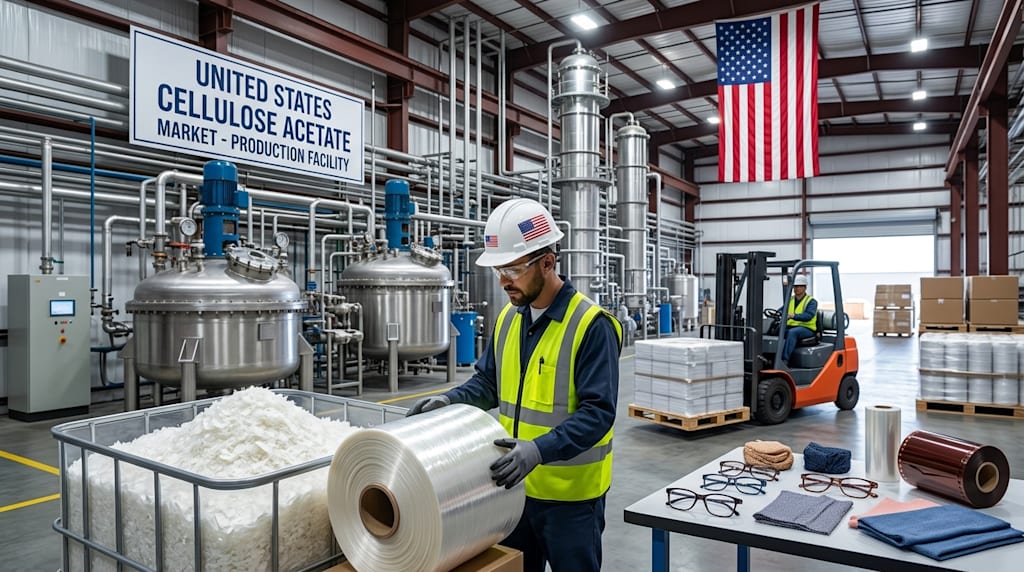
In an era where industries worldwide are embracing sustainability, the demand for eco-friendly materials is exploding. The United States is seeing the rise of cellulose acetate, a renewable and biodegradable polymer made from wood pulp, as a serious alternative to conventional plastics. The applications for this versatile material are widespread, ranging from textiles to packaging to medical devices, and the market is steadily expanding as more businesses adopt sustainable practices.
According to IMARC Group, the US cellulose acetate market was worth 1.8 billion dollars in 2025, and is expected to be valued at 2.8 billion dollars by 2034, growing at a compound annual growth rate (CAGR) of 4.75% from 2026-2034.
One of the main drivers of market growth is the surging demand for biodegradable and environmentally friendly materials. As the public's concern over plastic pollution grows, industries are scrambling for alternatives to traditional plastics. Cellulose acetate presents a compelling alternative as it is naturally biodegradable, and can be effectively used in a variety of packaging and disposable goods as well as in textiles.
Another significant factor in shaping the market is the increasing regulations and environmental policies across industries. With government initiatives aimed at limiting single-use plastics, manufacturers are actively moving towards greener materials. This regulation is fueling growth in cellulose-based products especially in the packaging and textile sectors.
The fashion and textile industry is also greatly contributing to market growth. Due to their smooth texture, durability, and environmentally conscious features, cellulose acetate fibers have become widely adopted as a substitute for silk. Sustainable practices are gaining importance across the clothing industry, making cellulose acetate fabrics an attractive alternative for brands committed to reducing their environmental impact.
The largest application segment for cellulose acetate is cigarette filters, as its fiber provides reduced tar and nicotine levels without compromising its structure. Although consumer trends for cigarettes are shifting, a demand for filters persists, and it remains a major contributor to the overall market revenue.
Medical and healthcare industries have also become a vital segment for the growing market. Due to its non-toxic and hypo-allergenic properties, cellulose acetate is used for items such as wound dressing, surgical equipment, and biomedical devices, further contributing to the market's expansion as a safe and sustainable material for health care and medical supplies.
Technological advancements also play a significant role in driving market growth as manufacturing processes become more cost-effective and environmentally friendly. Improvements in recycling and development of sustainable solvents have made cellulose acetate an even more appealing material for manufacturers in various industries.
Regarding segmentation, the market is broken down by the following applications: cigarette filters, LCDs, yarn, coatings, plastics and film, and of the presented categories cigarette filters have the biggest share, while a growth is observed in bioplastics and packaging. The leading region in the US market is the Northeast US due to its thriving industries and strong inclination towards sustainability.
The growing trend in the United States market also indicates a shift towards a circular economy. Investments in recycling programs and the development of biodegradable alternatives are key factors leading to new opportunities for cellulose acetate in packaging and consumer goods.
What sets the US market apart is its capacity to meet the growing sustainability concerns of a global market. Cellulose acetate successfully marries material performance with environmental responsibility making it essential in the move towards more sustainable manufacturing.
About the Creator
michael matthew
I’m a market researcher passionate about understanding people, markets, and motivations. My work blends data analysis, consumer psychology, and strategic insight to help brands and businesses make informed, human-centered decisions.
Enjoyed the story? Support the Creator.
Subscribe for free to receive all their stories in your feed.
Comments
There are no comments for this story
Be the first to respond and start the conversation.