
Why the Organic Baby Toiletries Market Is Doubling by 2035
Thinner skin, stricter regulations, and skeptical parents are reshaping how baby products get made.

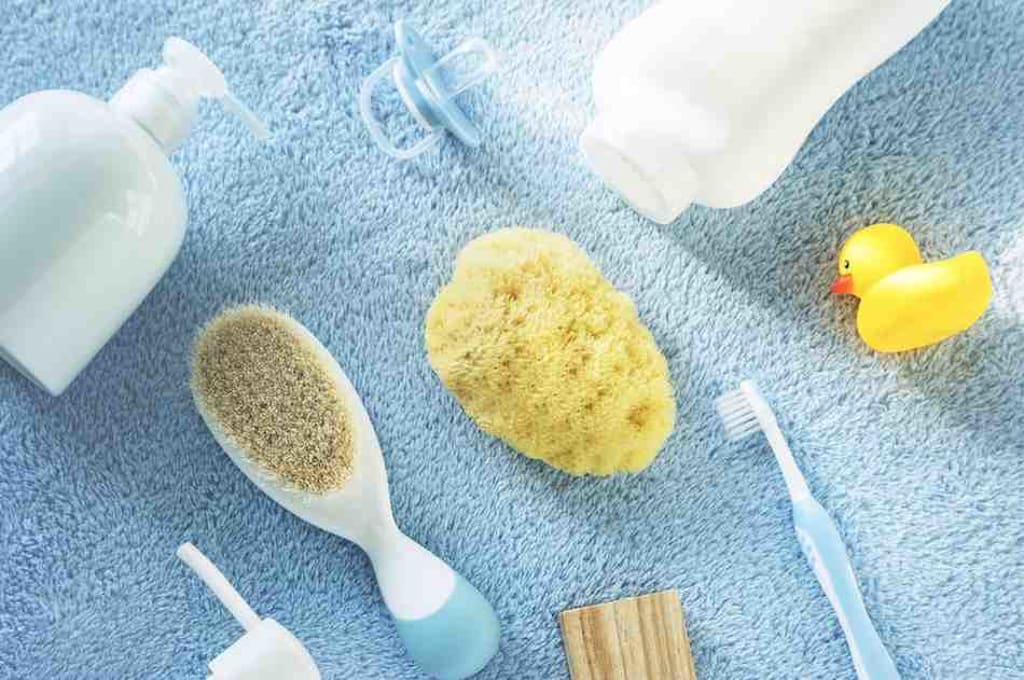
There's a quiet but consequential shift happening in nurseries around the world, and it shows up clearly in the numbers behind the organic baby toiletries market. Valued at around 9.0 billion dollars in 2025, the market is projected to climb to roughly 18.6 billion dollars by 2035, growing at a steady 7.6 percent annually. That's not a marginal premium niche anymore. It's a structural shift in how parents evaluate risk, and it's being driven by something more specific than vague "clean beauty" branding: actual skin biology.
Parents curious about how this growth breaks down by product type, region, and distribution channel can access a complimentary copy of the full sample report to see the detailed figures.
The Skin Science Behind the Shift
Infant skin isn't just smaller adult skin, it's structurally different, and that distinction is doing a lot of work in this market. According to Dandle-LION Medical, infant skin is roughly 20 percent thinner than adult skin, which makes it considerably more permeable to whatever gets applied to it. Separate research from XJ Beauty estimates infants can absorb up to 60 percent more chemicals through their skin than adults do. That's not a marketing claim, it's a physiological argument, and it's part of why pediatrician and dermatologist recommendations have become the single most trusted trigger for organic product adoption.
The trust problem runs deeper than most parents realize, too. PMC research found that 89 percent of products labeled "hypoallergenic" still contain potentially allergenic compounds, and separately, that around 60 percent of cosmetics formulated for atopic dermatitis contain sensitizing substances. Those numbers explain why so many parents no longer take label claims at face value, and why certified organic positioning carries more weight than generic "gentle" marketing ever did.
Skin Care Leads, But Bathing Products Are the Real Gateway
Within the broader organic baby toiletries market, skin care holds the largest product share at 38.2 percent in 2025, a reasonable outcome given how directly it connects to the permeability concerns above. But bathing products play a different, arguably more important role: they're typically the first organic product a parent buys, often before they've fully committed to an all-organic routine. That entry-point dynamic matters commercially, since infants represent 63.7 percent of end-user demand and brand habits formed in the newborn stage tend to be remarkably sticky. Parents who start with organic in year one rarely revert to conventional products as their child grows.
Liquid formulations dominate formulation type at 51.5 percent share, largely because washes and shampoos are the highest-frequency products in any baby care routine, and rinse-off convenience still wins over leave-on alternatives for daily use.
Capital Is Following the Data
This isn't just a parental sentiment shift, investors are reading the same signals. In October 2024, Millennium Babycares raised 14.5 million dollars in funding led by Bharat Value Fund, along with an additional 122 crore rupees earmarked for product innovation and expansion in premium natural baby care. That kind of institutional backing for an emerging-market organic baby brand suggests investors see real, durable demand outside the traditional U.S. and European strongholds, not just a passing trend among wealthy Western parents.
Clinical data is reinforcing that confidence. A study published in PubMed found infant skin hydration improved by 37 percent after just one week of consistent use of natural baby skincare products, and PMC reported that 90 percent of parents in that same study described the products as mild and gentle. Results like that move organic baby toiletries out of the "nice to have" category and into something closer to a pediatrician-backed recommendation, which meaningfully widens who's willing to pay for it.
Even Legacy Brands Are Reformulating
Perhaps the clearest sign that this shift is permanent rather than cyclical is who's responding to it. In November 2025, Johnson's Baby, under Kenvue, upgraded its entire toiletries range with new skin-science formulas and more sustainable packaging, including bottles made from 50 percent recycled plastic. When a 100-year-old mass-market brand starts competing on the same formulation and sustainability terms as specialty organic players, it's a fairly strong signal that "organic" has stopped being a niche shelf tag and started being a baseline expectation.
North America currently leads the market with a 45.3 percent share, worth about 4.0 billion dollars in 2025, supported by early regulatory action on cosmetic ingredient safety and a retail infrastructure built for premium positioning. But the more interesting growth story may be unfolding in Asia Pacific, where urbanizing middle-class families in China, India, and Southeast Asia are creating a genuinely new generation of label-reading, ingredient-researching parents.
What's emerging here isn't a beauty trend dressed up in baby packaging. It's a recalibration of what parents consider acceptable risk for the most vulnerable skin in the household, backed by clinical data that's getting harder to dismiss. As regulation tightens, as legacy brands reformulate, and as trust in vague label claims keeps eroding, the organic baby toiletries category looks less like a premium choice and more like where the entire industry is quietly headed.
About the Creator
Enjoyed the story? Support the Creator.
Subscribe for free to receive all their stories in your feed.
Comments
There are no comments for this story
Be the first to respond and start the conversation.