
Why the Multi Tool Combo Kits Market Keeps Expanding
Brushless motors, modular kits, and one battery for everything are reshaping how people buy tools.

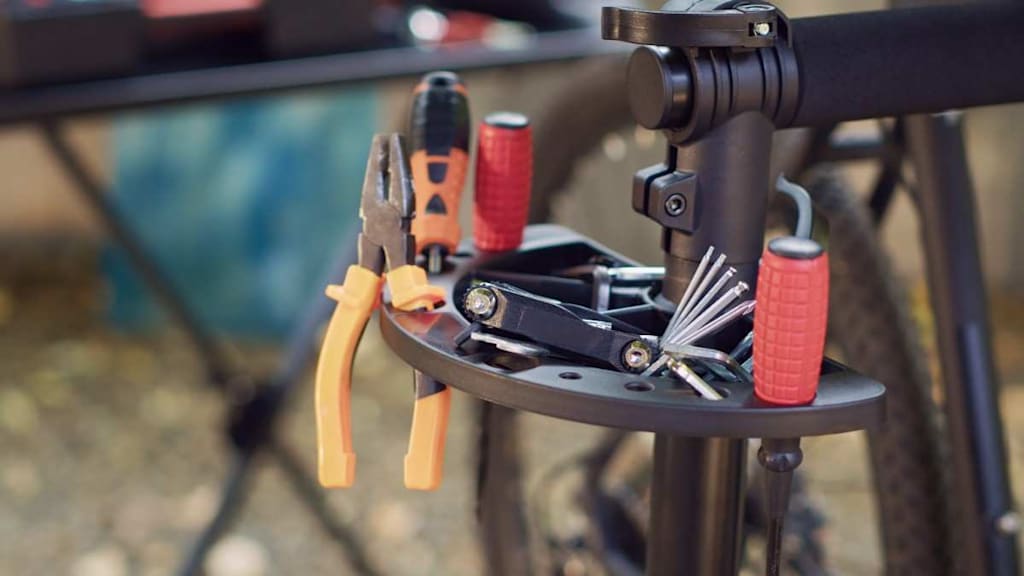
Buy one cordless drill today and there's a good chance you'll own three more battery-powered tools within a year — a driver, a saw, maybe an oscillating cutter — each one needing its own charger and battery unless you planned ahead. That planning-ahead instinct is exactly what's fueling the Multi Tool Combo Kits Market, which industry research expects to grow from $1.6 billion in 2025 to $2.9 billion by 2035, a 6.3% compound annual growth rate. The pitch is simple: one battery platform, several tools, less clutter in the garage.
Those same figures, split out by tool type and distribution channel, appear in a short-form version of the report that the publisher maintains separately.
What's Actually Inside One of These Kits
The specs behind a modern combo kit are more detailed than the category's reputation suggests. A typical 20V MAX cordless 7-tool combo kit ships with one 4Ah battery and two 2Ah batteries, giving users flexibility between runtime and weight depending on the job. Oscillating multi-tools in these kits now deliver up to 57% more runtime compared to older brushed motor designs, and built-in LED flashlights putting out 110 lumens have become standard rather than a premium add-on. In January 2025, Makita launched its 40V max XGT Brushless Cordless StarlockMax Oscillating Multi-Tool, built around exactly this logic — better ergonomics and battery efficiency aimed squarely at professional users who live inside one tool ecosystem rather than juggling several brands.
Pliers-Based Tools Still Lead, But Buying Habits Are Shifting
Among tool types, pliers-based multi-tool kits remain the category's most consistent seller, valued for combining gripping, cutting, and bending functions into something genuinely useful for everyday repairs rather than a single specialized task. Screwdriver-based kits hold steady demand too, mostly through furniture assembly and electronics work where interchangeable bits matter more than raw power. What's more interesting is how people are actually buying these kits: offline retail stores still account for 45.8% of sales, since buyers want to physically check build quality before committing to a battery ecosystem they'll be locked into for years. E-commerce is growing steadily behind it, and that online shift is reshaping the wider multi tool combo kits market in a way that favors brands willing to offer bundled deals and clearer product education directly to consumers.
An Aerospace Acquisition Shows Where the High End Is Headed
Not every part of this market is about weekend DIY projects. In February 2025, Tide Rock acquired Airsupply Jeyco specifically to strengthen its position in advanced tooling, gaining access to patented aerospace tool kits built for high-precision aviation and industrial work. That's a useful reminder that "combo kit" covers an enormous range, from a $150 homeowner set to specialized aerospace tooling worth considerably more, and the growth drivers at each end of that spectrum look almost nothing alike. At the high end, it's about precision and certification. At the consumer end, it's about convenience and shared batteries.
Where the Demand Sits Geographically
North America leads the market with 32.4% share, worth roughly $0.5 billion, supported by heavy construction activity and a strong existing base of cordless tool users upgrading to combo platforms. Europe holds a stable position behind it, driven less by new construction and more by renovation work and a skilled labor force that values productivity-focused tools. Asia Pacific is the fastest-growing region by a clear margin, as rapid urbanization and a expanding DIY culture in countries like China and India pull in buyers who are picking up cordless tools for the first time rather than replacing existing ones.
Looking Ahead
The next phase of growth here probably depends less on adding more tools to a kit and more on what those tools can tell you. Smart, connected combo kits that track battery health and usage patterns through a companion app are already moving from concept into early product lines, and modular kits that let buyers add specific tools as needs change are gaining traction over fixed bundles. As e-commerce and direct-to-consumer sales keep expanding alongside traditional retail, the brands that figure out how to sell flexibility, rather than just a fixed set of tools, are likely to pull ahead of the pack.
About the Creator
Enjoyed the story? Support the Creator.
Subscribe for free to receive all their stories in your feed.
Comments
There are no comments for this story
Be the first to respond and start the conversation.