
Why the Mexico Cement Market Is Growing With Infrastructure and Self-Build Housing Demand
The Mexico cement market is expanding as infrastructure projects, urbanization, and a strong self-construction culture continue to drive steady demand.

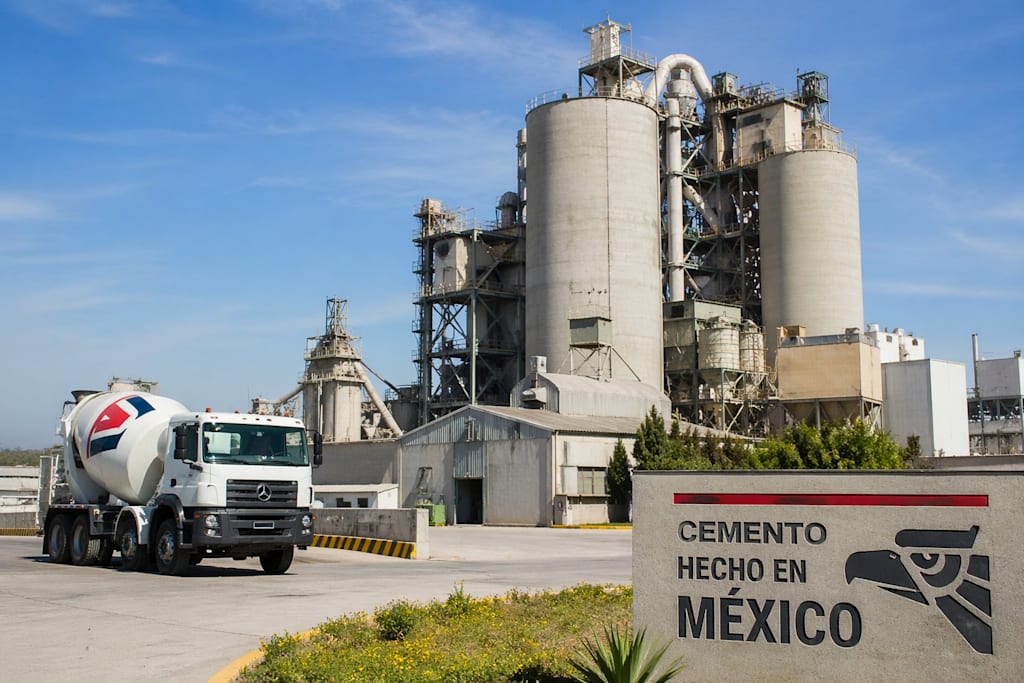
Cement is one of the most ubiquitous construction materials in modern construction‚ and the consumption of cement has been shown to correlate strongly with the economic and social situation in a country․ In Mexico‚ infrastructure projects and self-built housing are the largest drivers of demand․ These factors combine to create a healthy‚ growing market from both industrial and grassroots scale development and activity at the same time․
According to IMARC Group‚ the Mexico cement market stood at USD 6430․5 Million in 2025 and is expected to reach USD 9940․8 Million by 2034‚ exhibiting a CAGR of 4․81% during 2026-2034․
Self-construction in the Mexican cement market is one of the most distinctive features of the industry․ Most houses are built and expanded by their owners rather than by developers․ As a result‚ bagged cement is in constant demand in the domestic market․ In urban and semi-urban areas‚ an increasing number of Mexican households are investing in home renovation and incremental housing․ This creates demand outside of medium-scale commercial projects in the construction and infrastructure sectors․
Another major factor is government-funded construction․ Projects such as highways‚ railroads‚ airports‚ and housing developments require large amounts of cement to complete․ New construction absorbs a large amount of buildings over the long term in many locations‚ both from public infrastructure expenditure and the construction of private buildings‚ and so forms a large resilient market․
Urbanization is one of the other factors‚ as urban areas require more residential and commercial buildings and the infrastructure that goes with them‚ including hospitals‚ schools‚ and transport systems․ With rising urbanization‚ the demand for building materials‚ specifically cement‚ remains the primary focus of most national construction activities and projects․
Sustainability is increasingly relevant with moves by the industry to green cement production with energy efficient kilns‚ alternative fuels and carbon abatement․ Such moves are a response to tighter environmental regulation and the increasing awareness of green building‚ with manufacturers continuously researching improved technologies to reduce the impact of cement manufacture on the environment․
The market can also be divided on the basis of the type of cement‚ such as Portland cement‚ blended cement‚ etc․‚ and on the basis of end use‚ such as residential‚ commercial‚ and infrastructural‚ based on the level of complexity and scale of construction projects they are used in․
Another area of rapid growth has been industrial development‚ particularly through a process known as nearshoring․ As multi-national companies move factories closer to North America‚ industrial parks and logistics centers are being built throughout Mexico․ This indirectly increases the demand for cement‚ since new industrial facilities rely on durable‚ high-performance building materials․
The characteristics of the Mexico cement market are of particular interest for the dialogue between large-scale modernization and local practices‚ as it is the very infrastructure megaprojects that create high demand‚ yet local self-construction practices that guarantee demand at the local level․ It is this dual demand structure that provides the market with stability‚ that is not always found in industrial-driven sectors․
At the same time‚ urbanization‚ infrastructure and industrial investment in Mexico will likely mean demand for cement in the country continues to rise․ Sustainability considerations and the impact of technological development will also likely be key factors in the coming decades towards making the Mexican cement industry a more efficient‚ greener producer․
About the Creator
michael matthew
I’m a market researcher passionate about understanding people, markets, and motivations. My work blends data analysis, consumer psychology, and strategic insight to help brands and businesses make informed, human-centered decisions.
Enjoyed the story? Support the Creator.
Subscribe for free to receive all their stories in your feed.
Comments
There are no comments for this story
Be the first to respond and start the conversation.