
Why the Metaverse Market Could Be Worth $4.4 Trillion by 2034
Inside the data, trends, and real-world bets shaping the next decade of virtual worlds.
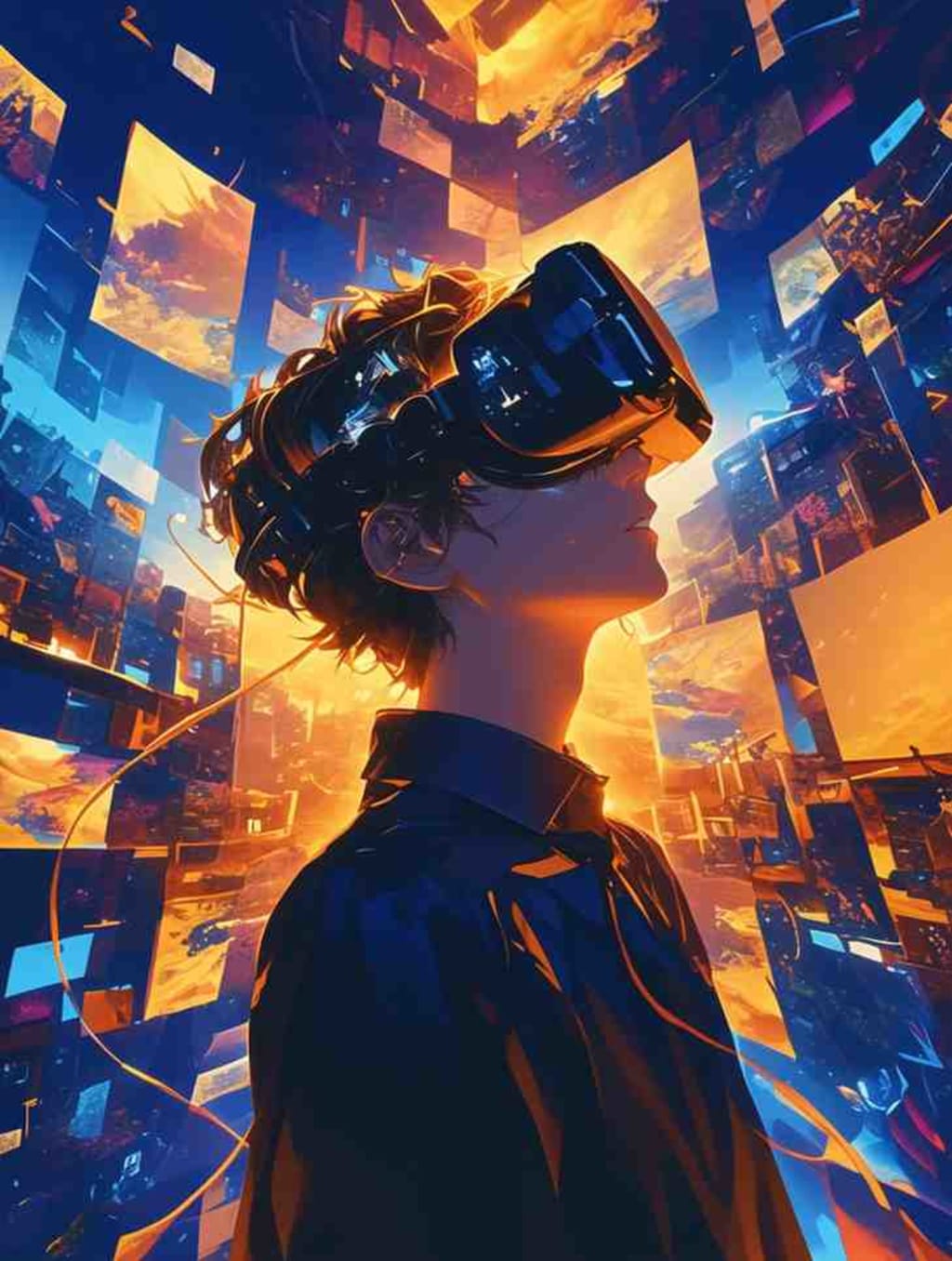
Something strange happened to the metaverse over the past two years. Just as headlines started writing it off as a passing fad, the underlying numbers quietly told a different story. The global Metaverse Market generated an estimated USD 110.4 billion in 2024, and forecasts now point toward USD 4,473.6 billion by 2034 — a compound annual growth rate of 44.8 percent. That kind of trajectory isn't hype; it's a structural shift in how people are starting to spend their time, money, and attention online.
Anyone trying to map out exactly where that growth is concentrated — by hardware, platform, or region — can get your free sample report from the research firm tracking these figures in granular detail.
Who's Actually Spending Time There
The metaverse isn't just a corporate buzzword anymore — it has a real, measurable user base. Estimates suggest the space already counts more than 600 million active users worldwide, and a striking share of them, around 51 percent, are under the age of 13. Roblox alone reports tens of millions of daily active users, with figures cited anywhere between 55 and 70 million depending on the source. Gaming remains the single biggest draw, accounting for roughly a quarter of all metaverse activity in 2024, but the audience is no longer confined to gamers. Around 60 percent of users on gaming-first platforms now say they also socialize, attend virtual events, or shop while they're logged in — a sign that these spaces are slowly becoming general-purpose digital environments rather than single-purpose entertainment apps.
Where the Money Is Actually Going
Hardware remains the backbone of this expansion. A closer breakdown of the metaverse market by product, platform, and end use shows that headsets, haptic sensors, smart glasses, and holographic displays accounted for more than half of total industry revenue in 2024. (Link: https://market.us/report/metaverse-market/) Desktop access still leads on the platform side, largely because high-end virtual environments demand processing power that mobile devices can't yet match. Meanwhile, Virtual and Augmented Reality together make up roughly a third of the technology mix, with blockchain-based applications carving out a smaller but persistent niche in digital ownership and virtual asset trading.
Real-World Bets Beyond Gaming
What's notable is how far the use cases have spread beyond entertainment. In January 2024, Unity Technologies and Apple announced a collaboration aimed at advancing spatial computing and augmented reality tools for developers — a signal that major platform players see the metaverse as infrastructure, not just content. Roblox has gone a step further, rolling out a feature in May 2025 that lets brands sell physical products directly through the platform, blurring the line between virtual storefronts and real commerce. Even governments are experimenting: Bhutan launched a digital platform recreating its cultural heritage in an immersive virtual setting, while aerospace and defense organizations have leaned on simulation environments for training, accounting for nearly 23 percent of end-use demand in 2024 — driven largely by cost savings on physical training exercises.
The Friction Nobody Talks About
None of this growth is friction-free. Building and maintaining advanced virtual reality hardware and high-fidelity environments is expensive, which keeps smaller companies on the sidelines and concentrates influence among a handful of well-funded players. Regulation is another open question — virtual environments don't map neatly onto existing legal frameworks, and issues like digital asset ownership, jurisdiction, and content moderation remain largely unresolved. Awareness is also lower than the investment numbers might suggest; a meaningful share of U.S. adults say they've never even heard the term "metaverse," which suggests the gap between industry enthusiasm and everyday familiarity hasn't fully closed yet.
What Comes Next
The metaverse's next chapter probably won't look like the avatar-filled virtual offices that were promised a few years ago. It's shaping up to be quieter and more practical — training simulations in aerospace, surgical rehearsal in healthcare, virtual showrooms in retail, and hybrid commerce that blends physical and digital goods. As AI-driven avatars and generative content tools mature, the barrier between "logging into a virtual world" and simply using a smarter, more interactive internet may start to disappear entirely. Whether that future arrives on the scale current forecasts suggest or settles into something more modest, the direction of travel is hard to ignore: digital and physical life are converging, one platform update at a time.
About the Creator
Enjoyed the story? Support the Creator.
Subscribe for free to receive all their stories in your feed.
Comments
There are no comments for this story
Be the first to respond and start the conversation.