
Why the Liquid Makeup Market Keeps Reinventing Itself
From shade inclusivity to skincare hybrids, foundation is no longer just about coverage.

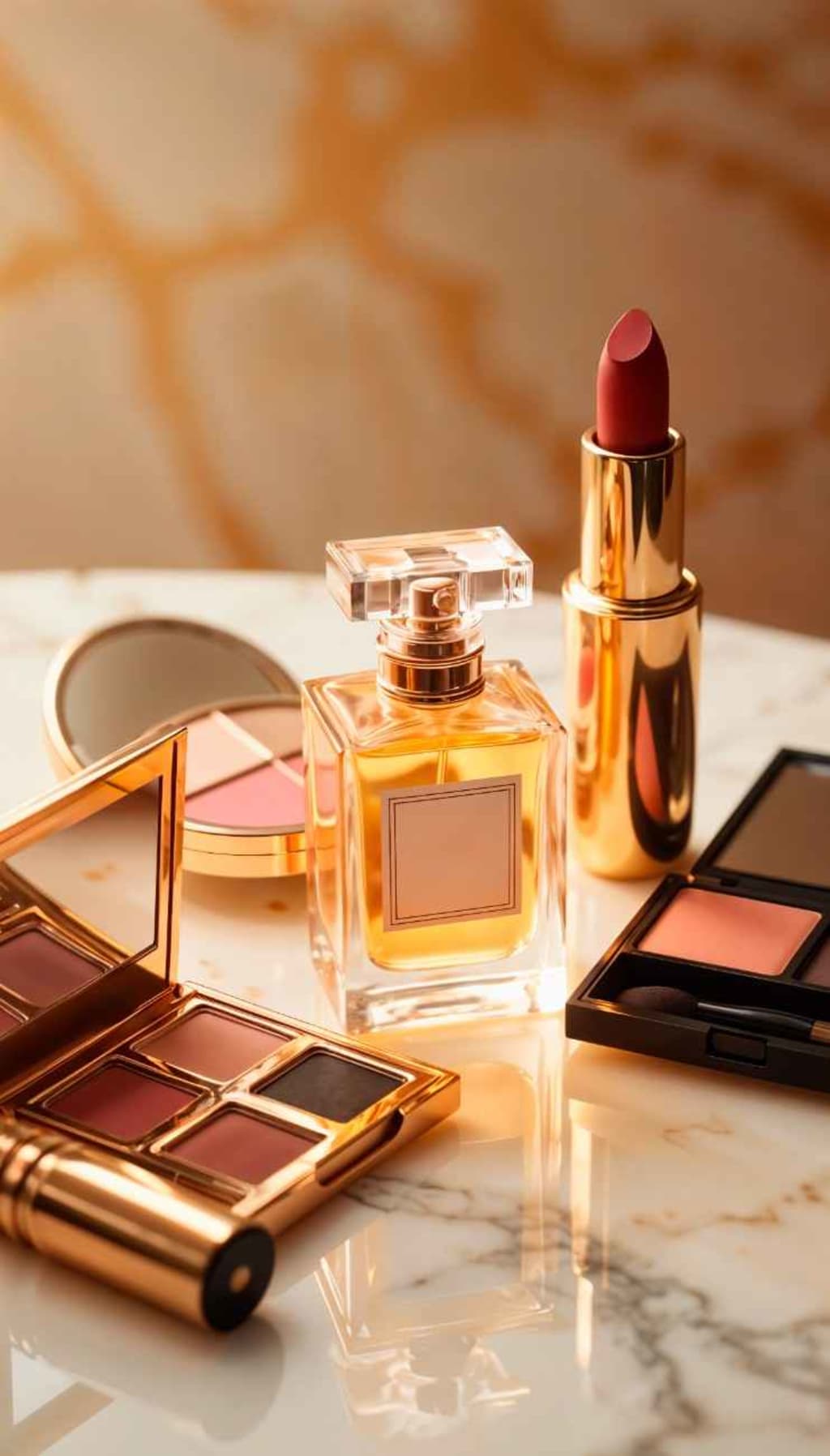
Foundation Bottles Are Selling Out Faster Than Ever — Here's the Industry Behind It
Walk into any beauty retailer today and the foundation aisle looks nothing like it did a decade ago. Shades have multiplied from a dozen to fifty. Formulas promise everything from 24-hour wear to clinical skincare benefits. The price range stretches from under five dollars to well over sixty. None of this is accidental — it reflects a fundamental shift in how consumers relate to base makeup. The Liquid Makeup Market has grown into one of the most dynamic segments in global beauty, shaped by ingredient innovation, a hard-won push toward shade inclusivity, and a generation of buyers who research a foundation the way they research a moisturiser. A 2025 liquid makeup market report by Market.us details the segment breakdowns and regional forecasts underpinning that growth.
Why Liquid Formats Won the Base Makeup Category
Powder foundations dominated for most of the twentieth century, valued for oil control and ease of application. Liquid formulas began their ascent when consumers started prioritising a skin-like finish over flat matte coverage — a shift tied partly to social media, where powdery textures read as obviously made-up rather than natural under a front-facing camera. The demand for foundations that move with skin, catch light believably, and photograph well created a formulation race that liquid formats were positioned to win.
Today, liquid foundations, tinted moisturisers, BB and CC creams, and serum foundations collectively dominate the base makeup shelf. Each fills a slightly different brief — coverage level, skin benefit emphasis, finish type — but all share the texture flexibility and skin-compatibility advantages that pressed powder cannot replicate.
Inclusivity as a Structural Market Force
No single event reshaped this category more visibly than Rihanna's launch of Fenty Beauty in 2017, which debuted with 40 foundation shades explicitly designed to include deep and very deep skin tones that most brands had long ignored. The commercial response was swift: Fenty Beauty is widely reported to have generated around 100 million dollars in sales within its first 40 days, and competing brands announced shade expansions within weeks.
That moment shifted inclusivity from a niche consideration to a baseline expectation. Brands that fail to offer adequate shade ranges now face measurable consumer backlash. For liquid foundation specifically, this has driven formulation complexity — expanding shade ranges requires significant investment in pigment development and undertone matching — while simultaneously widening the addressable consumer base considerably.
Research covering the Liquid Makeup Market size identifies inclusivity-driven product expansion as one of the structural forces sustaining category growth, particularly in North America and Western Europe where representation has become a commercial standard rather than a point of difference.
The Skincare-Makeup Convergence
The other defining formulation story of the past five years has been the erosion of the boundary between foundation and skincare. Serum foundations — incorporating hyaluronic acid, niacinamide, peptides, or SPF alongside pigment — have moved from novelty to mainstream. Brands like ILIA, Charlotte Tilbury, and Armani Beauty have built hero products around this positioning, and mass-market players have followed with accessible versions at lower price points.
This convergence serves consumers who want simpler routines without sacrificing skin health or coverage. It also serves brands because ingredient-led positioning justifies premium pricing and opens skincare retail channels — dermatologist networks, clinical beauty platforms — that traditional makeup brands struggled to access.
What the Next Phase Looks Like
Sustainability is emerging as the defining challenge for liquid makeup's next growth chapter. Liquid formulas are packaging-intensive by nature — pumps, glass bottles, multi-component caps — and consumers are increasingly factoring environmental credentials into beauty purchases. Brands investing in refillable systems, recyclable materials, and concentrated formulas are moving ahead of what appears to be a tightening regulatory and consumer expectation environment across key markets.
The category that once competed on shade count and finish type alone is now being evaluated on ingredient transparency, environmental impact, and clinical efficacy. Brands that treat those demands as genuine product briefs rather than marketing language will define what liquid makeup looks like in the decade ahead.
About the Creator
Enjoyed the story? Support the Creator.
Subscribe for free to receive all their stories in your feed.
Comments
There are no comments for this story
Be the first to respond and start the conversation.