
Why the Hand Wash Market Quietly Grew Up
Post-pandemic habits locked in lasting demand — and a commodity product became a competitive industry.

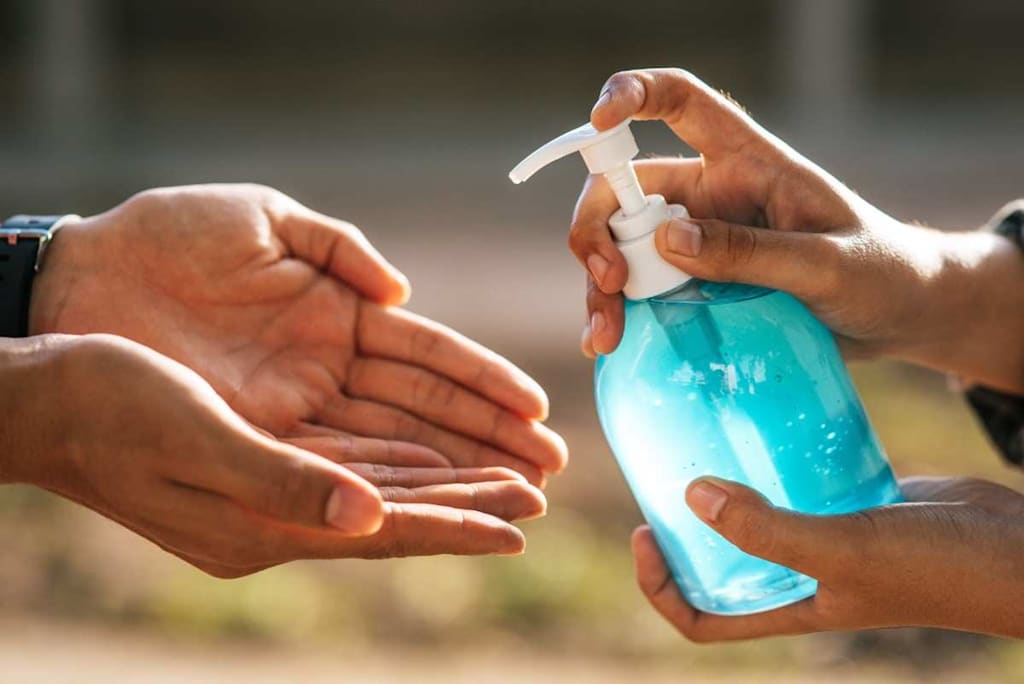
The Soap Dispenser by Your Sink Has Become a Surprisingly Serious Business
Hand hygiene was always considered basic — a habit drilled into children, a poster on a school bathroom wall. Then 2020 arrived, and the act of washing your hands became front-page news. But here's what's more interesting than the pandemic spike: the Hand Wash Market didn't retreat when the crisis eased. Consumer behaviour had shifted in ways that proved durable, and the industry supplying liquid hand soaps, foaming washes, and antibacterial formulas quietly grew into something far more sophisticated than it was five years ago. The numbers behind that growth are worth understanding if you're anywhere near the consumer health or personal care space. Market.us has published a free sample of their hand wash industry report that breaks down the segment data and regional forecasts in useful detail.
A Habit That Stuck
Public health campaigns during the pandemic trained hundreds of millions of new regular hand-washers, particularly in markets where liquid soap had lower household penetration than bar soap. In South and Southeast Asia, the shift from solid to liquid formats accelerated by several years within a compressed window. Manufacturers who had been slowly building distribution infrastructure in these regions found themselves facing demand they hadn't planned for — and responded with reformulations, new entry-level price points, and aggressive retail expansion.
What research has since confirmed is that roughly sixty to seventy percent of new hand-washing behaviours adopted during that period became permanent habits. That's not a small number when you're talking about billions of people, and it explains why category revenue didn't slide back to pre-2020 baselines once the immediate urgency passed.
From Utility Product to Personal Care Category
The more structurally interesting shift has been at the premium end. Hand wash spent most of its commercial history as a purely functional product — bought for cleanliness, not experience. That positioning has eroded considerably. Brands like Method, Aesop, and Mrs. Meyer's demonstrated that consumers would pay significantly more for products with considered fragrances, thoughtfully designed dispensers, and ingredient stories built around botanical extracts or sustainability credentials.
Mainstream brands took note. Today, even mid-market lines from Softsoap and Dial carry variants with fragrance collections, moisturising additives, and packaging designed to sit on a countertop rather than hide under a sink. The bathroom pump dispenser has become, in a modest but real sense, a lifestyle object — and analysts studying the Hand Wash Market size have noted that the fastest-growing revenue segments are not value-tier refills but differentiated, higher-margin formulations targeting consumers who treat hand care as an extension of skincare.
What's Driving Formulation Change
The ingredient conversation in hand wash has grown notably more complex. Triclosan — once the standard antibacterial active — was phased out of consumer products in the United States following FDA rulings in 2016, prompting a broad reformulation cycle. Brands moved toward benzalkonium chloride and alcohol-based alternatives, which opened new questions about skin tolerance and dryness, particularly for frequent washers.
That dryness concern has driven a parallel investment in conditioning agents. Glycerin, aloe vera, shea butter, and ceramide complexes are now common inclusions in formulas that would have contained none of these a decade ago. The hand wash category has been quietly absorbing lessons from skincare chemistry — and consumers who compare labels have noticed.
Sustainability as the Next Competitive Axis
If premiumisation defined the last five years of hand wash innovation, sustainability looks set to define the next five. Concentrated refill formats — where a small tablet or pouch dissolves into water at home, eliminating the need to ship mostly-water products in single-use plastic — have moved from niche curiosity to mainstream consideration for brands with serious environmental commitments.
Packaging innovation is running in parallel, with post-consumer recycled plastics, aluminium dispensers, and compostable pouches all appearing in recent product launches from both established players and independent brands. Younger consumers in particular are factoring environmental credentials into purchasing decisions with a measurable seriousness that wasn't present five years ago.
The dispenser on your kitchen counter may look unchanged. The industry behind it has shifted considerably — and that process is still well underway.
About the Creator
Enjoyed the story? Support the Creator.
Subscribe for free to receive all their stories in your feed.
Comments
There are no comments for this story
Be the first to respond and start the conversation.