
Why the Floating Floor Market Is Set to Nearly Double by 2035
From budget laminate to premium LVP, floating floors are reshaping how homes and offices get built.
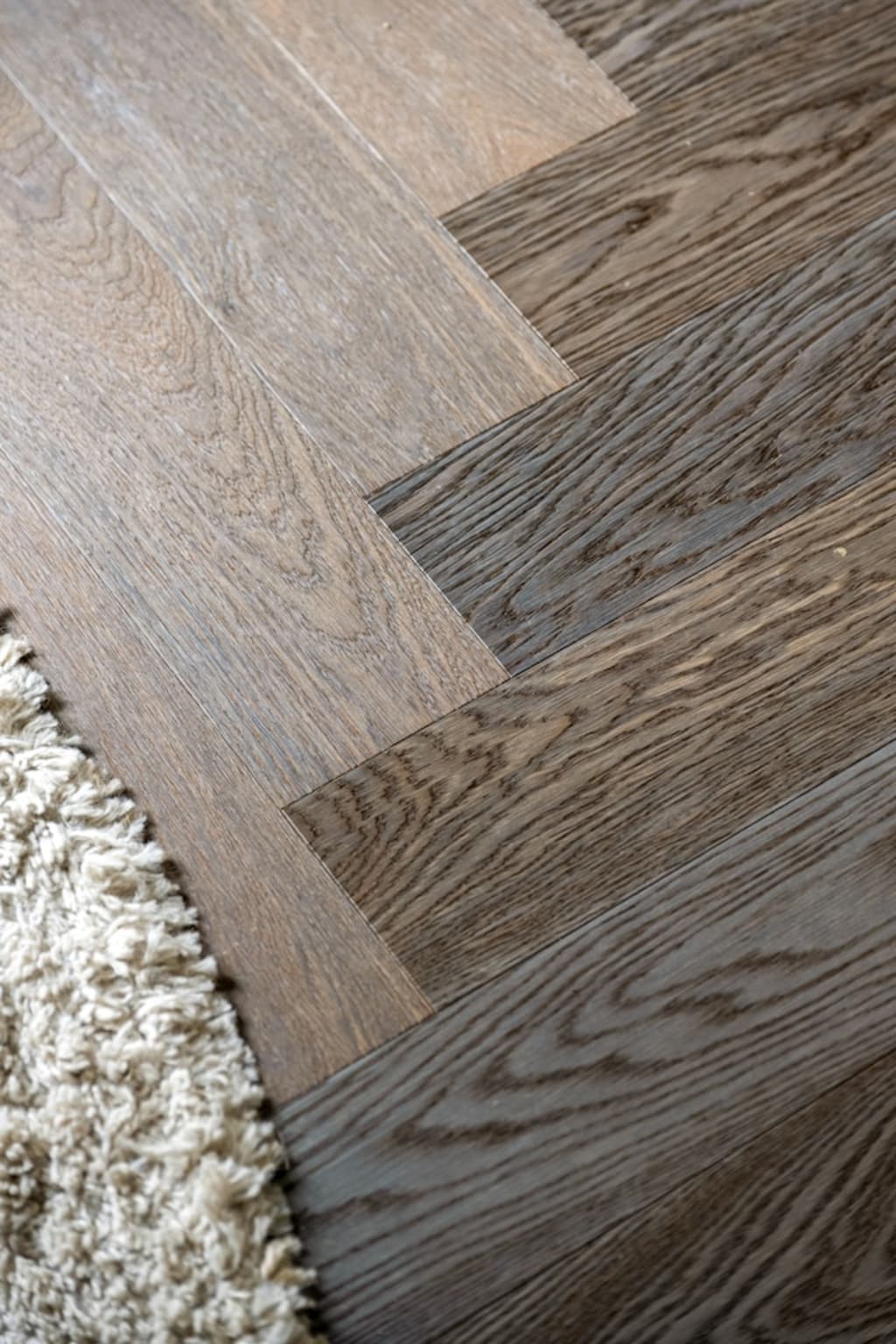
Why Floors That Float Are Quietly Reshaping the Home Renovation Industry
Hardwood used to be the gold standard. Then, in the mid-1980s, a Swedish company called Pergo introduced laminate flooring — snapping together without glue, nails, or adhesive — and the way people thought about floors changed permanently. Today, that same principle underlies one of the building materials industry's more quietly dynamic segments: the floating floor market, now valued at around $1.6 billion globally and on track to nearly double by 2035.
A detailed look at the trajectory of this industry — from material breakdowns to regional demand shifts — is available in this floating floor industry overview.
The core appeal is almost deceptively simple. Floating floors aren't attached to the subfloor beneath them. Instead, planks or tiles interlock and rest freely, held in place by their own weight and perimeter expansion gaps. For homeowners, that means faster installation, easier replacement, and compatibility with radiant heating systems that would otherwise warp glued-down wood. For contractors, it means lower labor costs per square foot and fewer callbacks.
From Budget Option to Premium Product
For most of the 1990s and early 2000s, floating floors carried a stigma. They were the cheap alternative — thin laminate that sounded hollow underfoot and wore through its printed surface layer within a few years. That reputation has been thoroughly revised.
Luxury vinyl plank (LVP), which became the dominant subcategory through the late 2010s, changed the conversation entirely. Brands like Shaw Floors and Armstrong began producing LVP with wear layers thick enough to withstand commercial foot traffic, textures that convincingly replicate hand-scraped oak, and core constructions rigid enough to span minor subfloor imperfections without telegraphing them. Shaw's Floorté line, for instance, is now specified in multi-family residential developments specifically because it tolerates the kind of moisture exposure that would destroy solid hardwood.
Engineered hardwood, another floating floor variant, pushed further upmarket. Unlike solid wood — which must be nail-fastened — engineered hardwood's cross-ply construction allows it to be glued or floated, giving architects the aesthetic of real wood with meaningfully better dimensional stability.
The Numbers Behind the Growth
The floating floor market size and share is expected to grow at a compound annual rate of 6.1% through 2035, reaching approximately $2.9 billion. That trajectory tracks broader renovation cycles rather than new construction starts — a meaningful distinction. When interest rates constrain new homebuilding, renovation spending typically holds or increases, as homeowners improve existing properties rather than trade up. Floating floors sit squarely in that spending category.
Asia-Pacific is emerging as the fastest-growing demand region, driven by urban residential construction across Vietnam, India, and Indonesia, where prefabricated housing formats favor quick-install flooring systems. Europe, meanwhile, retains a mature but innovation-driven market, particularly in Germany and the Netherlands, where sustainability certifications and low-VOC adhesive-free installation align with stricter indoor air quality standards.
What Installation Without Adhesives Actually Means
The environmental angle is underappreciated. Traditional flooring installation — particularly glued-down carpet and hardwood — generates significant waste during removal, since adhesive bonds make separation from subfloor nearly impossible without damage. Floating floors can, in theory, be dismantled and reinstalled elsewhere, a property increasingly relevant to commercial tenants who need to return leased spaces to original condition.
This reusability factor has attracted interest from the LEED certification community, where points can be earned through material reuse and reduced construction waste. Several office retrofit projects in the Pacific Northwest have documented floating LVP installations specifically for this reason — the floor comes up cleanly when the lease ends.
There's also a labor dimension. The skilled trades shortage affecting North American construction has made installation complexity a genuine procurement consideration. Floating floor systems can be laid by workers with moderate training in substantially less time than nailed or glued alternatives, easing scheduling pressure on large-scale residential projects.
Where This Category Goes Next
The next competitive frontier in floating floors isn't material composition — it's acoustic performance. The hollow sound problem that plagued early laminate never fully disappeared, and as multi-family density increases in urban markets, sound transmission between floors has become a serious design concern. Manufacturers investing in thicker attached underlays, dense-core constructions, and cork-backing systems are gaining specification advantage in the condominium and apartment segments. The companies that solve the acoustic equation without adding prohibitive cost will likely define what premium floating floors mean for the next decade.
About the Creator
Mark K. Belton
I’m Mark K. Belton, 26 years old, currently working as a Digital Marketing Intern. I have a strong interest in digital marketing and have been developing my skills in SEO, social media marketing, content creation, and online campaign
Enjoyed the story? Support the Creator.
Subscribe for free to receive all their stories in your feed.
Comments
There are no comments for this story
Be the first to respond and start the conversation.