
Why the Cargo Handling Equipment Market Is Quietly Electrifying
Forklifts still rule the docks, but battery power is rewriting how ports actually run.

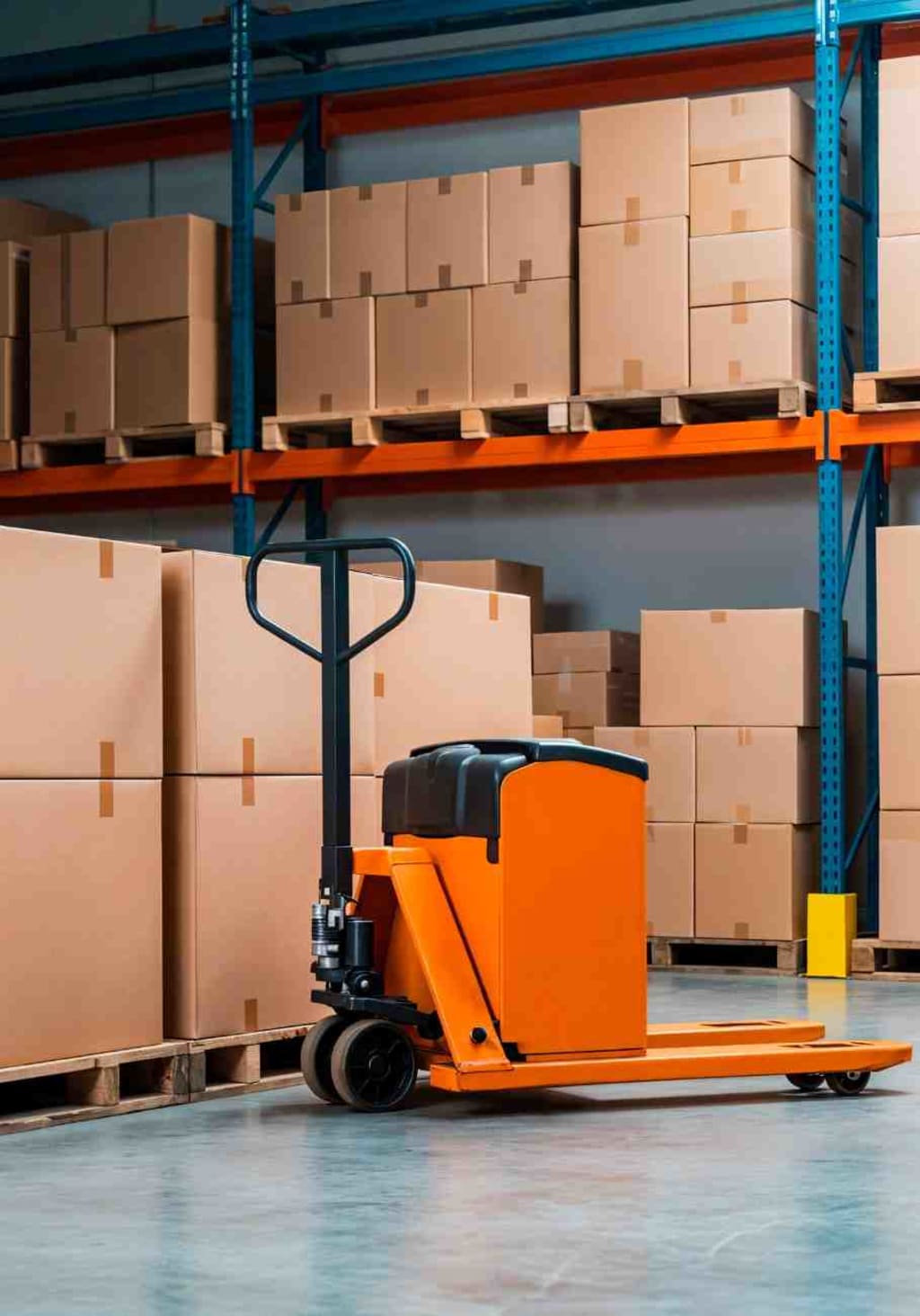
Every container that moves from a ship to a truck passes through some piece of machinery most people never think about, and that invisible layer of equipment is exactly what the cargo handling equipment market is built on. Valued at around 23.3 billion dollars in 2025, the market is projected to reach roughly 37.5 billion dollars by 2035, growing at a steady 4.9 percent annually. That growth rate reflects something specific: terminal operators replacing legacy fleets at a measured pace tied directly to port modernization budgets and e-commerce fulfillment expansion, not speculative spending.
Anyone curious about how that growth splits across equipment type, propulsion, and end-use industry can look through a free preview of the underlying sample data before going further.
Forklifts Still Run the Show, But Cranes Tell the Bigger Story
Forklifts hold the largest equipment type share at 35.7 percent, and the logic is almost too simple to question: they work in ports, warehouses, manufacturing floors, and retail centers alike, which makes them the most versatile and most frequently replaced asset class in any fleet. Medium duty equipment leads load capacity at 35.4 percent for similar reasons, striking the balance most operators actually need rather than chasing specialized extremes.
Cranes operate differently. Their high unit value and long replacement cycles concentrate buying power among a small group of major terminal operators, but that's changing too. Rising investment in automated ship-to-shore crane systems is driving a fresh wave of upgrades at mega-ports, and remote-controlled crane systems are already entering commercial deployment, letting a single control room manage multiple cranes at once.
Diesel Still Leads, But the Emissions Data Is Hard to Ignore
Internal combustion engines hold 45.6 percent of propulsion type share, a lead built on decades of refueling infrastructure and proven performance in continuous heavy-duty operation. That dominance is under real pressure, though. According to SAE Mobilus, battery-electric port cargo handling equipment achieved NOx emissions reductions of 76 to 99 percent compared to conventional equipment, alongside CO2 reductions of 76 to 95 percent for battery-electric forklifts and electric RTG cranes.
Those numbers matter because they remove the main objection port operators have raised for years: that electric equipment can't handle the punishing duty cycles of a working terminal. SAE Mobilus data shows electric RTG cranes averaging 14 hours of use per day, which is a direct answer to that doubt. Within the broader cargo handling equipment market, that operational proof point is exactly what's accelerating fleet conversion timelines in regions with active green port mandates.
Manufacturing Buys the Most, But Logistics Is Scaling Fastest
Manufacturing accounts for 28.9 percent of end-use demand, the largest single segment, driven by multi-shift operations that need constant movement of raw materials and finished goods. But logistics is where the real momentum is building. As e-commerce fulfillment networks keep multiplying, third-party logistics operators need increasingly varied equipment fleets, from automated guided vehicles for sortation to high-reach forklifts for vertical storage, creating broad procurement demand tied directly to how much people buy online.
Shipping terminals, meanwhile, remain the highest-intensity buyers per square meter, running container operations around the clock and pushing demand for the most advanced cranes and automated systems on the market.
Manufacturers Are Racing to Own the Electrification Shift
The clearest sign that this transition is accelerating, not just being discussed, shows up in recent product launches. In June 2025, Konecranes introduced an E-Hybrid Rubber-Tired Gantry crane with battery backup for blackout resilience, requiring 60 kW of charging versus 400 kW for direct systems. By November 2025, the company had launched a high-capacity electric reach stacker offering up to 16 hours of operation per charge with one-to-three-hour fast recharging, outpacing diesel equivalents on handling speed.
Kalmar has moved just as aggressively, launching second-generation lithium-ion battery technology for electric reachstackers and container handlers in mid-2025, then extending that same battery platform to its electric straddle carrier line by December. And in October 2025, Toyota Material Handling North America announced a strategic investment in Advanced Charging Technologies, signaling that even the world's largest forklift manufacturer is moving to control more of the electric fleet value chain rather than simply selling hardware.
Asia Pacific anchors global demand with a 40.8 percent share, worth about 9.5 billion dollars in 2025, a position built on China's port scale, Japan's terminal automation programs, and India's ongoing capacity expansion. Europe is moving fastest on regulation, with IMO emissions compliance and EU sustainability directives pushing Northern European ports toward electric and hybrid fleets ahead of most other regions.
What's coming next for cargo handling equipment looks less like a single technology shift and more like several converging at once. Between electrification finally clearing its performance objections, automated cranes resetting throughput expectations at major terminals, and digital twin technology turning equipment into an ongoing data source rather than just depreciating machinery, this industry is positioned to keep modernizing right alongside the global trade networks it quietly keeps moving
About the Creator
Enjoyed the story? Support the Creator.
Subscribe for free to receive all their stories in your feed.
Comments
There are no comments for this story
Be the first to respond and start the conversation.