
Why the Botulinum Toxin Market Is Expanding Beyond Cosmetics
From wrinkle reduction to chronic disease management, this fast-growing market is reshaping both beauty and modern medicine

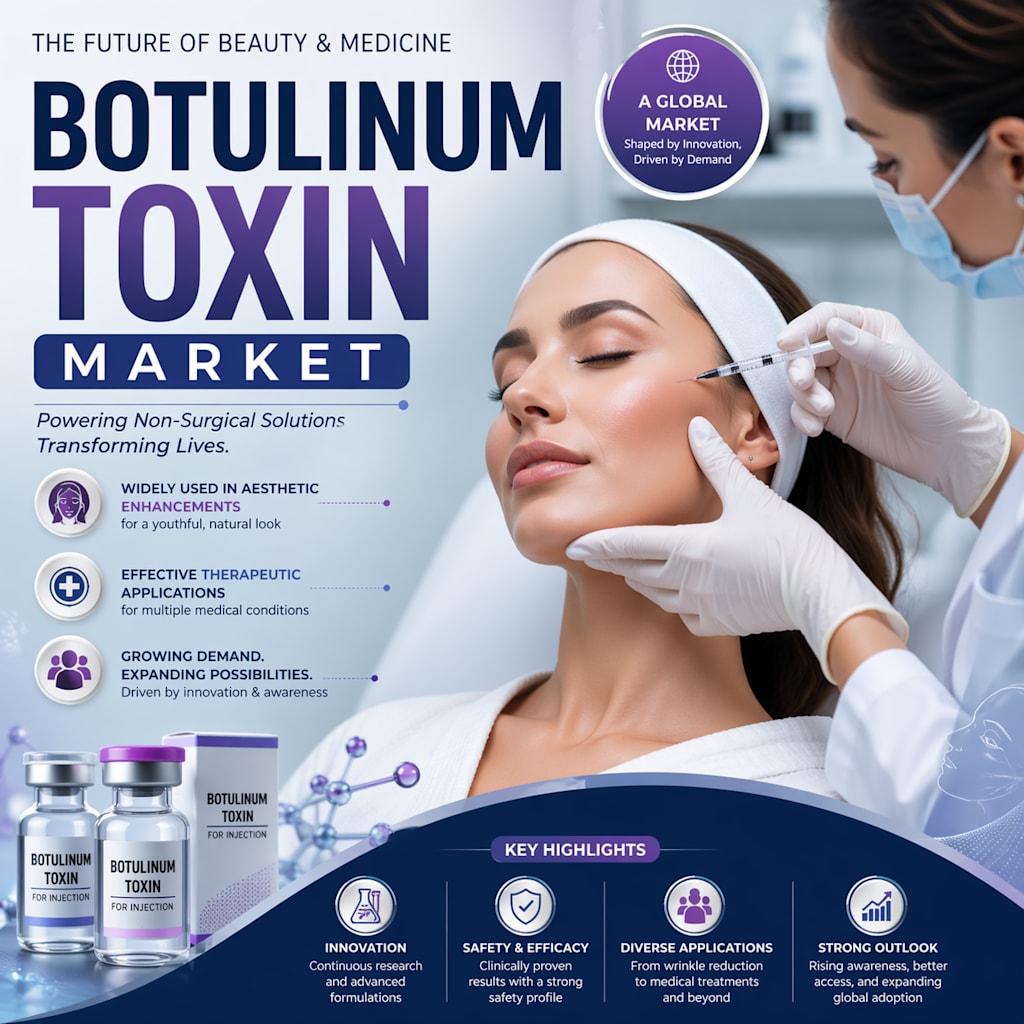
A lot of people are familiar with botulinum toxin as being used for cosmetic purposes‚ i․e․ smoothing out fine lines‚ wrinkles and the appearance of aging․
However‚ there is more to the story․
Botulinum toxin is now a mainstay of modern medicine‚ being used for many medical indications including the treatment of chronic migraines and motor conditions․ From a niche aesthetic use‚ botulinum toxin has matured into a widely used and valuable industrial commodity with applications in the global healthcare marketplace․
A Market Growing with Both Beauty and Medicine
The global market for botulinum toxin was estimated at USD 6․6 billion in 2025 and is projected to reach USD 11․4 billion by 2034‚ at a CAGR of 6․26% during the forecast period․
A unique combination of factors‚ including demand for non-intrusive cosmetic procedures and increasing medical adoption‚ is driving this growth․
Unlike other healthcare markets which may have only one driver of demand‚ the botulinum toxin market straddles both the aesthetic and therapeutic market segments and is thus one of the more strong․
The Movement Towards Non-Surgical Approaches
One of the biggest trends in the market is the demand for non-intrusive procedures․
There is an increasing demand for therapies that:
- Deliver visible results quickly
- Require minimal downtime
- Avoid the risks associated with surgery
Botulinum toxin is a good candidate․
With a relatively simple injection‚ this reduces wrinkles and relaxes muscles․ The aesthetic effects can be seen within days of the injection․ It is now one of the most popular aesthetic procedures around the world․
More Than Beauty: Expanding Medical Applications
The medical uses of botulinum toxin have received increasing attention separate from its cosmetic uses․
It is increasingly being used for diseases including:
- Chronic migraines
- Muscle spasticity and stiffness
- Cervical dystonia
- Excessive sweating (hyperhidrosis)
- Overactive bladder
For those affected‚ botulinum toxin can be a targeted‚ minimally intrusive treatment compared to lifelong drug treatment or more drastic intervention such as surgery․
Healthcare professionals and patients are increasingly aware of it‚ leading to its increased use in treatment․
The Effects of an Aging Global Population
A rapidly aging global population is another factor in demand․
Older age also increases susceptibility:
- Wrinkles and skin aging
- Muscle stiffness and neurological disorders
- Chronic pain and limited mobility
Botulinum toxin may be of interest to older adults for cosmetic use and other medical uses․
In 2030‚ one-fifth of the world's population will be over the age of 60‚ with most of the older people seeking ways to maintain their appearance and quality of life․
Rising Awareness and Social Influence
Social media and other aspects of digital culture have also been a major driving force․
Beauty standards‚ skincare practices‚ and aesthetic transformations shared on social media platforms have normalized botulinum toxin and reduced the stigma associated with it․
Once very rare‚ it's becoming increasingly available to both men and women in the modern era․
At the same time‚ with the rise of more subtle‚ natural-looking results from clinics and practitioners‚ the wider public is opting for enhancement over artificiality․
North America Leads‚ Though Global Growth Rapidly Accelerating
North America holds the largest market share‚ which is mainly due to its advanced healthcare infrastructure and the demand for the cosmetic and therapeutical applications․
The U․S․ is generally a large market․ Cultural pressure around physical appearance and high awareness of non-intrusive procedures in the U․S․ are contributors to its growth․
Botulinum toxin is widely used‚ including for the treatment of chronic migraines‚ a condition that affects millions of people throughout the region each year․
However‚ growth is not limited to North America․
- Europe has growing demand due to its aging population․
- With growing disposable income and a focus on beauty‚ demand is rising in Asia-Pacific․
- Latin America has been shaped by advancements in healthcare and trends in social media․
- Middle East and Africa are emerging healthcare markets due to infrastructural development․
This trend to globalization is contributing to increased market competition․
Innovation Is Driving the Next Phase of Growth
The botulinum toxin market is by no means dependent upon existing products to remain on the market; it is actively innovating․
Companies are focusing on:
- Better formulations with longer acting effects
- Clinical research expanding therapeutic development
- Improved safety and precision of treatments
- Establishing new delivery methods for improved patient outcomes
Product launches and regulatory approvals are also helping the companies enter new markets and expand their presence․
The Competitive Environment: Major Global Players
The industry is competitive‚ with most of the major pharmaceutical companies and investors in medical aesthetics․
it has included the following:
- AbbVie Inc․
- Galderma SA
- Ipsen Group
- Merz Pharma GmbH & Co․ KGaA
- Evolus Inc․
In addition to quality of product‚ another important factor for competition includes innovation‚ branding and reach․
Calculated partnerships‚ acquisitions‚ and regulatory approvals will be key to remaining competitive․
Challenges That Could Shape the Market
Despite the rapid growth‚ the market encounters difficulties․
Competition from alternative treatments‚ regulatory difficulties‚ and a shortage of skilled professionals can limit the sector's growth in some regions․
Concerns have also been raised over safety and misuse in uncontrolled environments․
However‚ there are indications that these problems could lead to tighter regulation‚ better training and more advanced product development‚ and could help stabilize the market․
Looking Ahead
The botulinum toxin's market may depend on whether its use can escape its cosmetic origins․
With continuing research and new applications‚ it is becoming an important tool for use in a variety of aesthetic and medical applications․
With projections of sustained growth until 2034 and an increasing global acceptance‚ botulinum toxin is set to remain a dominant force in the future of healthcare and wellness․
What began as a cosmetic product with great potential is now becoming a more complex medical device with potential still to be fully explored․
About the Creator
Robert
Senior Market Researcher at IMARC Group, specializing in global market analysis, industry trends, and data-driven insights across diverse sectors.
Enjoyed the story? Support the Creator.
Subscribe for free to receive all their stories in your feed.
Comments
There are no comments for this story
Be the first to respond and start the conversation.