
Why the Argentina Pharmaceutical Market Is Growing With Biosimilars and Local Manufacturing
The Argentina pharmaceutical market is expanding as regulatory reforms, biosimilars, and local production boost healthcare accessibility and industry growth.

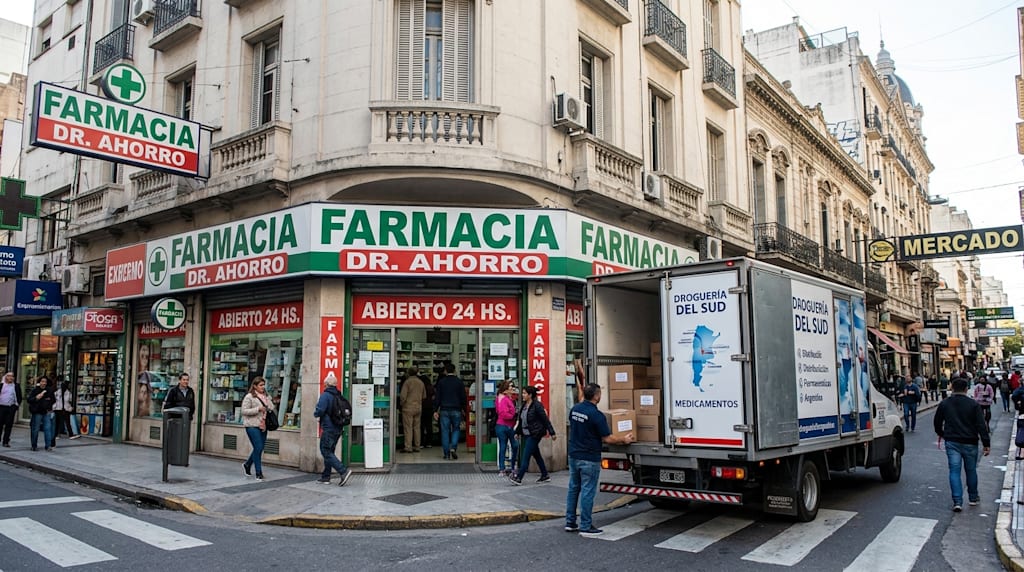
The Argentine pharmaceutical market is in for a period of great change. Supported by regulatory reforms, technological advancements, and a greater emphasis on local production, this key pillar of the nation's healthcare and economy is likely to benefit greatly from increased demand for medicine, with increased local manufacturing power helping to shape its future.
The market in Argentina is expected to increase from a total value of 12.3 billion US dollars in 2025 to a predicted 21.8 billion by 2034, with an annual growth rate (CAGR) of 6.28 percent in the period between 2026 and 2034, according to research from IMARC Group.
Of the various aspects of the market set to fuel this rise, the growth of biosimilars is arguably one of the largest driving forces. With Argentine regulation on biosimilar medicines made much more efficient for manufacturing and authorization, these cost effective alternatives for biologics are likely to become increasingly prominent and allow greater access to medicines.
Furthermore, the development of infrastructure for biotechnology and local production is proving vital to expanding the market. Argentina has the intention to become a major pharmaceutical manufacturer in the region and is backed by initiatives like technology transfer in mRNA and cooperation on various international projects to this end.
The prevalence of diseases requiring longer-term treatment and the rise in infection also have contributed greatly to the increased demand in Argentina, requiring a wider array of drugs and a more diverse selection of therapeutic areas to deal with the diseases involved. The continued focus on cardiovascular, cancer, and metabolic issues require much medication and is a reason behind the rise of both the sale of prescribed drugs and new innovations in medicines.
Economic factors may be currently presenting issues, but in Argentina, they have also helped the pharmaceutical market change and advance. Inflation and pricing pressures has lead to the promotion of the local production and sale of cheaper generic medicines and an increasing focus on production of cost-effective medicine and strategically sound partnerships, helping to improve operational efficiencies, if at the cost of market consolidation.
The market can be divided between biological drugs and pharmaceutical drugs in terms of the goods being sold; both of these categories can be split further into areas such as oncological treatment or cardiovascular issues for pharmaceutical drugs and the use of monoclonal antibodies for biological medicine and vaccination. The range and diversity of this market in Argentina means it has an offering catering for most needs. The two sorts of medicine can also be described as traditional and organic, as concerns over safer and more sustainable practices are likely to continue to increase in importance. Geographically, the market spans across the nation inBuenos Aires, Litoral, Crdoba, Cuyo, Northern, and Patagonia regions; however,Buenos Aires is the leader.
The potential for collaboration in Argentina on a regional level is another element that is helping to shape the pharmaceutical market and grow export opportunities as well, as it intends to provide medicine to many surrounding countries in Latin America.
The latest signs are also very promising, with agreements between international firms and local manufacturers set to bring vaccines and advanced medicines to Argentina to increase health welfare for the people, so this aspect is key in this ever developing market.
A specific point that is important for the Argentine pharmaceutical market is its ability to combine growth with stability. Although the market is struggling to adapt to tough economic conditions in Argentina, innovation is helping to maintain its steady expansion, mainly due to advances in regulation, medicine production, and increased domestic capacity. The future is expected to see steady growth supported by an increased reliance on biosimilars, greater technological advancements in the pharmaceutical market and increasing levels of investment in local production. As the Argentine pharmaceutical industry continues to develop and gain prominence within Latin America, it is well positioned to lead the market for the foreseeable future.
About the Creator
michael matthew
I’m a market researcher passionate about understanding people, markets, and motivations. My work blends data analysis, consumer psychology, and strategic insight to help brands and businesses make informed, human-centered decisions.
Enjoyed the story? Support the Creator.
Subscribe for free to receive all their stories in your feed.
Comments
There are no comments for this story
Be the first to respond and start the conversation.