
Why Sensitive Toothpaste Became One of Oral Care's Fiercest Battlegrounds
A third of adults live with tooth sensitivity — and the industry quietly building around that fact is worth watching.

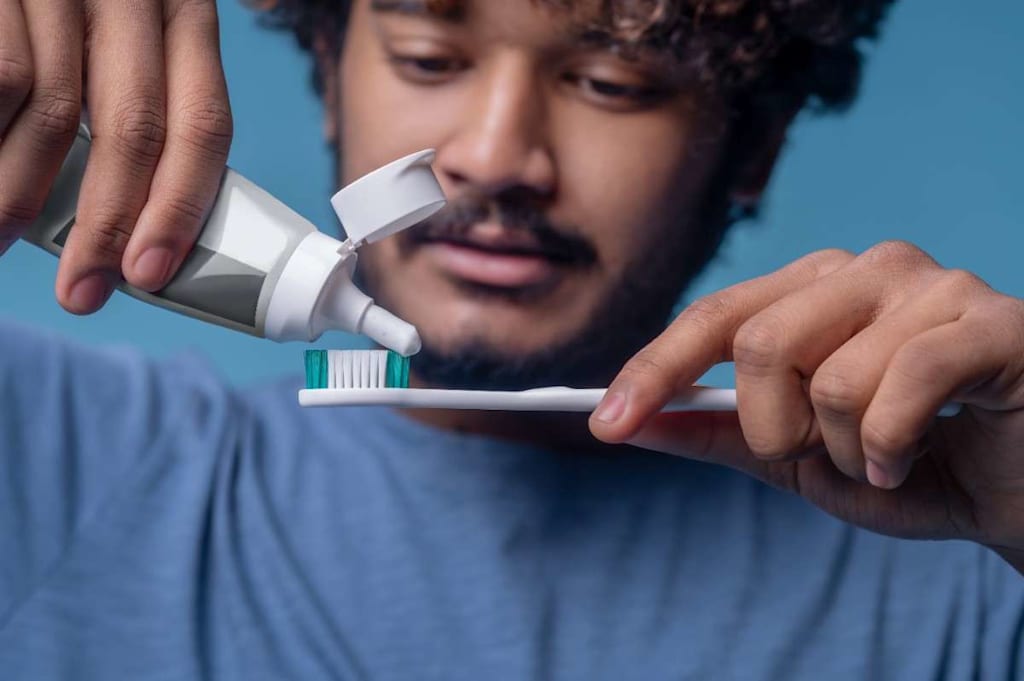
The Quiet Toothpaste Revolution Happening in Your Bathroom Cabinet
For something as mundane as toothpaste, sensitivity-focused oral care has had a surprisingly dramatic decade. Roughly one in three adults reports some degree of tooth sensitivity — that brief but arresting sting from a cold drink or a deep breath of winter air — yet for most of the twentieth century, specialized relief products barely registered as a market category. That has changed substantially. The Sensitive Toothpaste Market is now one of the most actively contested segments in global personal care, shaped by shifting diets, an explosion in cosmetic dentistry, and a generation of consumers who read ingredient labels the way they once read nutritional panels.
If you work in consumer health, retail, or oral care manufacturing, the underlying data behind this shift is worth examining closely. Market.us has published a detailed sample of their sensitive toothpaste industry report that outlines the segment breakdowns and regional forecasts driving current investment decisions.
How a Niche Problem Became a Mainstream Category
Sensitivity toothpaste was, for a long time, a one-brand category. Sensodyne occupied the space almost by default, and most other oral care companies treated sensitivity as a secondary feature rather than a product line worth building around. The shift began when dental professionals started flagging an upstream problem: enamel erosion was no longer primarily an age-related issue.
Acidic beverage consumption — energy drinks, sparkling water with citrus, kombucha — had become routine for younger demographics. Aggressive brushing with hard-bristled toothbrushes compounded the damage. And the popularisation of at-home and in-office whitening treatments left enamel temporarily more porous and reactive. The result was a much younger and larger pool of sensitivity sufferers than the category had historically served, and brands noticed.
Colgate, Oral-B, arm & hammer, and a wave of direct-to-consumer challengers all launched dedicated sensitivity lines within the same five-year window. The aisle that once had two options now has twenty.
The Chemistry That Earns Consumer Loyalty
What keeps sensitive toothpaste buyers unusually loyal — relative to other oral care subcategories — is that the products tend to work, and when they work, switching feels risky. Most formulas use one of two mechanisms. Potassium nitrate penetrates the tooth and calms nerve activity by reducing the ability of nerve fibres to transmit pain signals. Stannous fluoride and compounds like NovaMin take a different approach, physically blocking the microscopic channels — dentinal tubules — that connect the tooth's outer surface to the nerve.
Brands like Sensodyne Repair & Protect have built their positioning entirely around clinical substantiation, which matters in a category where the purchase is effectively a pain-management decision. The consumer isn't choosing a flavour; they're choosing something they believe will reduce discomfort. That dynamic creates a higher bar for trust, but also stronger retention once that trust is established.
Regional Growth Telling Different Stories
The global picture is uneven in instructive ways. North America and Western Europe represent the largest revenue bases, but growth rates are higher in Asia-Pacific markets, particularly India and China, where two forces are converging: rising urban incomes bringing more consumers into the premium oral care segment for the first time, and a rapid expansion of dental clinic infrastructure that is generating post-procedure sensitivity referrals at scale.
Analysts tracking the Sensitive Toothpaste Market size have noted that e-commerce is an important growth channel across all regions — not just because of convenience, but because online retail allows brands to tell ingredient stories and share clinical evidence in ways that physical shelf packaging simply cannot accommodate.
Where the Category Is Heading
The next competitive frontier appears to be combination positioning. Whitening-sensitivity hybrid formulas — addressing two of the most common oral care concerns in a single product — are attracting significant R&D investment. Clean-label reformulations, with reduced artificial additives and more transparent ingredient sourcing, are also gaining traction as consumer scrutiny of personal care products intensifies.
What's clear is that sensitive toothpaste has graduated from reactive remedy to proactive oral health tool. The consumers buying it today are not only treating a symptom; increasingly, they are managing enamel health as a long-term priority — which suggests the category's growth has structural support that won't disappear when one trend cycle ends.
About the Creator
Enjoyed the story? Support the Creator.
Subscribe for free to receive all their stories in your feed.
Comments
There are no comments for this story
Be the first to respond and start the conversation.