
Why Reporting of Sustainability Plays an Important Role in Modern Shipping Operations
Sustainability and its Importance
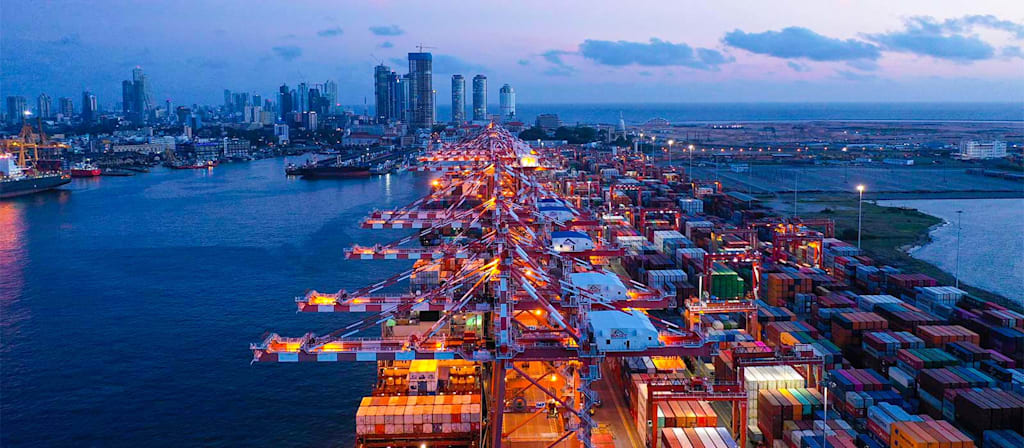
The maritime industry, a vital cog in the global economy, connects the world through its ports, ships, and intricate logistics. As the call for accountability intensifies, regular sustainability reporting has become a key operational component. It allows companies to assess both immediate and enduring effects, foster transparency, and make informed choices in an ever-evolving field.
Fostering Operational Transparency
Sustainability reporting offers a window into a company's operations, illustrating its broader impact. For instance, SAGT Sri Lanka uses it to gauge performance and communicate with stakeholders clearly. In a sector that usually works behind the scenes, visibility matters. Reporting lets companies share information on emissions, energy use, and operational practices. This helps build trust with investors, regulators, and customers. It also supports better internal awareness. When performance is tracked regularly, it becomes easier to spot areas that need improvement. Over time, this leads to better decisions and more consistent results. For port operators and terminal facilities, this level of openness is becoming part of daily operations. It's not just about ticking boxes anymore; it's about demonstrating accountability.
Enhancing Terminal Performance and Efficiency
A global container terminal is a crucial cog in the global trade machine. It manages massive quantities of cargo, all while juggling resources, time, and its overall environmental footprint. Sustainability reporting is a key tool for improving these operations. By tracking energy usage, emissions, and consumption of resources, terminals can identify ways to improve performance. Clear reporting also lets companies compare results across locations. This makes it easier to understand what works well and where changes are needed. As supply chains become more connected, this level of clarity becomes more important. Reporting helps provide a full picture of how goods move and how each stage affects the environment.
Responding To Environmental Challenges
The maritime sector faces increasing pressure to reduce its impact on the overall environment. Shipping contributes to emissions on a global scale, and there are growing efforts to improve efficiency and reduce fuel use. Sustainability reporting helps companies track their progress in this area. By measuring emissions and energy use, they can see where improvements are needed. This also supports industry targets and regulations. Clear data is needed to show progress, and reporting provides that structure.
Investment and Financial Confidence
The maritime industry depends on large investments. Ships, ports, and infrastructure require long-term planning and funding. Investors are now paying closer attention to how companies manage environmental and social issues. Sustainability reporting helps provide the information they need to make decisions. Companies that report these findings in a clear manner are perceived as more reliable than others. They demonstrate an awareness of their influence and readiness for what's ahead. This can open doors to funding and support sustained growth.
Strengthening Governance and Accountability
Sustainability reporting can substantially improve how an organisation is managed. It encourages the setting of clear goals, enables consistent tracking, and cultivates a culture of responsibility. In a global industry, good governance is quite important. Companies need to operate across different regions while meeting various requirements. Reporting helps create a solid structure. It ensures that policies are followed and progress is monitored. For stakeholders, this builds confidence by showing that sustainability is part of how the organisation works every day.
Building Trust with Stakeholders
Trust is important in the maritime sector, especially as more attention is placed on environmental issues. Sustainability reporting helps companies communicate openly. By sharing information, organisations can show how they are improving and where they are focusing their efforts. This helps strengthen relationships with customers, partners, and regulators. It also cultivates lasting partnerships. When businesses operate with openness, they often gain a reputation for dependability.
Data Driven Decision Making
Sustainability reporting also contributes to refining daily operations. Tracking data gives organisations a better understanding of how they use resources. This can lead to more efficient processes and lower costs. It also helps identify areas where changes can make a real difference. Technology plays a role here. Digital tools allow companies to monitor performance and make adjustments more quickly.
About the Creator
Enjoyed the story? Support the Creator.
Subscribe for free to receive all their stories in your feed.
Comments
There are no comments for this story
Be the first to respond and start the conversation.