
Why Parents Are Quietly Rethinking the Organic Baby Shampoo Aisle
Chemical avoidance, pediatrician trust, and thinner skin are reshaping baby care choices.

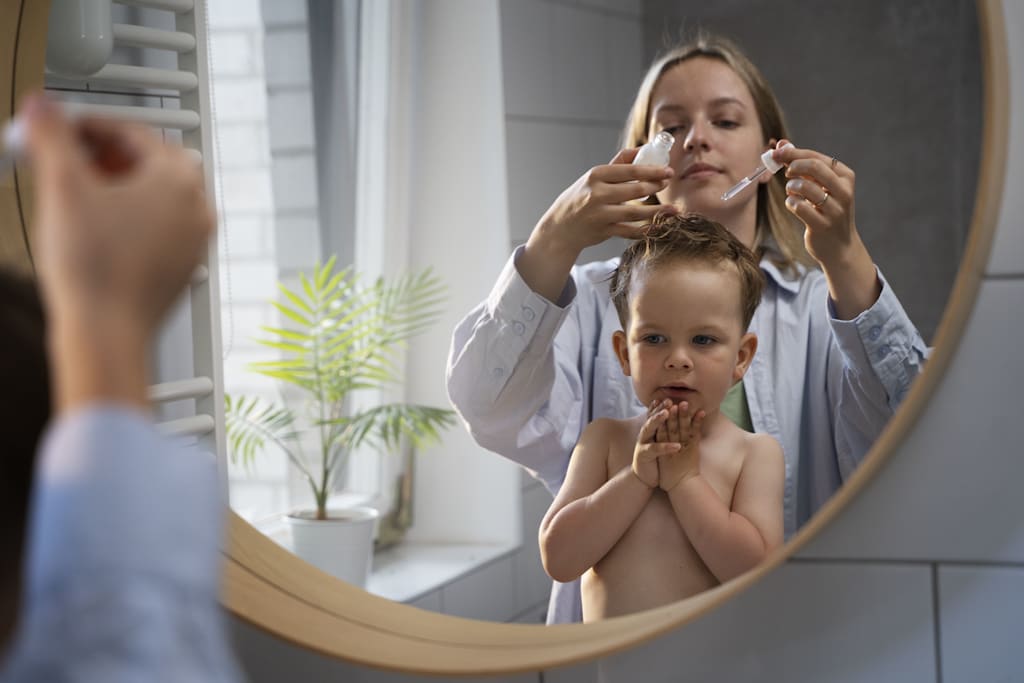
Walk down the baby care aisle today and you'll notice something different from a decade ago: nearly every shelf-facing label now screams "organic," "fragrance-free," or "hypoallergenic." That's not marketing noise — it reflects a real shift in how parents shop. The organic baby shampoo market is projected to grow from USD 371.8 million in 2025 to USD 734.4 million by 2035, expanding at a steady 7.1% annual rate. Behind that number is a quieter story about how millennial parents have started treating bath-time products less like routine purchases and more like health decisions.
If you're curious about how analysts arrived at those projections, the research firm behind this data has made it easy to dig deeper — you can request a free sample report that breaks down regional spending and product preferences in far more detail.
Why "Organic" Stopped Being a Niche Label
A few years ago, organic baby shampoo sat in a small corner of specialty stores. Now it's competing for shelf space in mainstream supermarkets. Part of the reason is physiological: infant skin is roughly 20–30% thinner than adult skin, according to the National Institutes of Health, which means it absorbs more and tolerates less. That single fact has given organic formulations a clinical rationale that goes beyond marketing — every ingredient choice carries real consequences for a baby's skin barrier.
Parental behavior backs this up. Research from the Environmental Working Group found that about 60% of U.S. parents actively avoid parabens, phthalates, and similar chemicals when shopping for baby products. That's no longer a fringe concern; it's become a baseline expectation, and it's pulling demand away from conventional shampoos toward certified organic alternatives.
Regulation Is Quietly Rewriting the Rules
Government policy has played a bigger role in this shift than most parents realize. The European Union has banned or restricted more than 1,300 chemicals from cosmetic products, a regulatory benchmark that's pushing brands operating across both EU and U.S. markets to reformulate or risk losing shelf access. Certification has become less of a compliance hurdle and more of a competitive moat — companies holding EU-compliant or USDA Organic credentials can use that status to justify premium pricing and fend off generic competitors.
This regulatory pressure is one reason the broader organic baby shampoo market has attracted attention from established personal care giants as well as smaller botanical-focused brands trying to carve out loyal niches.
Real Brands Are Already Adapting
This isn't theoretical. In September 2025, The Honest Company launched a dermatologist-tested, fragrance-free 2-in-1 shampoo and body wash under a Disney-branded line, signaling how mainstream baby care companies are folding "clean label" positioning into broader product strategies. A few months earlier, Burt's Bees reformulated its Baby Bee line to use 100% natural fragrances while maintaining dermatologist testing — a move that directly addresses parents who read ingredient labels before checkout.
Pediatricians are reinforcing this trend from another angle. The American Academy of Pediatrics has noted that mild, low-irritant cleansers help protect a baby's skin barrier compared to traditional soap-based products, and pharmacy staff frequently relay that guidance to new parents. That kind of clinical endorsement does more to build brand trust than any advertising campaign could.
Where This Leaves Parents — and the Market
None of this means organic baby shampoo is without friction. Premium pricing remains a real barrier for cost-sensitive households, and supply chains for certified organic botanicals are vulnerable to weather and crop disruptions. But the underlying momentum — chemical-conscious parenting, stricter cosmetic regulations, and pediatrician-backed recommendations — shows no sign of slowing down.
As more parents research ingredients before they ever reach the store, and as e-commerce makes niche organic brands as accessible as supermarket staples, the line between "premium" and "standard" baby care is likely to keep blurring. The next decade probably won't be defined by a single breakthrough ingredient or brand, but by a steady, collective insistence from parents that gentler simply means better.
About the Creator
Hazel Williams
Building, learning, and growing every day.
Enjoyed the story? Support the Creator.
Subscribe for free to receive all their stories in your feed.
Comments
There are no comments for this story
Be the first to respond and start the conversation.