
Why Natural Stone Remains One of the Most Valuable Materials in Modern Construction
Despite rapid technological advancements, granite, marble, and limestone continue to shape the future of architecture through durability, sustainability, and timeless beauty.

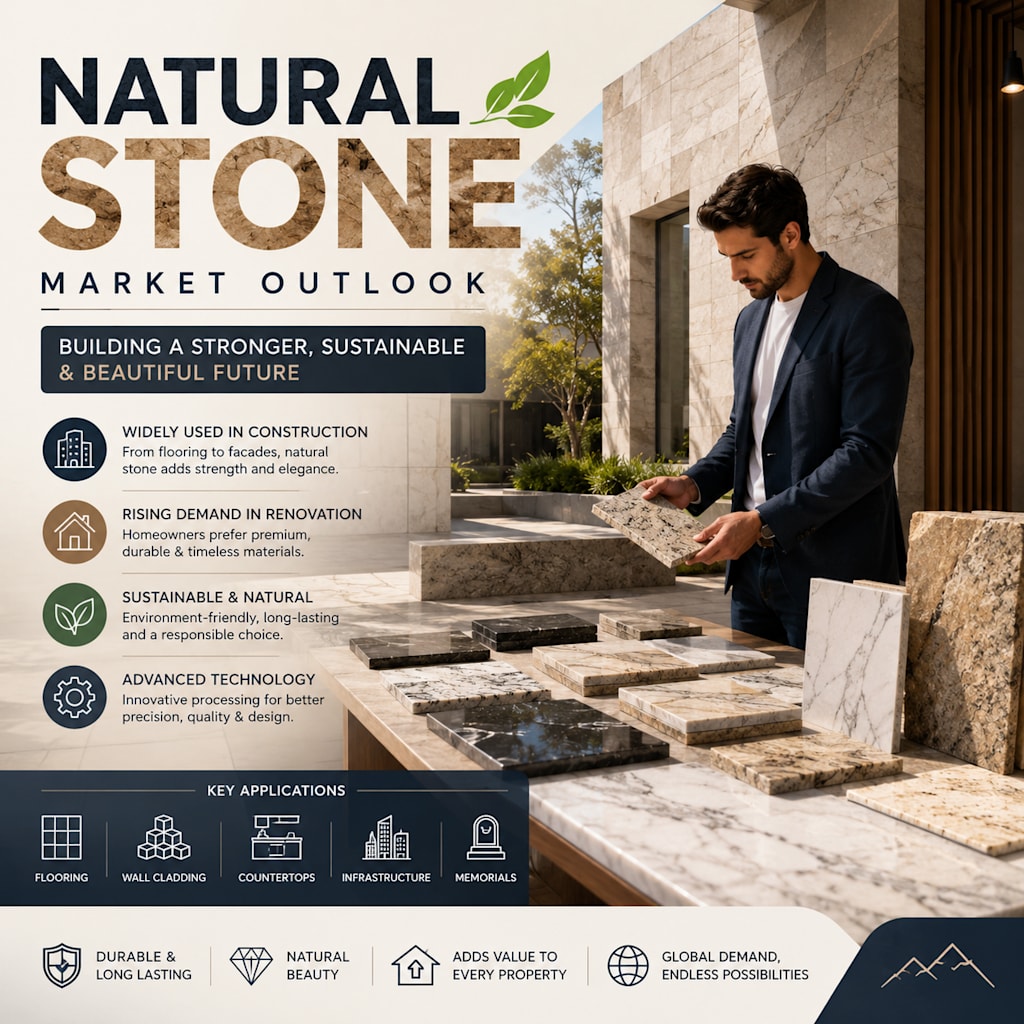
In an age of smart technologies, sustainable materials and modern building innovation, one of the oldest building materials in human history has made a triumphant return.
Natural stone, a material which has shaped civilization for centuries, is seeing a resurgence in construction and interior design. Architects, developers and home owners alike are increasingly turning to natural stone, from luxury homes to public works and hotel and hospitality projects, for its timeless quality, durability, beauty and environmentally sound characteristics. What once might have been seen as an exclusive architectural accent is now central to modern building strategies around the globe.
Global Market Continues to Grow
The global natural stone industry is witnessing a steady expansion as both developed and developing economies continue to bolster construction. Currently valued at an estimated $41.8 billion by 2025, the market is poised for more than $56 billion by 2034. Although modest compared to certain rapidly developing sectors, this steady growth speaks volumes to the enduring power of natural stone in contemporary building and infrastructure. Unlike some building materials which change with fashion trends, natural stone will remain relevant in a home for decades and can add real value and aesthetic appeal throughout its lifetime, allowing homeowners and developers to consider it as a wise and solid investment over long periods of time.
Why Natural Stone Still Holds Relevance
The construction materials of today constantly innovate but natural stone continues to maintain a unique place in the modern building and interior design market for various reasons. Most importantly is its exceptional durability; it can last for centuries without losing its appeal or integrity. This quality makes it ideal for both homes and commercial applications alike. Another appealing aspect of natural stone is its sheer authenticity that many manufactured stones or alternative building materials are unable to match. Unique patterns, textures, and colors will be inherent to each slab, enabling designers and architects a creative range unlike any other material available. As a luxury, unique, premium space has become highly desirable.
The Worldwide Construction boom spurs demand
The rapid expansion of global construction has also had a significant positive impact on the natural stone industry, due to rapid urbanization occurring in both emerging and developed economies. Infrastructure, public facilities, new housing, and intelligent city development are now being driven by government spending across Asia, the Middle East, Africa and Latin America. Natural stone plays an integral part in these types of construction projects, often utilized for:
* Building and Interior flooring
* Façades
* Exterior plazas
* Bridges and retention walls
* Counters and interior surface features
* Landscaping applications
* Hotel and hospitality décor
It is predicted that the global market for natural stone will continue to thrive with increasing investment in public infrastructure.
Homeowners continue investing in luxurious living spaces
The demand for natural stone goes beyond large-scale public and private building construction projects. In fact, it is the home renovation market that is actually providing some of the largest and most immediate opportunities in natural stone sales. Home owners are increasingly willing to invest more into their homes than in any period before, and the bathroom, kitchen, outdoor patio and entertaining areas are now receiving more attention than ever. Granite countertops remain one of the most requested home additions, and marble and limestone flooring are now becoming increasingly popular in luxurious residential builds. Natural stone will not only offer aesthetic appeal and design flexibility but also durability and longevity that homeowners have come to appreciate and demand. It is seen not just as an attractive design feature but also a valuable investment in any home.
Sustainability is reshaping the construction industry
Increasing environmental awareness has become one of the most influential factors shaping the choices we make in the building industry, and this trend benefits natural stone. In stark contrast to many artificial alternatives, natural stone is a naturally occuring product, which is incredibly durable and recyclable after many years of use. Many green building certifications will award points towards sustainability for using natural stone in construction. Moreover, many quarry owners are committed to responsible extraction, recycling water used in the cutting and polishing of stones and using highly efficient production technologies that reduce their carbon footprint.
Technology transforming stone manufacturing
Although natural stone is one of the most ancient building materials available, modern fabrication is far from outdated. High-tech tools such as CNC (Computer Numerical Control) machines, laser-cutting, automated polishing and digital templating are being utilized to produce precise and highly customizable stone products that were previously difficult and expensive to attain. With increasingly advanced technologies, designers and architects are presented with more opportunities to integrate natural stone into the structure and appearance of homes and other buildings than ever before.
Granite continues to dominate the market
In the natural stone market as a whole, granite has continued to establish itself as one of the most popular building materials. The reason behind its overwhelming success lies in its extreme durability, hardness and resistance to scratching and heat. It is used extensively in both residential and commercial construction, most often for kitchens, bathrooms and exterior building cladding, but it can be seen in almost any application one can think of.
Asia-Pacific continues to lead the market
As it has already proved to be in so many different global markets, the Asia-Pacific region is also leading the world in natural stone usage, a testament to the incredible growth within this sector. China is not only a top consumer of natural stone but also a top producer, alongside of the significant stone resources available in India and across the rest of the region. The construction of high-speed rail networks, new housing developments and intelligent city projects in China, along with similar projects elsewhere throughout the Asia-Pacific region, continues to fuel demand for natural stone. As these economies mature, so too do the aspirations of their inhabitants. This region is expected to continue to lead in its usage and production for many years to come.
The United States remains a key market
In addition to the burgeoning market in the Asia-Pacific region, the United States is proving itself to be a vital and highly reliable market for the natural stone industry. Robust housing starts, massive infrastructure investments, and a rising interest in luxury home interior and exterior décor have continued to contribute to an elevated demand for natural stone products. Homeowners are turning to granite and marble for kitchen counters and vanities, limestone for fireplace surrounds and retaining walls, and natural stone for landscaping and exterior architecture. Large public works projects are also expected to provide a substantial amount of additional business to this sector for the foreseeable future.
Challenges persist in the natural stone industry
Even with positive predictions and trends of growth in both construction projects and home renovation, the natural stone industry still encounters some significant hurdles. Increasing competition is a growing concern, due to the emergence of alternative materials like engineered stone, porcelain surfaces, etc., that attempt to replicate the natural beauty of stone. It can be difficult for natural stone to compete in terms of price. Transportation costs, labor shortages and fluctuating price-points may also affect the natural stone sector. With increased focus on environmental concerns regarding quarry operations, companies will need to address these and seek sustainable methods to minimize their impact.
Future of natural stone looks promising
The outlook for the natural stone industry remains exceptionally bright. Driven by the world's ongoing construction boom, growing homeowner interest in luxurious living, and increasing concern for sustainable building practices, the demand for natural stone is set to increase considerably over the next decade and beyond. The enduring combination of natural stone's durability, aesthetic appeal, and eco-friendly qualities places it above many alternative building materials. Though technology will continue to revolutionize the manufacturing and processing aspects of the industry, the primal beauty and fundamental allure of natural stone is unlikely to ever diminish. In a world obsessed with new fads and passing trends, natural stone offers something truly timeless and desirable: permanence.
About the Creator
Robert
Senior Market Researcher at IMARC Group, specializing in global market analysis, industry trends, and data-driven insights across diverse sectors.
Enjoyed the story? Support the Creator.
Subscribe for free to receive all their stories in your feed.
Comments
There are no comments for this story
Be the first to respond and start the conversation.