
Why More People Are Choosing Remote Work Over Traditional Office Jobs
A Simple Guide to Flexibility, Productivity, and Modern Work Life

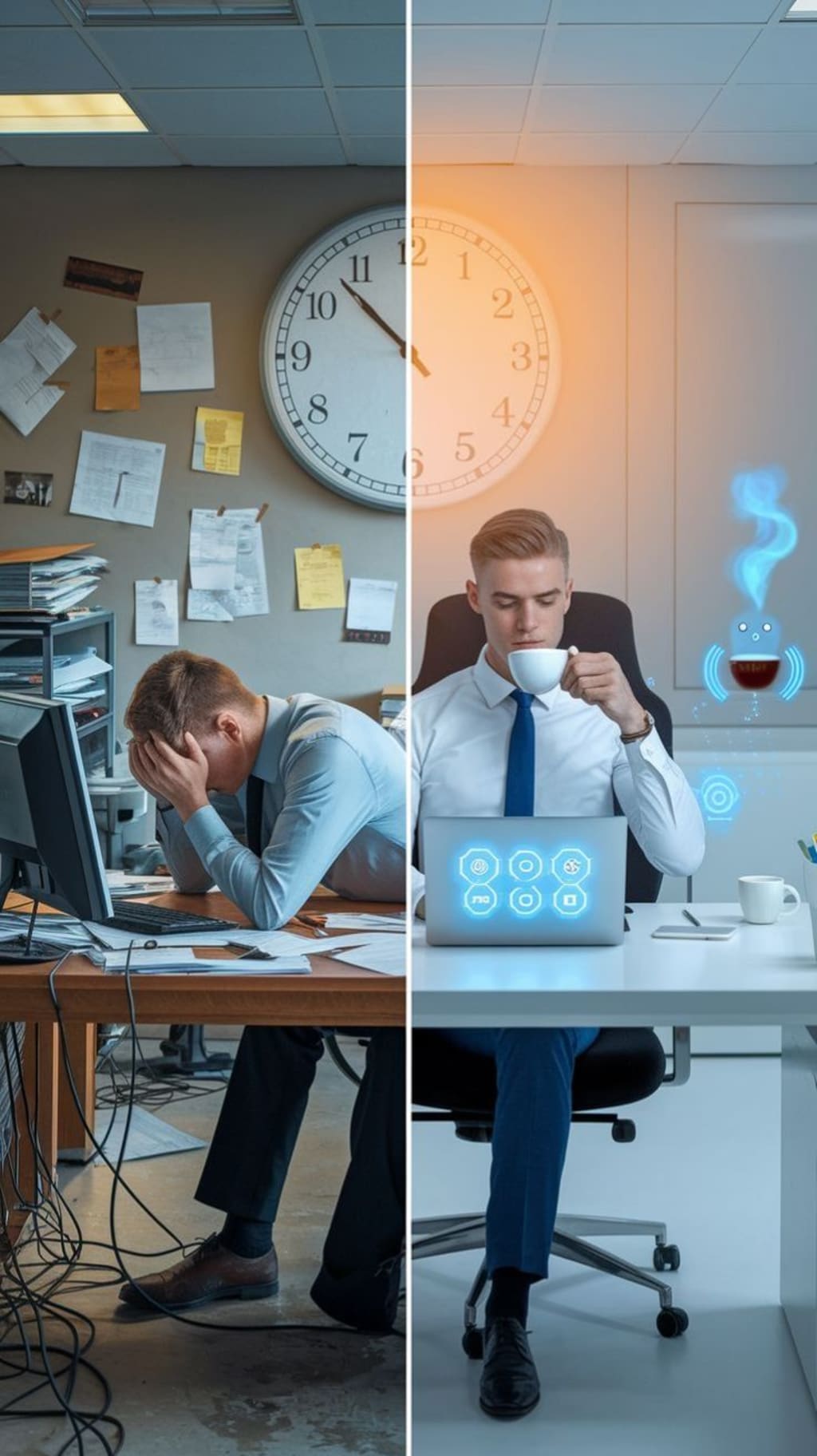
Over the last few years, the way people work has changed dramatically. Many employees who once spent their days in office buildings now work from their homes, coffee shops, or other remote locations.
A common question people ask is simple: why are so many people choosing remote work over traditional office jobs?
The answer involves flexibility, time savings, technology, and changing priorities. But there is also a personal side to the story that many workers discover after making the switch.
This article explains the reasons behind the growing popularity of remote work and what employees should consider before choosing it.
## What Remote Work Actually Means
Before discussing the benefits, it helps to understand what remote work is.
Remote work allows employees to perform their job duties outside a traditional office environment. Instead of commuting to a workplace every day, they use computers, internet connections, and communication tools to complete their tasks.
Depending on the company, remote work may be:
* Fully remote
* Partially remote (hybrid)
* Flexible based on employee needs
The goal remains the same: completing work efficiently while staying connected with the team.
## Why Traditional Office Jobs Can Be Challenging
Office environments offer structure and collaboration, but they also come with certain challenges.
### 1. Daily commuting
Many employees spend a significant amount of time traveling to and from work every day. This can be tiring and expensive.
### 2. Less schedule flexibility
Office jobs often require workers to follow fixed schedules, which may not fit everyone's personal circumstances.
### 3. Additional expenses
Transportation costs, meals, parking fees, and work attire can add up over time.
These factors can affect both productivity and work-life balance.
## Why Remote Work Appeals to Many People
Remote work removes some of the limitations associated with traditional office settings.
### 1. Greater flexibility
Employees often have more control over how they organize their workday.
### 2. Time savings
Without commuting, workers can use that extra time for family, exercise, hobbies, or rest.
### 3. Lower personal expenses
Working from home can reduce transportation and daily spending costs.
### 4. Better work-life balance
Many people find it easier to manage personal responsibilities while maintaining their professional duties.
Because of these advantages, remote work has become an attractive option for employees across many industries.
## What the Employee Experience Feels Like
To understand the difference better, it helps to compare a typical day.
### In a traditional office
An employee might:
* Wake up early
* Commute to work
* Attend meetings in person
* Spend the day in the office
* Travel home after work
### In a remote setting
An employee usually:
* Starts work from home
* Joins meetings online
* Communicates through digital tools
* Completes tasks in a comfortable environment
* Finishes work without a commute
Many workers appreciate the simplicity and convenience of this arrangement.
## A Realistic Example From Employee Experience
One employee spent nearly two hours every day commuting to an office.
After transitioning to remote work, that time became available for exercise, learning new skills, and spending time with family.
What stood out most was not just the convenience, but the improvement in overall quality of life.
This is one reason many professionals continue to prefer remote work opportunities.
## Does Remote Work Reduce Productivity?
Some people worry that employees may become less productive when working from home.
In many cases, productivity depends more on individual habits and company management than on location.
Successful remote workers often:
* Follow structured schedules
* Set clear goals
* Communicate regularly with teammates
* Maintain dedicated workspaces
When these practices are in place, many employees perform just as effectively as they would in an office.
## When Office Work May Still Be Better
Despite its advantages, remote work is not ideal for everyone.
Traditional office environments can still be valuable for:
* Jobs requiring physical presence
* Employees who enjoy face-to-face interaction
* New workers seeking mentorship
* Teams that depend heavily on in-person collaboration
For some individuals, the office provides structure and social connection that they find beneficial.
## What Employees Should Consider Before Choosing
If you are deciding between remote and office work, consider these questions:
* Do I work well independently?
* Do I need a flexible schedule?
* Am I comfortable using digital communication tools?
* Do I prefer working around other people?
* Is avoiding a daily commute important to me?
Your answers can help determine which environment best suits your needs.
About the Creator
MR HONEST
If you enjoy my writings, subscribe so I can create more and you can access exclusive content. Thanks to all of you for supporting me
Enjoyed the story? Support the Creator.
Subscribe for free to receive all their stories in your feed.
Comments
There are no comments for this story
Be the first to respond and start the conversation.