
Why Mexico’s White Cement Market Is Growing With Premium Construction and Heritage Restoration
Mexico’s white cement market is expanding as luxury construction, restoration projects, and precast building trends increase demand for brighter, more design-focused materials.

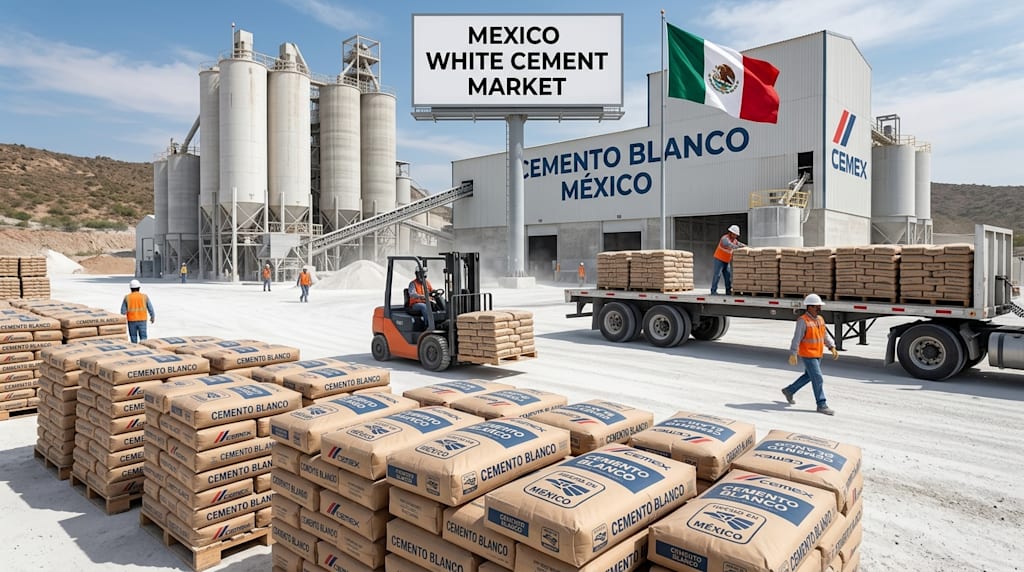
White cement‚ though a specialty cement‚ has more visibility in construction in Mexico than in most of the world․ White cement is considered for structural work as well as aesthetic‚ brightness and decorative use for restoration‚ rehabilitation and preservation of heritage buildings․ This is especially important in projects that will demand more from the materials than the construction process alone․ According to the IMARC Group‚ the white cement market in Mexico was valued at USD 90․61 million in 2024 and is expected to reach USD 125․99 million by 2033‚ growing at a CAGR of 3․73% during 2025-2033․
The proliferation of luxury home and resort development represents this trend․ According to IMARC‚ high-end resorts‚ gated communities and premium residential properties are increasingly using white cement for decorative facades‚ reflective pavements‚ sculpts and most often pool surroundings․ According to that report‚ demand is generated by projects built in the Riviera Maya‚ Baja California and Pacific Coast‚ where developers need finishes with visual impact and which can withstand exposure to full sunlight and humid coastal conditions․
That's meaningful because white cement is often used by architects and builders for its aesthetic qualities as much as for its technical properties․ White cement is better suited to finishes and precast concrete products‚ allowing more expensive construction projects to have a more clean and elegant appearance․ The market is driven by the number of buildings under construction and an increasing demand for the design value that buildings can provide for applications such as luxury lived spaces and tourism‚ based on IMARC's discussion of high-end construction use cases and developer preferences․
The drive for cultural restoration and heritage conservation are also major factors․ According to IMARC‚ governments and private sector establishments have started using white cement for restoring monuments‚ churches and colonial buildings owing to its resemblance to their texture and color along with superior strength and resistant to extreme weather conditions․ This is particularly the case in heritage-rich areas where sustainable heritage work‚ and meeting authenticity requirements‚ must also take account of long term performance characteristics of the materials used․
In Mexico‚ where architecture is valued culturally and as a tourist attraction‚ such a material is more relevant to national heritage architecture and urban regeneration projects‚ where visual authenticity must be preserved alongside resilience․ This makes white cement relevant not only to modern design trends‚ but also to the preservation of existing built environments within Mexican cities․ This is the approach supported by the heritage restoration trends described by IMARC․
A third trend is the rise of precast and modular construction․ According to research firm IMARC‚ developers and contractors are gravitating towards precast construction due to its speed‚ cost effectiveness‚ and design flexibility‚ especially for large residential‚ commercial‚ and infrastructure projects․ The report continues that the use of white cement can provide a decorative finish to precast panels‚ facades‚ columns and decorative elements with reduced finishing and post-application work in densely populated urban regions‚ where urban sprawl has created a need for accelerated construction methods․
The reason is that the market is driven by customary (conservation) building techniques‚ which utilize white cement in sensitive restoration of historic buildings‚ but where white cement is making inroads is in the newer building techniques that save time‚ give greater precision‚ and minimize waste in the construction process․ A material that can serve both ends of the market has real staying power in the face of changes in construction methods‚ as inferred by the IMARC data on restoration demand and precast's adoption․
Sustainability is a factor․ IMARC suggests that white cement's high solar reflectance can reduce urban heat island effect‚ and that it is of interest to projects seeking LEED and other green building accreditation․ This means it is increasingly seen for its visual properties of the material and as a contributor to environmental and performance objectives in building design․
Based on type‚ IMARC divides the global market into white Portland cement‚ white masonry cement‚ and others․ Based on application‚ the market is classified into residential‚ commercial‚ and infrastructure․ Regionally‚ the market is covered across Northern‚ Central‚ and Southern Mexico‚ and others․ This indicates demand in several use cases‚ rather than in an architectural niche․
The market for white Mexico cement is also expanded by requirements for design and cultural preservation applications in luxury construction‚ restoration‚ and highly efficient precast concrete construction․ Because of the increasing aesthetic and technical demands of developers‚ architects‚ and government agencies operating in the Mexican construction market‚ white cement is likely to remain an important specialized building material in Mexico's construction market․ This conclusion is based on IMARC's description of the market drivers and trends․
About the Creator
michael matthew
I’m a market researcher passionate about understanding people, markets, and motivations. My work blends data analysis, consumer psychology, and strategic insight to help brands and businesses make informed, human-centered decisions.
Enjoyed the story? Support the Creator.
Subscribe for free to receive all their stories in your feed.
Comments
There are no comments for this story
Be the first to respond and start the conversation.