
Why Mexico's Shrimp Industry Is Booming in 2026: Key Drivers Explained
Mexico's shrimp market is expanding rapidly as aquaculture innovation, rising seafood consumption, export demand, and healthier eating trends drive industry growth.

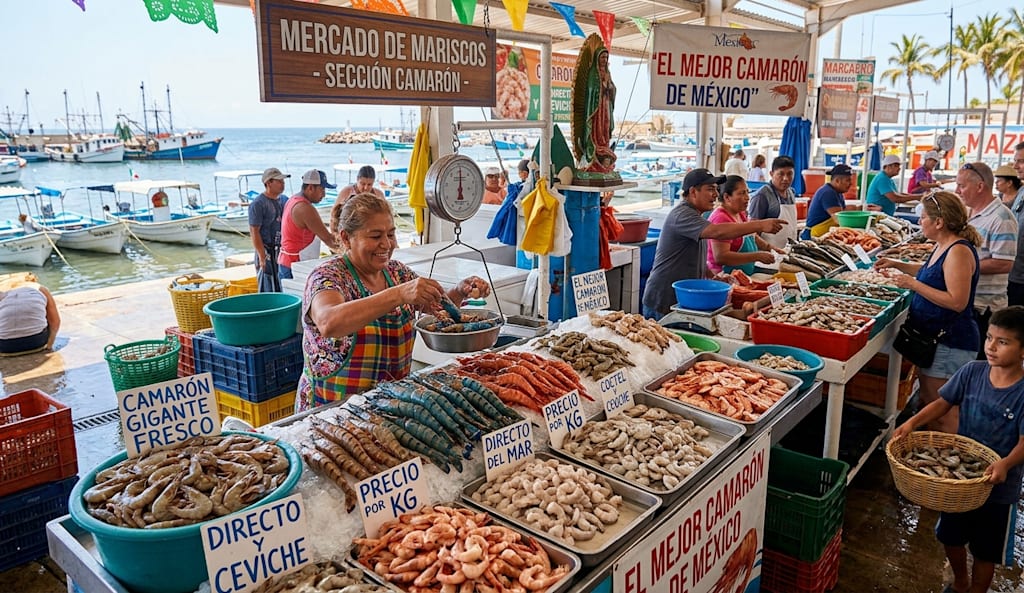
While Mexico has always been a prominent seafood-producing nation in Latin America, one product, in particular, has witnessed remarkable expansion in recent years: shrimp. From restaurant menus and supermarket aisles to the international export market, shrimp has become a food item sought after globally.
In 2026, the Mexico shrimp market is a vibrant industry; driven by robust domestic demand, increasing aquaculture, and expanding export markets, the country is experiencing sustained growth in this specific sector. With consumers seeking high-protein, healthy foods, shrimp is quickly gaining prominence in the Mexican seafood economy.
According to IMARC Group, the market for Mexico shrimp is valued at USD 1.1 billion in 2025 and is anticipated to reach USD 1.6 billion by 2034, experiencing a Compound Annual Growth Rate (CAGR) of 3.5% for the period 2026-2034.
But what is contributing to the boom of the Mexico shrimp market in 2026?
A major driver in the recent surge is increased consumer demand for healthier protein options. Shrimp is naturally rich in protein, as well as vitamins, minerals, and omega-3 fatty acids, all while maintaining a low-calorie and low-fat profile. Consumers are becoming more health-conscious and attentive to the nutritional quality and diet balance, making shrimp an excellent option for households looking for diverse and nutritious meal choices, fueling the growth of demand in retail and food service channels across the country.
The rapid expansion of aquaculture practices has been another significant contributing factor. Once predominantly dependent on wild-caught stocks, modern aquaculture methods have allowed for a more stable and scalable shrimp production environment. Farming operations, prevalent in Mexico's coastal areas like Sinaloa, Sonora, and Nayarit, have begun incorporating advanced breeding strategies, water quality management systems, and effective disease control programs, significantly enhancing productivity and product quality, catering to rising consumer needs efficiently.
A remarkable trend observed in 2026 is the escalating importance of exports. Mexico is reinforcing its presence in global seafood markets with shrimp as one of its most valuable export commodities. High demand from international markets, especially the United States, is driving production and enhancing quality standards. Export growth continues to create numerous opportunities across the entire shrimp value chain, from farming and processing to logistics and distribution.
Technology is undoubtedly playing a critical role in the industry's development. High-tech farms are now incorporating automated feeding equipment, real-time water quality monitors, and sophisticated aquaculture management platforms that streamline operations, improve feed efficiency, and mitigate production risks. The increasing adoption of technology in shrimp farming is a key factor in boosting industry productivity and resilience.
A crucial factor fueling the market's expansion is the improvement in cold-chain infrastructure. Enhanced storage, refrigeration, and transportation capabilities enable shrimp producers to maintain the quality and freshness of their products while serving domestic and international customers more effectively. Advancements in cold-chain infrastructure reduce food waste and expand market reach across the country.
The food service sector also plays an integral role. Restaurants, hotels, and fast-food restaurants continue to introduce innovative shrimp-based dishes, catering to diverse and evolving customer preferences. The growth of dining focused on seafood as well as an influx of tourists have increased the demand for quality shrimp products in both rural and urban settings.
From a market segmentation perspective, the market comprises fresh, frozen, canned, and value-added shrimp products. Frozen shrimp dominates the market due to its prolonged shelf life and suitability for global trade, while fresh shrimp also holds a strong position among consumers who seek high-quality seafood options.
Distribution channels for the shrimp market include hypermarkets and supermarkets, specialized seafood stores, online retailers, and the food service industry. Supermarkets continue to be major distributors of shrimp, whereas online platforms are gaining significant traction as online grocery shopping becomes more widespread in Mexico.
Sustainability has emerged as another significant trend within the shrimp industry. Consumer awareness, along with demands from retailers and international markets, are driving a greater emphasis on responsibly sourced seafood products. Many shrimp producers are investing in sustainable aquaculture practices to reduce their environmental impact while ensuring high production standards, with certification and traceability programs becoming essential for market competitiveness.
Regionally, Mexico's Pacific coast remains a vital center for shrimp cultivation due to its favorable ecological conditions and well-established aquaculture framework. Coastal states continue to invest in production capacity, processing plants, and export-oriented enterprises, all of which are vital for the industry's long-term growth.
Additionally, there is a growing demand for processed and value-added shrimp products such as ready-to-cook shrimp meals or seasoned shrimp, appealing to consumers seeking convenient food options. These products offer producers more opportunities to innovate and capture higher-value market segments.
The success of the Mexico shrimp market in 2026 can be attributed to a confluence of factors: a focus on healthier food choices, expansion of aquaculture, growth in exports, technological advancements, and an increased demand for premium seafood. All of these elements contribute to a stable foundation for sustained industry growth.
Going forward, the market is expected to benefit from continued investment in aquaculture, a surge in export demand, improved production technologies, and rising consumer preference for healthy seafood. Mexico is cementing its position in the global seafood industry, with shrimp emerging as one of its most important and rapidly growing agricultural products.
About the Creator
michael matthew
I’m a market researcher passionate about understanding people, markets, and motivations. My work blends data analysis, consumer psychology, and strategic insight to help brands and businesses make informed, human-centered decisions.
Enjoyed the story? Support the Creator.
Subscribe for free to receive all their stories in your feed.
Comments
There are no comments for this story
Be the first to respond and start the conversation.