
Why Mexico's Seeds Market Is Transforming Under Climate-Adaptive Breeding Demands
Climate change, water scarcity, biotechnology innovation, and sustainable farming initiatives are accelerating demand for climate-adaptive seed varieties across Mexico's agricultural sector.

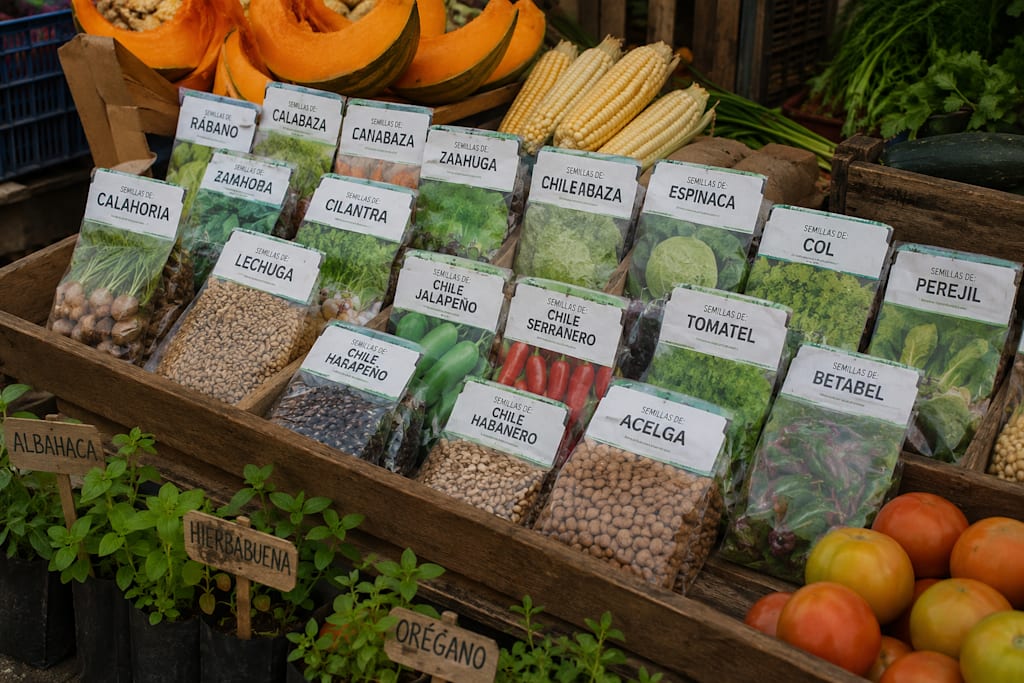
The agricultural industry in Mexico is experiencing a new phase of transformation, where demands for cutting-edge seeds are shifting due to factors such as climate change, food security issues, and evolving agricultural practices. Warmer temperatures, unstable rainfall patterns, decreasing availability of water resources and a growing strain on crop yields will push farmers and agribusinesses to embrace climate-resistant seeds that can withstand challenging environmental circumstances.
According to IMARC Group, the market for seeds in Mexico is projected to grow from USD 557.9 Million in 2025 to USD 645.8 Million by 2034 with a CAGR of 1.56% between 2026 and 2034.
Reasons Climate Change is Impacting the Seeds Market
Climate variability's impact on agricultural production is one of the most prominent driving factors changing the seeds market. The Mexican agricultural sector is facing a variety of problems that include: droughts of extended periods, high temperatures, and inconsistent rainfall, soil degradation, along with greater vulnerability of crops to pest and diseases. Conventional seed types often struggle to yield crops of stable levels in such environments, thereby boosting the demand for climate adaptive seed types.
The Definition of climate-adaptive seed types
Climate adaptive seeds are developed with the purpose of withstanding harsh climatic conditions, while maintaining adequate crop yields and quality. These seeds are either developed using technology or conventional breeding techniques in order to guarantee drought resistance, heat resistance, pest resistance and disease resistance, while enhancing crop productivity with early-maturing types and superior water usage efficiency.
Drought-resilient seed types have a strong demand
Water scarcity represents a severe issue for agriculture in Mexico. Due to higher irrigation costs and an unstable pattern of rainfall, farmers are switching to drought-resilient seeds for a wide range of crops such as maize, wheat, sorghum, soybeans, and different vegetables. These seeds help in keeping the yields at an acceptable level with minimized irrigation.
Growing concern for food security
Increasing population of Mexico as well as the high demand for food will put more pressure on agricultural production. In order to fulfill the needs of the country on a long term basis, the Mexican agriculture industry is focusing on achieving a balance between the demand and production of various foods, increasing the yield capacity and resistance of the crops, and optimal usage of resources along with the implementation of sustainable farming strategies. The adoption of climate-adaptive seeds will become indispensable.
Role of Biotechnology
Biotechnology's advances in the agricultural field is significantly speeding up the process of developing high-yield crop varieties. The newest types of seeds are being developed using selection for genomics, marker-assisted breeding, genetically engineering and selective breeding strategies to boost seed performance.
Sustainable agriculture being a priority
Farmers are prioritizing sustainable agriculture methods for better management of natural resources, with a focus on protecting the environment. Climate adaptive seeds offer a range of advantages such as decreased consumption of water, lesser need for pesticide usage and improvement of soil health, along with efficient usage of inputs, thereby creating a stronger market for new types of seeds.
Expansion of commercial agriculture to aid market growth
In Mexico, the development of commercial farming is experiencing strong growth especially for the export sector. Larger farmers are progressively allocating funds to purchase premium seed varieties with greater quality consistency, high yields, more resistance to climatic issues and greater export competitiveness to gain more benefit from their agricultural production.
Support from the Government and Research Centers
Various governmental institutions and research centers in the country are strongly promoting seed research and climate-adaptive farming strategies to boost agricultural production across Mexico. Their various programs like modernization of agriculture and climate-smart farming will lead to faster adaptation of improved seed types.
Leading Seed Types to Cater Market Demand
- Maize Seeds- Maize is the predominant crop in Mexico that requires drought-tolerant and high-yielding seed types.
- Vegetable Seeds- The increased demand for export vegetables and fresh vegetables is fueling demand for various vegetable seed varieties resistant to diseases.
- Wheat and Grain Seeds- With an aim of improving food security in the country, climate-resilient grain seeds are playing a more significant role in the market.
- Oilseeds- Producers of soy and other oil seeds are progressively adopting higher-yielding seed types with an environmental benefit.
Problems encountered by the Industry
Even though the Mexico seeds market is predicted to thrive, there are some issues that can hamper the market's development. These include high R&D costs for advanced seed types, complex government regulations, issues related to intellectual property rights and farmer affordability in certain regions. However, continuous investment will support market growth on the long term.
Climate-Adaptive Breeding Importance in 2026
The current agricultural market is expecting high demand for climate-adaptive seeds in 2026 due to the increasing climatic instability, growing population's hunger for food and the expanding need for sustainable farming methods to reduce water wastage and improve agricultural yield.
Market Forecast
The prospects of the seeds market in Mexico will continue to remain strong. Investments in biotechnology, sustainable and climate-smart farming practices are estimated to increase the growth rate over the entire forecast period. While the global agricultural sectors continue to adjust to evolving climate pressures, climate-adaptive breeding will have an important function in helping crops overcome difficult growing conditions and support both the food security and competitiveness of Mexican agriculture.
About the Creator
michael matthew
I’m a market researcher passionate about understanding people, markets, and motivations. My work blends data analysis, consumer psychology, and strategic insight to help brands and businesses make informed, human-centered decisions.
Enjoyed the story? Support the Creator.
Subscribe for free to receive all their stories in your feed.
Comments
There are no comments for this story
Be the first to respond and start the conversation.