
Why Mexico Is Adopting Electric Buses Faster Than Expected in 2026
Mexico is accelerating electric bus adoption as cities invest in cleaner transportation, battery technology improves, and government sustainability initiatives drive fleet electrification.

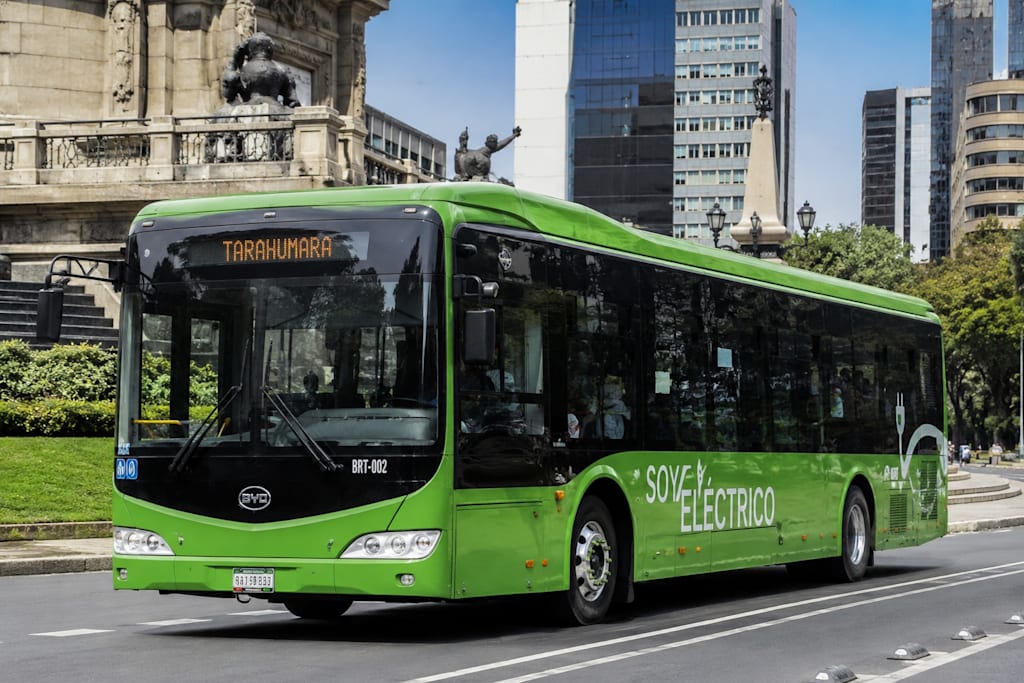
Mexico's public transport landscape is undergoing a major shift, with an increasing number of cities adopting electric buses to tackle urban pollution, improve efficiency and contribute to the country's sustainability targets. Thanks to a combination of government initiatives, technological progress and mounting environmental consciousness, electric buses are rapidly becoming a key part of Mexico's transportation future.
The electric bus market in Mexico is anticipated to reach USD 852.4 Million by 2034 from USD 234.8 Million in 2025, growing at a CAGR of 14.94% during 2026-2034, as per IMARC Group.
Growing emphasis on sustainable urban mobility:
One of the key reasons behind the quick rise of electric buses in Mexico is the increasing focus on reducing greenhouse gas emissions and boosting air quality in the major cities. Cities like Mexico City, Guadalajara, and Monterrey are investing heavily in more environmentally-friendly public transit systems to combat pollution and fulfill environmental regulations.
Electric buses emit no tailpipe emissions and have emerged as a desirable option for the densely populated urban environments, where air quality has become a growing concern.
Government support:
Policies and programs initiated by the Mexican government have played a critical role in accelerating the deployment of electric buses in the country. Through substantial infrastructure investments, electrification plans, and strict environmental regulations, both federal and local governments are prompting transit agencies to adopt cleaner technologies.
As cities continue to work towards long-term climate objectives, electric buses are at the forefront of urban transportation modernization efforts.
Battery technology improvements:
Significant progress in lithium-ion battery technology has now made electric buses more viable and cost-effective than ever before. Modern electric buses offer enhanced range, reduced charging times, improved battery life, and lower maintenance requirements, helping transit agencies effectively transition from traditional diesel buses without compromising operational efficiency.
Lower operating costs:
Despite a potentially higher initial purchase price, electric buses present substantial long-term savings. Compared to their diesel counterparts, electric buses entail reduced fuel expenditures, minimal maintenance costs due to fewer moving parts, and higher energy efficiency, all of which contribute to a favorable total cost of ownership for transit agencies.
Expansion of charging infrastructure:
Growth in charging infrastructure is another crucial factor driving market expansion. Through public and private investments, the availability of charging stations in urban areas is rapidly increasing, making it easier for municipalities and transit agencies to adopt electric buses.
Smart city development initiatives are boosting electrification:
The development of smart city concepts and applications is providing new opportunities for the integration of electric buses into Mexico's smart transportation ecosystems. Electric mobility supports goals of connected transit, real-time fleet management, energy efficiency, and urban congestion reduction.
Public demand for clean transportation:
With increasing consumer awareness of the environmental impact of traditional vehicles, there is a growing public demand for greener transportation options. Consumer support for sustainable transport solutions encourages local governments and transit authorities to expedite investments in electric mobility.
Challenges persist:
Although market adoption is growing at a fast pace, some challenges that might affect the adoption rate of electric buses in Mexico are:
The high initial acquisition cost of the vehicles
- The investment needed for expanding charging infrastructure
- Grid capacity concerns
- Battery recycling and supply chain issues
Nonetheless, technological advancements and government support programs are expected to help mitigate these concerns in the coming years.
The future of Mexico's electric bus market:
Mexico's electric bus sector looks very bright due to rising urbanization, government sustainability aims, advancements in battery technology, and increasing investment in the nation's public transport infrastructure. As cities transition towards a greener and more effective public transportation system, electric buses are set to be the future of mobility in Mexico.
About the Creator
michael matthew
I’m a market researcher passionate about understanding people, markets, and motivations. My work blends data analysis, consumer psychology, and strategic insight to help brands and businesses make informed, human-centered decisions.
Enjoyed the story? Support the Creator.
Subscribe for free to receive all their stories in your feed.
Comments
There are no comments for this story
Be the first to respond and start the conversation.