
Why India’s Steel Industry Is Entering a New Growth Phase
Exploring how urbanization, infrastructure investment, sustainable steel production, and industrial growth are transforming India’s steel industry.

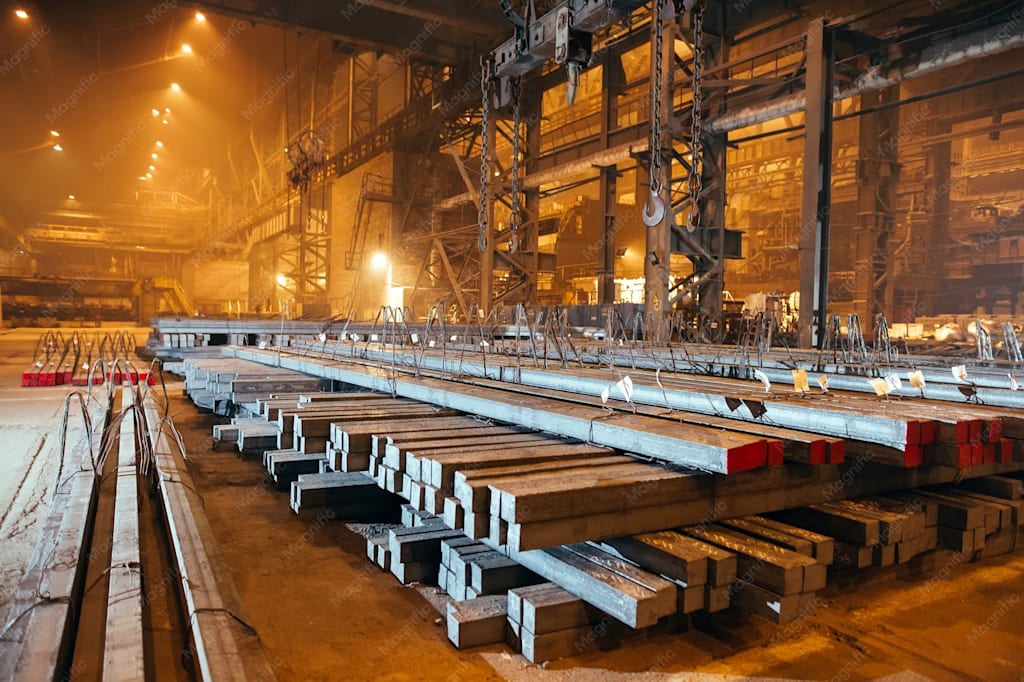
India's Steel Industry Enters a New Era of Growth
India's steel sector is experiencing a period of rapid evolution. Traditionally known as a backbone industry for manufacturing and construction, steel is now playing an even greater role in supporting the country's infrastructure goals, industrial ambitions, and economic development plans. With major investments flowing into transportation networks, housing projects, urban infrastructure, and manufacturing facilities, demand for steel continues to grow across multiple industries.
Today, India ranks among the world's leading steel-producing nations, and the industry is expected to maintain steady momentum in the coming years. Growing infrastructure requirements, technological advancements, sustainability initiatives, and rising industrial activity are collectively shaping a new chapter for the country's steel market.
India Steel Market Overview and Future Outlook
The Indian steel market reached approximately 153.4 million tons in 2025 and is projected to expand to nearly 220.5 million tons, with a compound annual growth rate (CAGR) of 5.95% during 2026-2034. This growth is supported by rising domestic consumption, continued industrial development, and government-backed infrastructure investments.
Steel remains an essential material across several key sectors, including:
- Construction and real estate
- Railways and transportation
- Automotive production
- Engineering and heavy machinery
- Renewable energy projects
- Defence and aerospace manufacturing
As these industries continue to grow, demand for steel products is expected to remain strong throughout the forecast period.
Key Factors Driving India's Steel Market Growth
Several long-term trends are contributing to the expansion of the steel industry in India.
Infrastructure Development Remains a Major Growth Engine
One of the biggest contributors to steel demand is the country's ongoing infrastructure expansion. Large-scale projects involving highways, bridges, airports, metro systems, industrial corridors, and logistics parks require significant quantities of steel.
Government-led infrastructure programs are creating consistent demand while also encouraging private-sector investments in commercial and industrial construction.
Manufacturing Expansion Is Supporting Demand
India's push to strengthen domestic manufacturing capabilities is creating new opportunities for steel producers. As industries expand production capacity and establish new facilities, the need for flat steel, structural steel, and specialty steel products continues to increase.
The growth of sectors such as automobiles, engineering, consumer goods, and industrial equipment is further reinforcing steel consumption across the country.
Urbanization Is Reshaping Construction Demand
Rapid urban growth is transforming India's infrastructure needs. As cities expand and new urban centers emerge, demand for residential housing, commercial buildings, transportation systems, and public facilities continues to rise.
This shift is creating sustained demand for construction-grade steel and supporting long-term market growth.
How Infrastructure Projects Are Increasing Steel Consumption
Infrastructure remains one of the largest consumers of steel in India. Several ongoing and planned projects are expected to drive demand over the coming years, including:
- National highway development programs
- Metro rail expansion projects
- Railway modernization initiatives
- Dedicated freight corridors
- Smart city developments
- Industrial and economic corridors
- Port infrastructure upgrades
These projects rely heavily on structural steel, reinforcement bars, steel plates, beams, and other construction materials. As infrastructure spending continues to rise, steel consumption is expected to increase alongside it.
Urbanization and Its Impact on Steel Demand
The country's growing urban population is creating new opportunities for steel manufacturers. Expanding cities require large-scale investments in housing, commercial properties, healthcare facilities, educational institutions, logistics hubs, and public utilities.
Key areas generating steel demand include:
- Residential housing projects
- Office buildings and business parks
- Shopping centers and mixed-use developments
- Hospitals and educational campuses
- Warehousing and logistics infrastructure
- Public transportation systems
Population growth and rising household incomes are further strengthening demand across these categories.
The Growing Connection Between the Automotive Sector and Steel Demand
The automotive industry remains one of the most important consumers of steel products in India. Modern vehicles depend on a variety of steel grades that provide durability, safety, and performance.
Common applications include:
- High-strength steel components
- Galvanized steel sheets
- Cold-rolled steel products
- Lightweight structural materials
The shift toward electric vehicle production is also creating demand for advanced steel products used in battery systems and vehicle structures. As automotive manufacturing continues to evolve, steel producers are adapting their offerings to meet changing industry requirements.
The Rise of Green Steel Manufacturing in India
Sustainability has become a major focus area for the global steel industry. Traditional steelmaking processes are energy-intensive and contribute significantly to carbon emissions. In response, Indian steel companies are investing in cleaner and more sustainable production technologies.
Key initiatives include:
- Carbon reduction programs
- Renewable energy integration
- Hydrogen-based steelmaking research
- Energy-efficient manufacturing systems
- Sustainable production practices
Green steel is increasingly viewed as an important area of future growth, particularly as global buyers place greater emphasis on environmentally responsible sourcing.
Electric Arc Furnaces Are Transforming Steel Production
The adoption of Electric Arc Furnace (EAF) technology is gaining momentum across India's steel industry. Unlike conventional blast furnaces, EAF systems can use recycled steel scrap as a primary input.
Advantages of this technology include:
- Lower greenhouse gas emissions
- Improved energy efficiency
- Reduced dependence on imported raw materials
- Greater operational flexibility
Growing scrap availability and industry modernization efforts are expected to accelerate EAF adoption in the coming years.
Specialty Steel Is Creating New Growth Opportunities
India is placing greater emphasis on expanding domestic production of high-value specialty steel products. These materials are essential for several advanced industries and are often used in applications requiring superior performance characteristics.
Examples include:
- Electrical steel
- Stainless steel
- Alloy steel
- High-strength steel
- Specialized rail products
These products support industries such as automotive manufacturing, renewable energy, electrical equipment, aerospace, and defence production. Government initiatives and technological investments are helping local manufacturers strengthen their capabilities in these areas.
Product and Application Trends in the India Steel Market
Flat Steel Continues to Lead Demand
Flat steel products account for a significant share of the market and are widely used in:
- Automobile manufacturing
- Household appliances
- Roofing applications
- Industrial machinery
- Construction projects
Structural Steel Remains Essential for Development
Structural steel continues to play a central role in infrastructure and commercial construction projects.
Major applications include:
- Buildings and commercial complexes
- Bridges and flyovers
- Metro rail systems
- Industrial facilities
- Warehousing infrastructure
Construction Continues to Dominate Steel Consumption
The construction sector remains the largest consumer of steel in India. Demand is supported by:
- Affordable housing initiatives
- Commercial real estate projects
- Industrial construction activities
- Public infrastructure investments
Regional Insights: Key Steel-Producing and Consuming Regions
West and Central India
This region accounts for a major share of steel production and consumption due to strong industrial activity, automotive manufacturing hubs, and established production facilities.
North India
North India continues to witness growing demand driven by infrastructure projects, urban development, and industrial expansion.
South India
The region benefits from a combination of automotive manufacturing, technology-driven industrial growth, port infrastructure, and urbanization.
East India
East India remains one of the country's most important steel-producing regions thanks to its rich iron ore reserves, integrated steel plants, and established industrial ecosystem.
Competitive Landscape by IMARC Group
India's steel industry is driven by a combination of large integrated steel manufacturers, public-sector enterprises, and specialized producers that cater to diverse industrial requirements. These companies play a vital role in supplying steel for infrastructure projects, construction activities, automotive production, engineering applications, renewable energy installations, and transportation networks across the country.
Key Companies Shaping India's Steel Industry
- Tata Steel
- JSW Steel
- Steel Authority of India Limited (SAIL)
- Jindal Steel & Power (JSPL)
- AM/NS India
- Rashtriya Ispat Nigam Limited (RINL)
Challenges Facing India's Steel Industry
While the industry outlook remains positive, several challenges continue to affect market participants.
Raw Material Price Volatility
Manufacturers must navigate fluctuations in:
- Coking coal prices
- Energy costs
- Transportation expenses
Competition from Imports
Lower-cost steel imports can create pricing pressures and impact domestic profitability.
Logistics and Supply Chain Constraints
Transporting raw materials and finished products across long distances can increase operational costs and affect efficiency.
Addressing these challenges will be important for maintaining competitiveness in both domestic and international markets.
Looking Ahead: The Future of India's Steel Market
India's steel industry is expected to remain a key contributor to the country's economic and industrial development through 2034. Continued investments in infrastructure, manufacturing, transportation, housing, and renewable energy projects are likely to support steady demand growth.
At the same time, advancements in green steel production, specialty steel manufacturing, and modern production technologies are helping the sector prepare for future opportunities. As India strengthens its position as a global manufacturing and infrastructure powerhouse, steel will continue to play a vital role in shaping the nation's growth story.
Note: If you require specific details, data, or insights that are not currently included in the scope of this report, we are happy to accommodate your request. As part of our customization service, we will gather and provide the additional information you need, tailored to your specific requirements.
Source
Market statistics, industry forecasts, and segment insights referenced in this article are based on publicly available research and industry analysis published by IMARC Group's India Steel Market study. This article presents an independent editorial summary of the market and industry trends.
About the Creator
Khushi Soni
I explore markets, analyze trends, and turn research into meaningful content. I write to simplify complex insights for curious readers.
Enjoyed the story? Support the Creator.
Subscribe for free to receive all their stories in your feed.
Comments
There are no comments for this story
Be the first to respond and start the conversation.