
Why Ice Makers Are Becoming a Must-Have in Homes and Businesses
From restaurants to smart kitchens, rising demand and changing lifestyles are driving steady growth in the global ice maker market

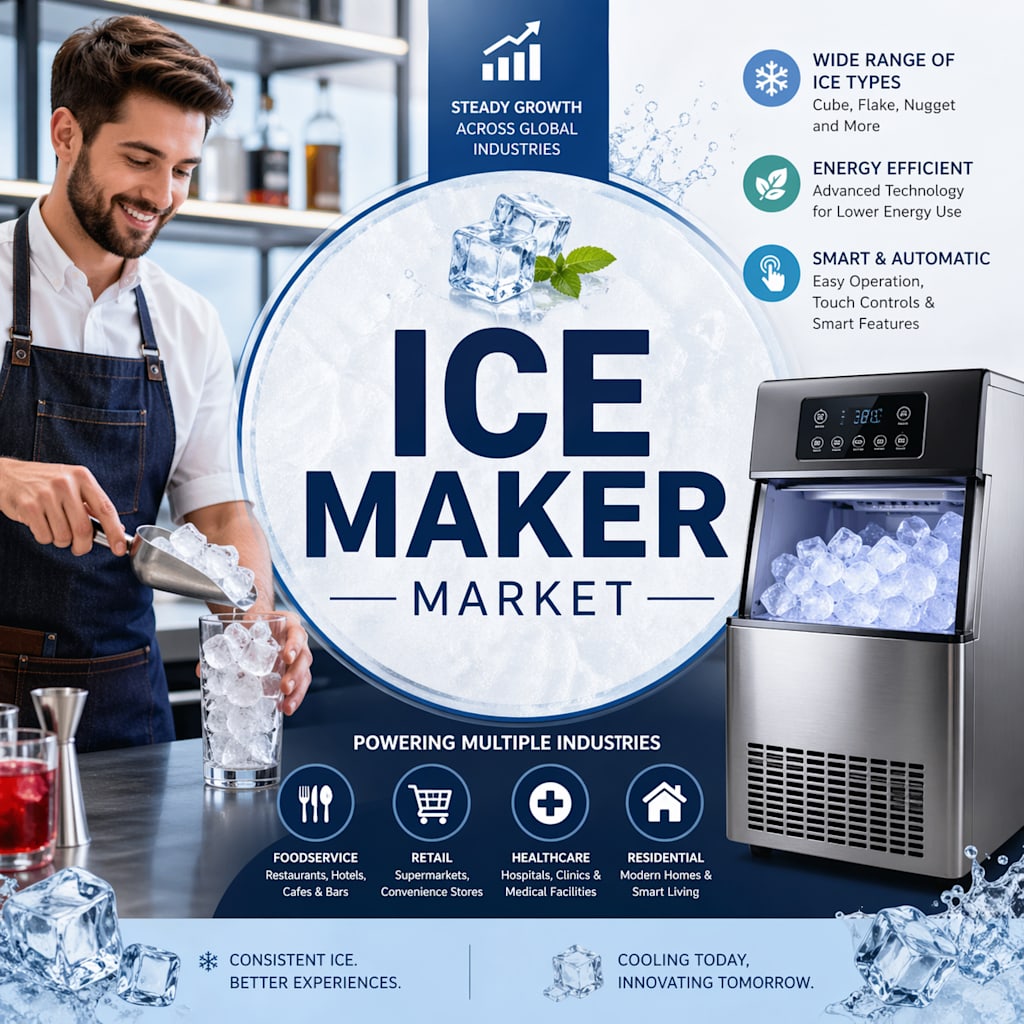
Once a luxury for most people‚ reserved for drinks during a hot day‚ at some point ice became a necessity‚ found in restaurants‚ hospitals‚ homes‚ and convenience stores around the world․
Behind this daily convenience is a global industry that is evolving faster than you might think․
The demand for ice makers is expected to continue gaining momentum in the coming years due to changing consumer lifestyles‚ rising temperatures‚ and the need for efficient machines in commercial and residential sectors․
A Market Growing with Everyday Demand
According to estimates‚ the global ice maker market size was valued at USD 5․5 billion in 2025 and is anticipated to reach USD 7․6 billion by 2034․
It is a simple‚ basic fact that leads to an average annual increase of about 3․7%: ice is no longer optional․
Ice has become so essential that it is used in drinks in cafes‚ and for food preservation in shops and hospitals․
The Role of Food and Beverage Culture
The global growth of the foodservice industry is one of the largest drivers of this market․
Restaurants and bars‚ cafes and hotels‚ for instance‚ all use ice every day to keep drinks cold and food fresh‚ or as part of the presentation of the food itself․
The growing popularity of:
- Cold brew coffee
- Mocktails and cocktails
- Smoothies and iced beverages
has greatly increased the demand for reliable ice-making equipment․
Urbanization has also meant that consumers are increasingly more willing to spend on food and experiences‚ creating indirect demand for ice makers․
Not Just Restaurants: Expanding Use Across Industries
Foodservice applications‚ while driving demand for ice makers‚ are only one of numerous markets․
Healthcare facilities may also need ice for their patients‚ medical storage‚ and other medical purposes; thus‚ ice machines producing high quality‚ sanitary ice are needed in the industry․
Retailers and supermarkets use ice to help preserve food products such as seafood and produce․
Compact ice makers have appeared recently in offices and convenience stores for employee and customer convenience․
This diversification of usage is one of the chief reasons that the market has continued to grow․
Smart and Automated Appliances Are Taking Over
Consumer expectations are changing rapidly‚ and appliances are becoming smarter․
Modern ice makers have the following features:
- Mobile app control
- Energy-saving modes
- Self-cleaning systems
- Touchless dispensing
The convenience‚ efficiency and hygiene are seen as three priorities for consumers in the modern world․
With the rise of smart homes‚ residential buyers have shown interest in compact and countertop ice makers that match modern kitchens․
Unlikely Role Played by Climate Change
Climate change is an unexpected factor in the ice maker market․
As temperatures rise in many parts of the world‚ and demand for beverages and cooling equipment increases‚ natural ice has become less available in some areas․
In many locales‚ the ice maker is now a daily necessity‚ rather than just a convenience․
These environmental changes have also forced manufacturers to create machines that are more energy efficient to reduce their carbon footprint․
The Push for Hygiene and Regulations
Food safety and hygiene standards are being tightened․
Food and hospitality businesses are required to follow certain practices in the storage‚ handling and production methods of food‚ including the production and storage of ice․
This has increased the demand for:
- Certified ice-making equipment
- Machines with easy cleaning systems
- Units designed to reduce bacterial presence
Businesses now want quality ice makers to ensure operations run smoothly and public health and safety are maintained‚ as well as the business's reputation․
Which types of ice makers are dominant?
Not all ice is created equal‚ and this is shaping the market in interesting ways․
Ice cube makers are by far the most popular type of ice makers at present‚ used in commercial and domestic applications worldwide․
At the same time‚ specialized types of ice are growing:
- Nugget ice for beverages
- Flake ice is often used to display food
- Gourmet ice for premium cocktails
This wider variety is creating pressure on manufacturers to develop more customized solutions․
Regional Growth: Where Demand Is Strongest
It is led by North America due to the size of its foodservice industry‚ higher per-capita spending‚ and a preference for convenience appliances․
The United States is the biggest market‚ with common usage in restaurants and hospitals and in homes․
Demand in the Asia-Pacific region is currently on the rise‚ with a rapidly urbanizing population‚ a developing retail sector and rapidly rising disposable incomes in India and China․
In other regions‚ such as Europe and the Middle East‚ market growth is steady due to improvements in infrastructure and living standards․
Innovation Is Driving Competition
The ice maker market is becoming increasingly competitive‚ and companies are developing new features to differentiate products․
Manufacturers are investing in:
- Energy-efficient technologies
- Eco-friendly refrigerants
- Faster ice production systems
- Smart connectivity features
Some brands even make premium versions that can produce large amounts of ice in only a few minutes‚ making them suitable for commercial use․
Challenges That Could Impact Growth
The market continues to grow‚ but faces several challenges․
Energy consumption is a key factor in areas with strict environmental regulations‚ and manufacturers must balance performance with sustainability․
There is also growing competitive pressure between brands‚ which in turn drives innovation․
As such‚ the industry is looking to reach higher standards‚ technology‚ and sustainability with solutions․
Looking Ahead
The future of the ice maker market depends on changing lifestyles‚ climate and advancements in technology․
As consumer demand for efficiency‚ sanitation‚ and convenience continues to grow‚ so too will the presence of ice makers in homes as well as workplaces and residential locations․
By 2034‚ the market is expected to exceed USD 7․6 billion‚ with slow and steady growth․
From simple appliance‚ it is now a ubiquitous and evolving element of modern life‚ enabled by smart features․
About the Creator
Robert
Senior Market Researcher at IMARC Group, specializing in global market analysis, industry trends, and data-driven insights across diverse sectors.
Enjoyed the story? Support the Creator.
Subscribe for free to receive all their stories in your feed.
Comments
There are no comments for this story
Be the first to respond and start the conversation.