
Why Global Trade Depends on Strong Supply Chain Networks
What It Is, Importance, and Challenges
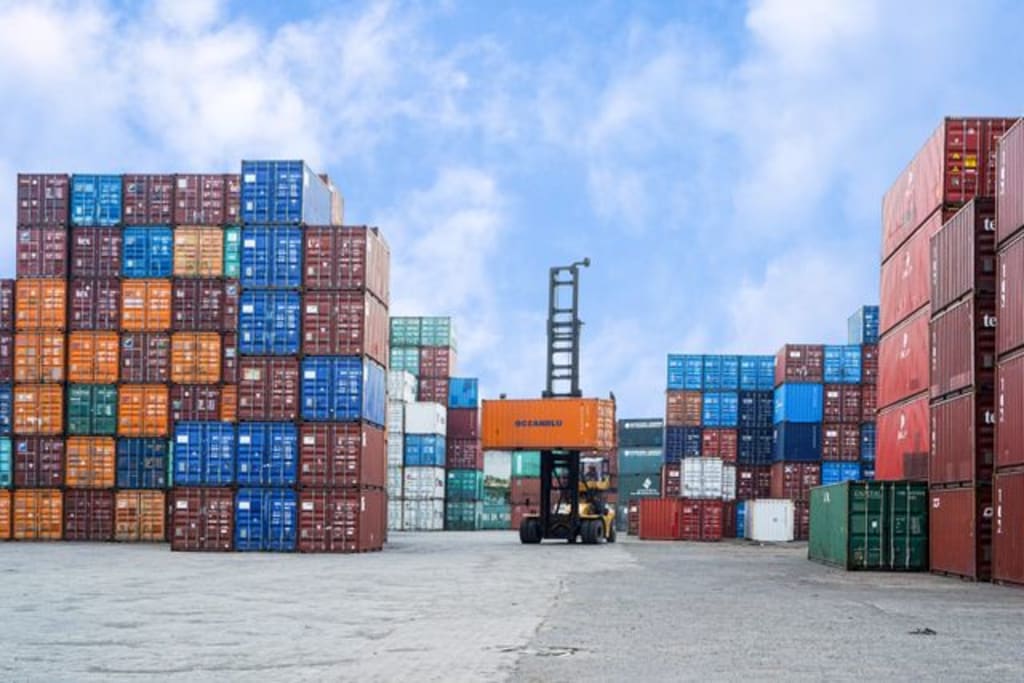
Modern businesses rely on fast, organised supply chains to keep products moving efficiently across local and global markets. Managing sourcing, transportation, warehousing, and delivery separately can create delays, rising costs, and communication gaps. End-to-end supply chain solutions connect these operations into one coordinated system, helping businesses improve visibility, efficiency, and flexibility.
Bringing Supply Chains Together
End-to-end supply chain solutions bring every part of logistics and operations into one connected process. Instead of managing procurement, transportation, warehousing, inventory, and delivery separately, businesses coordinate these functions through shared systems and real-time information. In the past, many companies relied on disconnected logistics structures where different providers handled separate stages of operations. Today, businesses are moving towards more connected systems that allow information to move smoothly between suppliers, warehouses, shipping providers, and customers. Companies working with Advantis benefit from coordinated logistics that improve communication across the supply chain and help them respond more effectively to changing market demands. The growing demand for bulk cargo handling has also increased the importance of connected logistics systems. Businesses managing large shipments require careful coordination between ports, transportation providers, storage facilities, and distribution centres.
Why Visibility Matters More Than Ever
Supply chains have become more intricate over the past decade, with businesses operating across multiple countries and managing a network of suppliers, warehouses, transport providers, and customers worldwide. Limited visibility can turn small disruptions into major issues for the entire operation. End-to-end supply chain solutions improve transparency by enabling shipment tracking, inventory oversight, and early identification of problems, allowing for quicker responses to delays, shortages, or disruptions. Customer expectations now emphasise faster deliveries, accurate tracking, and dependable fulfilment, areas where disconnected systems often fall short. In bulk cargo industries, visibility is even more crucial for coordinating schedules, customs, warehouses, and transportation-connected systems, which help reduce delays and enhance efficiency. Unpredictable challenges like weather, shipping delays, labour shortages, and shifting regulations highlight the need for better visibility to support faster decision-making.
How Technology Is Changing Logistics
Modern supply chain management now relies heavily on technology, with digital systems vital for overseeing extensive logistics networks in today’s dynamic business landscape. Warehouse management systems coordinate inventory, monitor storage capacity, and improve order accuracy, while transportation management platforms handle route planning, shipment tracking, and delivery scheduling. These tools enable smooth information exchange across operations. Connected supply chain systems provide real-time visibility, allowing businesses to track inventory movement, warehouse activities, and delivery progress from a single platform, which facilitates quick adaptation to changing conditions. Automation enhances logistics through barcode scanning, automated sorting, robotics, and digital tracking, increasing speed and reducing manual errors. Additionally, predictive analytics and artificial intelligence help forecast demand and address disruptions proactively. Cloud-based logistics solutions improve communication among suppliers, logistics providers, and customers by offering instant access to updated information across various departments and locations, replacing outdated, siloed systems.
Handling Supply Chain Challenges More Efficiently
Risk management has become a top priority for businesses with global supply chains, as shipping delays, weather disruptions, labour shortages, geopolitical tensions, and evolving regulations can all impact logistics. End-to-end supply chain solutions help you manage these challenges by connecting systems that issue early warnings of disruptions. Businesses can monitor supplier activity, transport schedules, inventory levels, and delivery timelines in real time, allowing quicker responses to issues. Stability in supply chains is especially critical for industries managing large international shipments, where delays in one area can quickly impact broader operations without strong coordination. Connected logistics facilitates better communication among supply chain partners, helping companies adapt more efficiently during disruptions by quickly identifying alternative solutions.
Improving Everyday Operations
One of the main advantages of end-to-end supply chain solutions is enhanced efficiency in daily operations. When warehousing, transportation, inventory management, and fulfilment are interconnected, businesses experience fewer delays, better coordination, and reduced operational costs. Real-time inventory monitoring improves accuracy, enabling quicker responses to customer demand shifts through better forecasting. Transportation efficiency increases with optimised route planning, synchronised scheduling, and improved communication between warehouses and delivery providers. Warehousing processes become more streamlined as fulfilment, inventory handling, and shipping work seamlessly together. These connected systems also minimise repetitive tasks and facilitate instant data sharing across departments.
About the Creator
Enjoyed the story? Support the Creator.
Subscribe for free to receive all their stories in your feed.
Comments
There are no comments for this story
Be the first to respond and start the conversation.