
White Noise Machine Market Is Louder Than You Think
A $1.5B industry built on sound science is set to double by 2035 — here's why
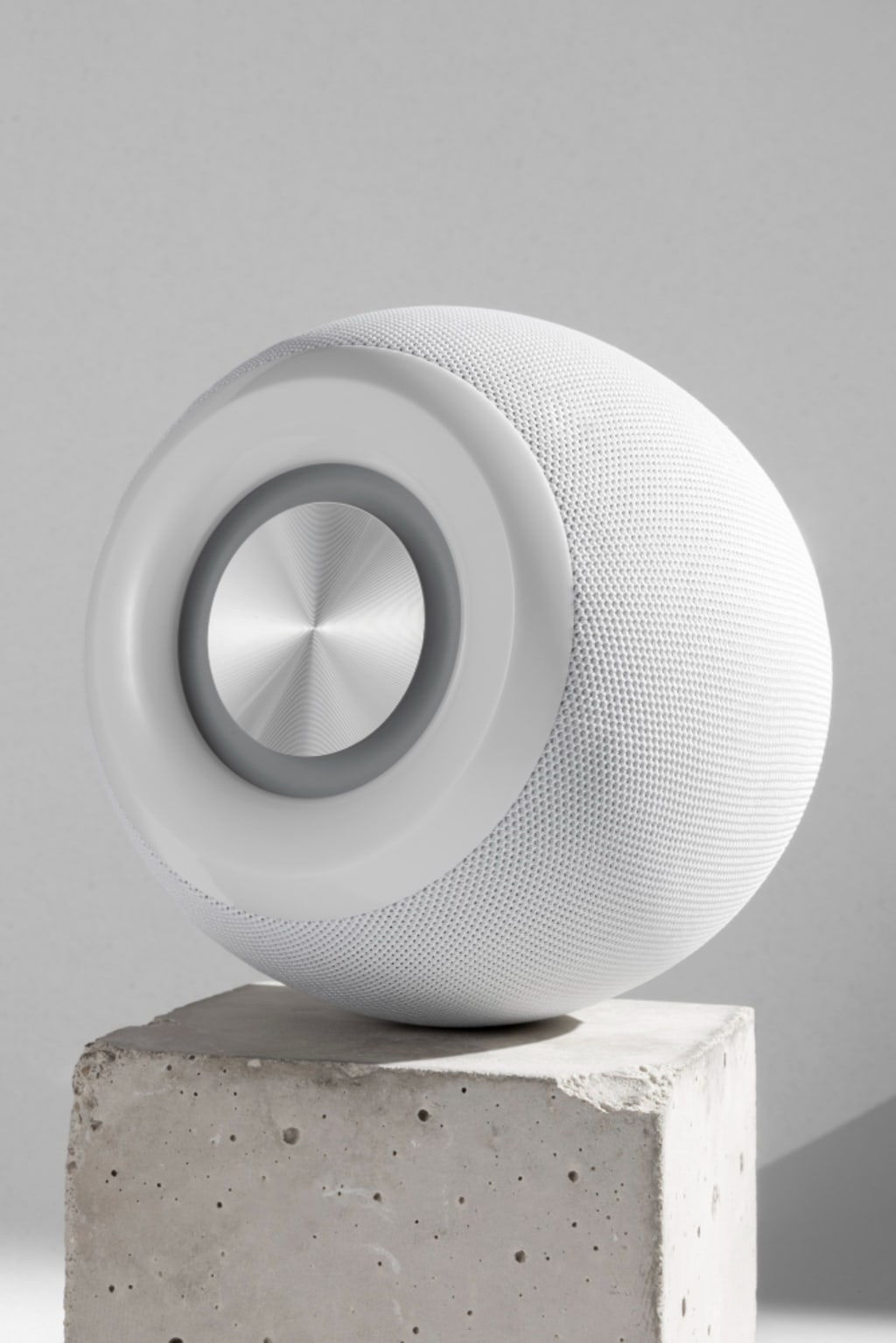
The Quiet Revolution: How White Noise Machines Became a Sleep Industry Staple
Most people assume silence is the best environment for sleep. Neuroscientists would disagree. The brain doesn't shut off in the absence of sound — it listens harder, scanning for threats. That's precisely why a device that generates a steady wash of broadband noise has quietly become one of the fastest-growing categories in consumer wellness electronics. The white noise machine market, valued at roughly $1.49 billion in 2025, is on course to nearly double, reaching an estimated $2.87 billion by 2035. Sizing up where that growth is coming from reveals something about how modern life is reshaping the relationship between people and sleep. Detailed figures on segment composition are available in this white noise machine industry overview.
Noise as Medicine
The irony of using sound to block sound is not lost on sleep researchers. White noise works through a principle called auditory masking: a consistent acoustic signal raises the ambient threshold in the room so that sudden interruptions — a car horn, a closing door, a neighbor's television — no longer register as jarring contrast. The practical effect is deeper, less fragmented sleep. It's a non-pharmaceutical intervention, which is part of what's driving clinical interest.
Hospitals have been early institutional adopters. In intensive care units, where alarms, staff conversations, and equipment hums are constant, patient sleep disruption is a documented clinical problem linked to slower recovery. Some hospital systems now deploy white noise in patient wards as part of broader environmental noise reduction protocols. The end-user data reflects this: while home care settings represent the largest segment at 56.8% of demand, hospital and specialty clinic adoption is growing steadily as healthcare systems look for low-cost, non-invasive ways to improve outcomes.
The Adult Market Leads, but Pediatric Is Catching Up
Adults between 18 and 60 years old account for 62.4% of white noise machine demand — not surprising given that this group bears the greatest burden of stress-related sleep disruption. Workplace pressure, screen exposure late into the evening, and urban living all converge to fragment the kind of slow-wave sleep that the body needs for cognitive restoration.
But the pediatric segment deserves attention. White noise machines designed for infants and young children — including the plush stuffed-animal form factor that conceals a speaker inside — have become a fixture in pediatric sleep routines. Brands like Hatch, which has built an entire ecosystem around infant sleep products, have helped normalize the category for new parents who might once have viewed a noise machine as an unusual purchase. That normalization is pushing the category into mainstream retail and expanding the overall addressable audience.
Who Makes These Devices, and Where Are They Being Sold
Plug-in machines still dominate product mix at 49.2% of sales, a reflection of their reliability for overnight home use. But portable, battery-operated models are gaining ground quickly, particularly among professionals who travel frequently and refuse to leave their sleep environment to chance in a hotel room. The Marpac Dohm, one of the oldest noise machines in commercial production, remains a reference point in the category — a mechanical fan enclosed in a plastic housing, producing analog sound rather than digital playback, and still considered by many audiophiles to be superior to its electronic successors.
North America holds the largest regional position at 47.3% of the global market, but the data on white noise machine market size and market share suggests that Asia-Pacific is the region most likely to post the sharpest growth in the coming decade. Rapid urbanization in cities like Jakarta, Bangalore, and Ho Chi Minh City is creating exactly the kind of noise-saturated residential environment in which these devices find their most loyal customers.
Offline Still Wins, but the Margin Is Shrinking
Despite e-commerce's dominance across most consumer electronics, offline channels still account for 62.6% of white noise machine purchases. The reason is sensory: consumers want to hear the device before they buy it. Pharmacies, specialty health retailers, and baby product stores all allow for that kind of tactile engagement. But that share is eroding. Online platforms offer something physical stores cannot — thousands of detailed user reviews from parents, insomniacs, and shift workers who have stress-tested the product in real conditions. That informational depth is pulling a younger, research-oriented buyer online.
What the Decade Ahead Looks Like
The most interesting developments in this space aren't hardware upgrades — they're integration plays. White noise machines are increasingly embedded into smart home ecosystems, triggered by sleep tracking data from wearables, or synced with circadian lighting systems that shift in color temperature alongside sound profiles. As the boundary between wellness technology and connected home infrastructure continues to dissolve, devices that once seemed narrowly functional are becoming ambient layers of a broader architecture designed around human health. The companies that recognize this shift early — and build accordingly — are likely to define what the white noise machine looks like a generation from now.
About the Creator
Mark K. Belton
I’m Mark K. Belton, 26 years old, currently working as a Digital Marketing Intern. I have a strong interest in digital marketing and have been developing my skills in SEO, social media marketing, content creation, and online campaign
Enjoyed the story? Support the Creator.
Subscribe for free to receive all their stories in your feed.
Comments
There are no comments for this story
Be the first to respond and start the conversation.