
What Will the Future of UK Food and Beverage Industry Look Like by 2034?
Future of Supermarkets, Convenience Stores, and E-Commerce

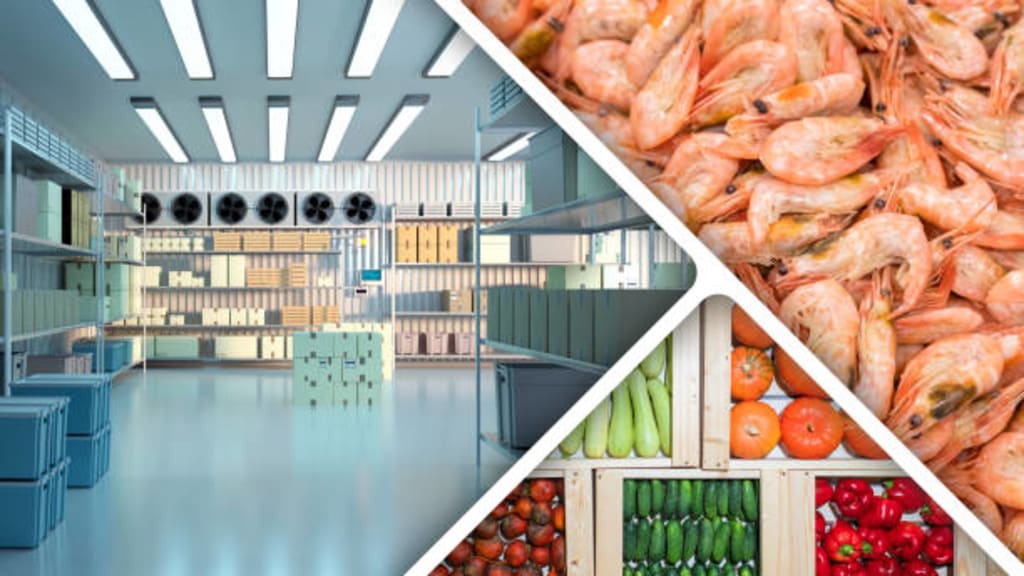
Food is more than just nourishment - it reflects culture, innovation, technology, and changing lifestyles. Over the past decade, the United Kingdom's food and beverage industry has undergone remarkable changes, influenced by shifting consumer preferences, digital transformation, sustainability initiatives, and advancements in food production. Looking toward 2034, the industry is expected to evolve even further as businesses adapt to new consumer expectations and global challenges.
From organic food and plant-based alternatives to AI-powered supply chains and online grocery shopping, the future of the UK food and beverage market Report will be defined by innovation and resilience. While traditional products will continue to hold an important place, new technologies and sustainable practices are likely to reshape how food is produced, distributed, and consumed.
Changing Consumer Preferences Will Continue to Shape the Market:
Modern consumers are more informed than ever before. Purchasing decisions are increasingly influenced by nutrition, ingredient transparency, sustainability, and ethical sourcing rather than price alone.
Health-conscious eating habits are expected to remain a major growth driver through 2034. Consumers are actively looking for products with fewer artificial ingredients, lower sugar content, higher protein, and functional health benefits.
At the same time, demand for premium food and beverages continues to grow as shoppers seek better quality, unique flavors, and authentic experiences. This trend encourages manufacturers to invest in innovation while maintaining high product standards.
Organic and Sustainable Foods Will Become More Mainstream:
Environmental awareness is transforming the way people purchase food. Consumers increasingly want products that support sustainable farming, reduce waste, and minimize environmental impact.
Organic fruits and vegetables, responsibly sourced meat, sustainable seafood, and environmentally friendly packaging are becoming key purchasing factors.
Food manufacturers and retailers are responding by investing in sustainable supply chains, recyclable packaging, and responsible sourcing practices. As environmental regulations become stricter and consumer expectations rise, sustainability is expected to become a competitive advantage rather than simply a marketing strategy.
Technology Will Revolutionize Food Production:
Technology is rapidly becoming one of the most influential forces in the food industry. Artificial intelligence, robotics, automation, and data analytics are helping businesses improve efficiency across the entire value chain.
Manufacturers are increasingly using AI to forecast demand, optimize inventory, reduce food waste, and improve production planning. Automation is also improving consistency, productivity, and quality control within food processing facilities.
These technological advancements enable companies to respond more quickly to changing consumer preferences while reducing operational costs.
Online Grocery Shopping Will Continue to Expand:
The way consumers purchase food has changed dramatically in recent years. Online grocery shopping, once considered a convenience, has become an integral part of everyday life for many households.
Digital commerce offers greater convenience, wider product selection, and personalized shopping experiences. Consumers can compare products, read reviews, schedule deliveries, and access subscription services with just a few clicks.
Retailers are investing heavily in digital platforms, mobile applications, and faster fulfillment systems to meet growing customer expectations. By 2034, omnichannel retail strategies combining physical stores with seamless digital experiences are expected to become the industry standard.
Health and Wellness Will Drive Product Innovation:
Consumers increasingly view food as part of a healthy lifestyle rather than simply a daily necessity. This shift is encouraging manufacturers to develop products that deliver nutritional value alongside taste.
Functional beverages, protein-rich snacks, fortified foods, and products designed to support digestive health, immunity, and overall wellness are expected to become even more popular.
Manufacturers are also reformulating existing products by reducing sugar, salt, and artificial additives while introducing cleaner ingredient labels that build consumer trust.
Convenience Will Remain a Key Growth Factor:
Busy lifestyles continue to influence food purchasing behavior across the United Kingdom. Consumers want products that save time without compromising quality or nutrition.
Ready-to-cook meals, frozen foods, meal kits, healthy snacks, and convenient beverage options are expected to remain important growth categories.
Innovation within convenience foods is also improving product quality through better preservation techniques, fresher ingredients, and environmentally friendly packaging.
Digital Supply Chains Will Improve Efficiency:
Food supply chains are becoming smarter and more transparent through digital technologies.
Advanced analytics, cloud computing, blockchain, and Internet of Things (IoT) technologies allow companies to monitor inventory, trace product origins, forecast demand, and improve logistics.
Greater supply chain visibility helps reduce food waste, improve food safety, and strengthen consumer confidence. Businesses that invest in digital supply chain technologies are likely to gain a competitive advantage in an increasingly complex marketplace.
Premiumization Will Continue Across Multiple Categories:
Consumers are increasingly willing to pay more for products that deliver superior quality, authentic ingredients, or unique experiences.
Premium coffee, specialty teas, artisan bakery products, gourmet dairy, premium beverages, and high-quality frozen meals continue to attract strong consumer interest.
This trend encourages companies to differentiate their brands through innovation, storytelling, sustainable sourcing, and premium packaging rather than competing solely on price.
Sustainability Will Influence Every Stage of the Industry:
Sustainability is no longer limited to farming practices. It now influences production, transportation, packaging, retail operations, and consumer purchasing decisions.
Food manufacturers are investing in renewable energy, water conservation, carbon reduction initiatives, and circular economy practices. Retailers are reducing plastic packaging while improving recycling infrastructure.
Consumers increasingly support brands that demonstrate environmental responsibility, making sustainability a long-term business priority.
Innovation Across Product Categories:
Every major food category is expected to evolve over the coming decade.
Fresh fruits and vegetables will benefit from advances in sustainable agriculture and precision farming. Dairy producers are introducing innovative products alongside lactose-free and protein-enriched options. Frozen and processed foods continue to improve in quality and nutritional value.
Coffee and tea manufacturers are expanding premium offerings, while non-dairy beverages continue attracting consumers seeking plant-based alternatives. Alcoholic beverage companies are responding to demand for premium, low-alcohol, and alcohol-free products.
These developments illustrate how innovation extends across the entire food and beverage ecosystem.
Opportunities for Businesses:
The evolving market presents significant opportunities for manufacturers, retailers, distributors, technology providers, and investors.
Businesses that embrace digital transformation, sustainable production, product innovation, and changing consumer preferences will be better positioned to capture future growth.
Investment in research and development, customer insights, and advanced manufacturing technologies will become increasingly important as competition intensifies.
Companies capable of delivering healthier, more sustainable, and more convenient products are likely to build stronger customer loyalty and long-term success.
Looking Ahead to 2034:
The future of the UK food and beverage industry is expected to be shaped by innovation, sustainability, technology, and evolving consumer lifestyles. Traditional food categories will continue to thrive, but they will increasingly be supported by smarter production methods, digital retail channels, and environmentally responsible practices.
Consumers will continue demanding greater transparency, healthier products, and personalized experiences, encouraging businesses to innovate across every stage of the value chain.
By 2034, the UK's food and beverage industry is likely to become more connected, more sustainable, and more technology-driven than ever before. Organizations that invest in innovation while remaining responsive to changing consumer expectations will be best positioned to succeed in this dynamic and competitive marketplace.
The future of food in the United Kingdom is not simply about producing more - it's about producing better, wasting less, and delivering greater value to both consumers and the environment. That transformation is already underway, and the coming decade promises to redefine the industry's direction for years to come.
About the Creator
Enjoyed the story? Support the Creator.
Subscribe for free to receive all their stories in your feed.
Comments
There are no comments for this story
Be the first to respond and start the conversation.