
What's Really Fueling the Motocross Equipment Market Boom
Behind the roost and throttle, a global industry is shifting gears faster than most riders realize.

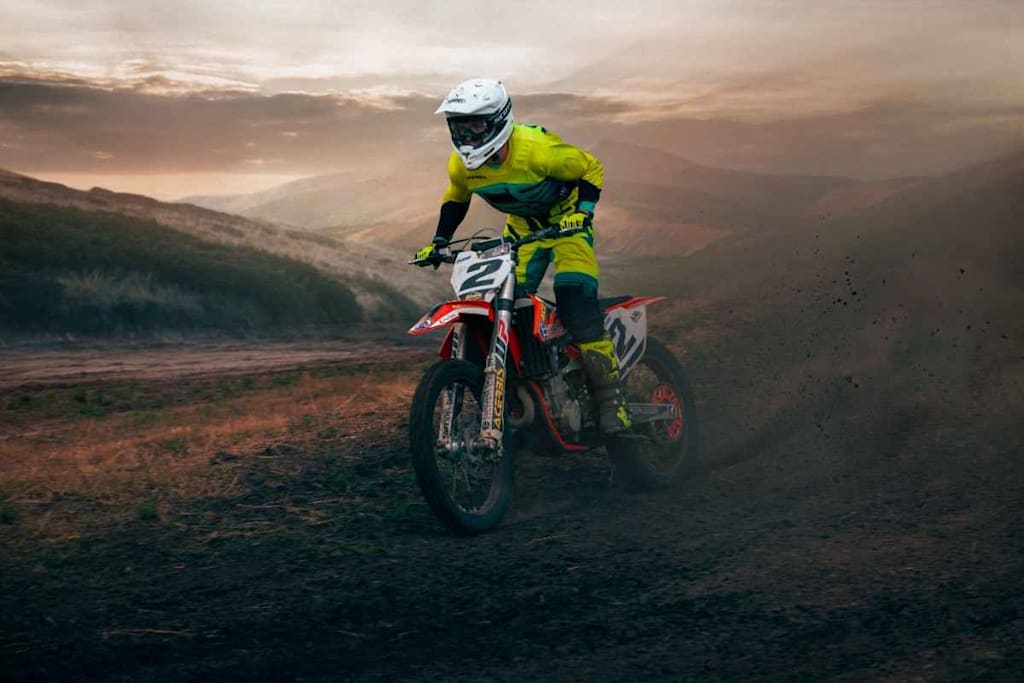
The Dirt on a Sport That Never Slows Down
Walk the pits at any amateur motocross event and you'll notice something that might surprise an outsider: the gear these riders wear costs more than some people's cars. Entry-level helmets run $300. A complete kit — boots, pants, jersey, gloves — can push $800 before anyone adds a chest protector. This level of investment is exactly why the global motocross equipment market has become a serious sector for powersports companies and sporting goods investors alike, tracking where committed consumer spending is actually heading.
Researchers looking at the full breakdown of this space can explore the underlying segment data here — the regional and product-level splits are worth reviewing before drawing conclusions.
Safety Has Moved to the Center of the Purchase Decision
One of the clearest shifts over the past decade is the elevation of protective gear from optional extra to baseline expectation. A generation ago, a helmet and boots were considered sufficient for most riders. Today, roost deflectors, kidney belts, neck braces, and CE-rated body armor are standard components of a serious kit.
This hasn't happened by accident. High-profile injuries in professional racing, combined with growing parental awareness around youth participation, have pushed safety equipment up the priority list for buyers at every level. Manufacturers have responded with genuine R&D investment: MIPS helmet technology, D3O impact-absorbing armor, and carbon-fiber neck braces that offer meaningful protection without the bulk of older designs.
Youth Participation Is Building a Long Pipeline
The most strategically significant trend for long-term observers is the growth of youth motocross. Entry-level 50cc bikes introduce children as young as four to the sport, creating a generational pipeline of riders who develop brand preferences early. As they age into larger bikes and more competitive categories, their equipment spending scales accordingly.
This pattern is particularly visible in the United States, Australia, and Western Europe, where organized youth racing programs and purpose-built facilities have expanded significantly. Industry analysts tracking the motocross equipment market size and growth identify youth-oriented protective gear as one of the faster-growing sub-segments, driven largely by safety-conscious parents investing ahead of need.
Why the Amateur Segment Is Spending Like Professionals
The motocross consumer has changed in a measurable way. Budget gear once dominated the amateur segment. Over the past several years, there has been a visible and documented shift toward mid-premium and premium products even among riders who compete recreationally.
Social media is a significant factor. A helmet debuted at the Motocross of Nations or a Supercross round reaches riders worldwide within hours. When Fox Racing relaunched its flagship helmet line with updated safety certifications and a lighter shell, it sold through multiple restock cycles in the weeks following release. That kind of response doesn't happen in a market where consumers are passive — it reflects riders who follow product development closely and purchase when specifications genuinely improve.
Online retail has reinforced this. Riders now have direct access to professional-grade equipment without the geographic constraint of local powersports dealers, and they're using that access.
Where Things Go From Here
The combination of rising youth participation, safety-driven purchasing behavior, and a documented premium shift points toward sustained growth for this sector over the coming decade. Asia Pacific and Latin America represent the most significant emerging opportunity — markets where rising incomes and expanding motorsport culture are beginning to follow trajectories that North American and European markets established years earlier.
For established players — Fox, Alpinestars, Troy Lee Designs, Bell, Leatt — the opportunity is in building brand relationships with new entrants early while deepening loyalty with existing rider communities. Motocross produces riders who stay engaged for decades. That longevity makes the sport's consumer base something unusual in the action sports world: a long-term relationship rather than a transactional one. The category reflects that, and the investment community is starting to notice.
About the Creator
Enjoyed the story? Support the Creator.
Subscribe for free to receive all their stories in your feed.
Comments
There are no comments for this story
Be the first to respond and start the conversation.