
What's Driving Shredder Blades Market Growth Toward $900M
Industrial recycling demands and e-waste volumes are fueling a decade of steady expansion in shredder blade manufacturing.
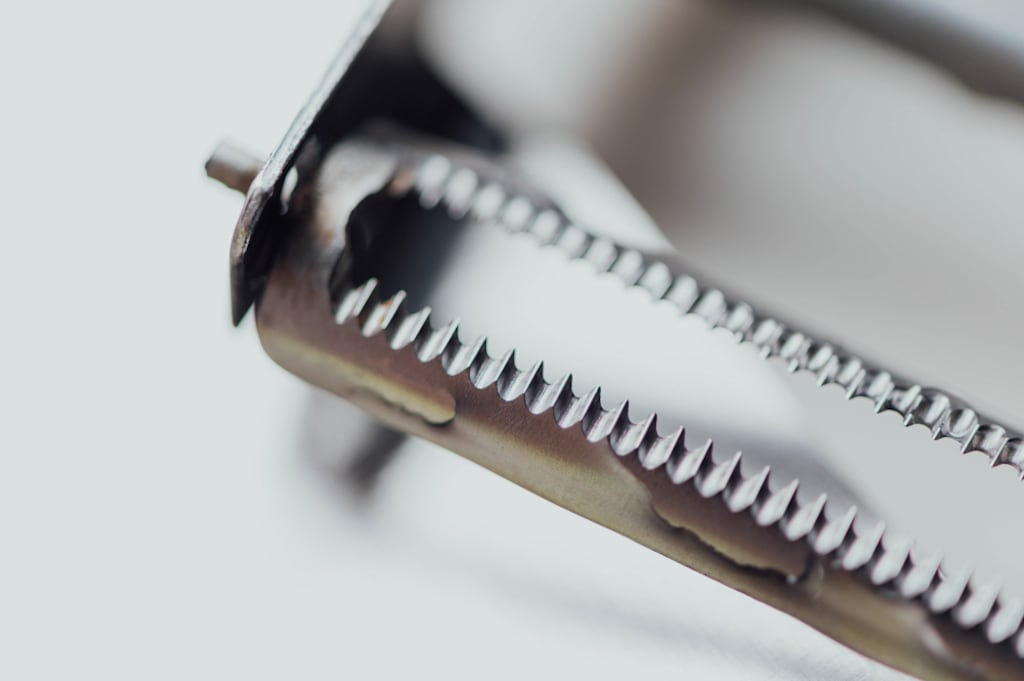
The Quiet Industry Keeping Global Recycling Running
Every time a car is scrapped, a data center is decommissioned, or a city clears its recycling bins, something has to cut through the mess. That something is a shredder blade — and the market for these industrial workhorses is far larger, and growing far faster, than most people would guess. The global Shredder Blades Market size stands at roughly $520 million in 2025 and is projected to climb toward $900 million by 2035, expanding at a compound annual rate of 5.6%. The numbers reflect a world that is producing more waste than ever before — and finally getting serious about processing it. Detailed figures on segment breakdowns and application data are noted in this shredder blades industry overview.
Why a Blade Replacement Cycle Is an Economy Unto Itself
The average industrial shredder blade needs replacing after roughly 18 months of heavy use, even when the machine it belongs to will keep running for five or six years. That replacement gap is the engine of this market. And it gets more interesting: wear-resistant blades can typically be resharpened five to eight times before they need to be swapped entirely, meaning operators are constantly cycling through service intervals. For large recycling facilities handling hard metals or mixed e-waste streams, procurement decisions around blade grade and geometry are not minor. They determine energy consumption, downtime frequency, and output consistency all at once.
The materials side of the market reflects these operational pressures. Alloy tool steel currently holds the largest share — about 32% in 2025 — because it balances hardness, cost, and versatility for general industrial use. Tungsten carbide alloys are gaining traction in the most demanding applications, such as shredding automotive scrap or thick industrial metal, because they simply last longer under extreme stress. For pharmaceutical and food-processing facilities, martensitic stainless steel variants are the standard choice, offering corrosion resistance alongside the mechanical strength needed to handle regulated waste streams.
E-Waste and the Fastest-Growing Application
Among the various material streams that shredder blades process — metals, plastics, rubber, wood, cardboard — electronic waste is emerging as the most dynamic growth category. The volumes are staggering. Discarded electronics now represent one of the fastest-accumulating waste streams globally, and governments across the European Union and Southeast Asia are tightening the legal requirements around how that material is handled.
Processing e-waste is genuinely difficult. A single circuit board contains metals, plastics, and composite materials that each impose different stresses on a cutting blade. Blades operating in this space must maintain edge integrity across mixed material streams, which is pushing manufacturers toward more specialized alloy compositions and tighter manufacturing tolerances. In March 2026, Vecoplan — a German-headquartered shredding equipment company — unveiled its VEZ 3300 e-mobil mobile shredder, a unit designed specifically for flexible, location-independent processing. The launch signals where demand is heading: toward adaptable systems capable of operating where waste actually accumulates, rather than waiting for material to come to a centralized facility.
The Regional Picture: North America Leads, Asia Accelerates
North America currently holds the dominant regional position, accounting for just over 40% of global market value — approximately $210 million in 2025 alone. The United States drives that figure through a mature recycling infrastructure, consistent metal scrap volumes from manufacturing and construction, and regulatory environments that require documented waste disposal. In May 2025, private equity firm Pfingsten Partners acquired American Cutting Edge, one of the established North American shredder blade manufacturers, signaling continued institutional interest in the segment.
Asia Pacific presents the clearest acceleration story. Rapid industrialization, surging e-waste generation in China and India, and government-backed recycling investment are combining to create demand that North America's established players are already watching closely. According to the data tracked in Shredder Blades Market growth analyses, Asia Pacific is on track to be the fastest-expanding regional market through 2035.
Steel, Carbide, and the Next Decade
The near-term trajectory for shredder blades is being shaped by two overlapping forces: the push toward longer-lasting blade compositions and the expansion of recycling mandates across emerging economies. Manufacturers that can offer blades with verifiable durability data — extended intervals between resharpening, consistent particle output, lower energy draw — are in a strong position. Circular economy policy is no longer an abstract commitment in most major markets; it comes attached to procurement requirements and operational audits. That reality turns a component as unglamorous as an industrial cutting blade into a compliance asset. Over the next ten years, the companies investing most in precision-engineered, application-specific blade solutions will likely define not just a market, but the material throughput capacity of the global recycling system itself.
About the Creator
Mark K. Belton
I’m Mark K. Belton, 26 years old, currently working as a Digital Marketing Intern. I have a strong interest in digital marketing and have been developing my skills in SEO, social media marketing, content creation, and online campaign
Enjoyed the story? Support the Creator.
Subscribe for free to receive all their stories in your feed.
Comments
There are no comments for this story
Be the first to respond and start the conversation.