
What's Behind the Dermaplaning Tools Market's Quiet Surge
A clinical skincare technique has crossed over to mainstream retail — and the numbers show it's far from a passing trend.
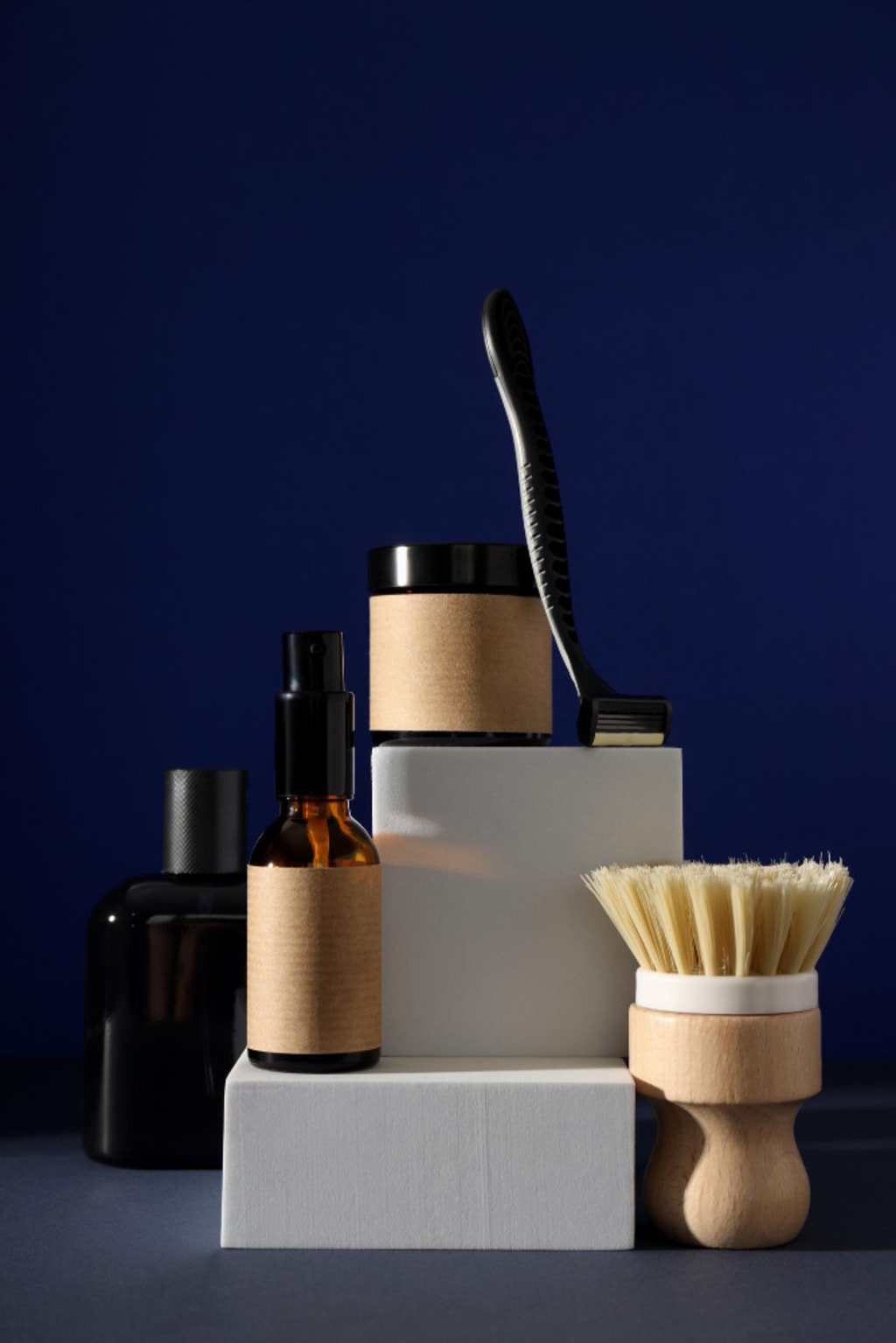
The Razor-Thin Edge: Why Dermaplaning Moved from Spas to Medicine Cabinets
Walk into any mid-range beauty supply store today and you'll find dermaplaning tools shelved alongside electric toothbrushes and facial steamers — not locked behind an esthetician's counter. That shift happened faster than most of the beauty industry expected. What was once a $200-per-session clinic treatment has become a weekly at-home ritual for millions, and the commercial numbers are starting to reflect it. The Dermaplaning Tools Market size stood at approximately USD 690.4 million in 2025 and is projected to nearly double, reaching USD 1,356.5 million by 2035, growing at a compound annual rate of 7.0%. Segmentation details, growth drivers, and regional breakdowns are covered in this dermaplaning tools industry overview.
From Clinical Tables to Bathroom Shelves
Dermaplaning — using a calibrated surgical-grade blade to remove dead skin cells and vellus hair from the face — has existed in clinical dermatology for decades. The technique produces smoother texture, more even tone, and better absorption of topical serums. Dermatologists in the United States and Europe used it primarily as a prep step before chemical peels or laser treatments. Patients paid clinic prices. Most people never knew it existed.
That changed when Korean and American beauty influencers began filming their at-home sessions around 2019. The aesthetics were oddly satisfying — clean, methodical, visibly effective — and the tools were cheap enough to buy on impulse. Brands like Tinkle and Schick's Dermaplaning wand were suddenly everywhere. What followed was a quiet but sustained surge in consumer interest that outlasted the initial TikTok cycle.
Who's Actually Buying, and Why Now
The demographic driving Dermaplaning Tools Market share growth is broader than beauty-industry analysts initially assumed. It isn't just Gen Z consumers chasing glass-skin aesthetics. Women in their 40s and 50s have emerged as a significant and loyal buyer segment, drawn by the tool's effectiveness on fine facial hair and its role in making skincare products penetrate more efficiently. Mature skin absorbs serums and retinoids better after the barrier of dead cells is removed — a fact that dermatologists have noted in clinical contexts for years, and one that's finally filtered into mainstream awareness.
Price accessibility matters here. Professional dermaplaning sessions in urban U.S. clinics typically run between $75 and $150 per visit. A quality at-home tool costs anywhere from $8 to $40 and lasts through multiple uses. The math isn't complicated. For consumers watching household spending closely, switching to a home-use alternative doesn't feel like a compromise — it feels like competence.
Asia-Pacific as the Accelerant
The most consequential regional development in this market isn't happening in North America. It's happening across East and Southeast Asia, where skincare culture runs deep, distribution infrastructure is strong, and e-commerce penetration is exceptionally high. China, South Korea, Japan, and increasingly Vietnam and Indonesia have produced large, engaged consumer bases for facial tools. Korean beauty brand Missha and Japanese personal care companies have both expanded their exfoliation tool lines in recent years, reflecting real demand rather than speculative investment.
India represents a different kind of opportunity. Urban consumers in metros like Mumbai and Bengaluru are increasingly reaching for professional-grade skincare tools, aided by affordable domestic pricing and growing access to international brands through platforms like Nykaa and Myntra. Regulatory frameworks around cosmetic devices remain relatively light, which has accelerated product availability without the compliance friction seen in some Western markets.
Analysts tracking the Dermaplaning Tools Market size and share have pointed to Asia-Pacific as the region likely to close the gap with North America significantly over the next decade — not by replicating Western consumer behavior, but by developing its own product preferences and use patterns.
Safety, Standards, and What Comes Next
The at-home dermaplaning category has a genuine safety challenge. Consumer tools vary widely in blade quality, angle design, and instructional clarity. Poorly designed tools — or well-designed tools used incorrectly — can cause micro-lacerations, irritation, or infection. A handful of regulatory bodies in the EU and the United States have begun examining whether at-home dermaplaning devices require clearer classification as cosmetic devices versus simple grooming tools. How those classifications settle will shape product development timelines and retail availability across different markets.
Manufacturers who get ahead of that regulatory curve — by investing in better safety features, clearer instructions, and dermatologist-validated formulations — are likely to build brand trust that commodity competitors can't easily replicate. The segment that stands to gain most is the premium at-home tier: tools priced between $30 and $80, positioned as professional-grade without requiring professional supervision. That middle ground, between a $9 disposable and a $300 clinic session, is where the real commercial contest is being fought.
As the category matures and clinical validation catches up with consumer adoption, dermaplaning tools may follow the arc of electric toothbrushes — first novelty, then niche, then simply what people use.
About the Creator
Mark K. Belton
I’m Mark K. Belton, 26 years old, currently working as a Digital Marketing Intern. I have a strong interest in digital marketing and have been developing my skills in SEO, social media marketing, content creation, and online campaign
Enjoyed the story? Support the Creator.
Subscribe for free to receive all their stories in your feed.
Comments
There are no comments for this story
Be the first to respond and start the conversation.