
What's Actually Driving the Women Leather Luxury Footwear Market
Behind the slow, steady growth are acquisitions, sustainability pressure, and a shift toward everyday luxury.

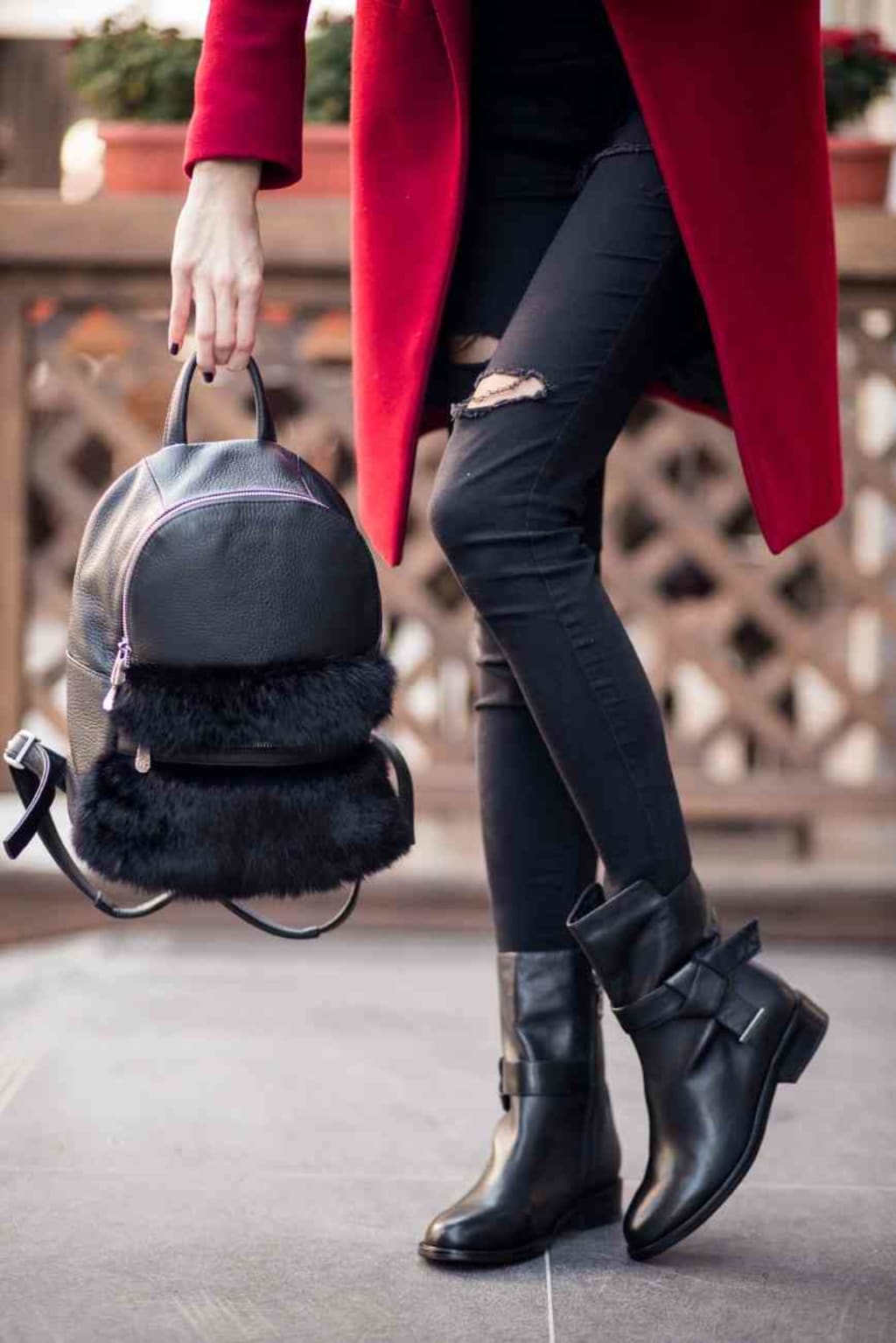
A $700 pair of boots doesn't sell itself on durability alone — it sells on heritage, craftsmanship, and the quiet signal it sends before anyone says a word. That mix of function and status is exactly what's kept the Women Leather Luxury Footwear Market expanding, if modestly, with industry research projecting growth from roughly $20.4 billion in 2025 to $29.9 billion by 2035, a compound annual growth rate of 3.9%. That's a slower pace than flashier consumer categories, and the slowness itself says something about how this market actually works.
A more detailed view of how those figures split by boot, heel, and sandal categories sits in a sample chapter the publisher has made available separately.
A $120 Million Lesson in How These Deals Actually Work
In February 2025, footwear group Caleres signed a definitive agreement to acquire Stuart Weitzman from Tapestry for $105 million. By the time the deal actually closed in August 2025, the price had moved to $120.2 million — a small but telling detail about how valuations shift between signing and completion in a market where brand equity is genuinely hard to price. A few months later, in December 2025, holding company HSG became the majority investor in Golden Goose at a valuation of roughly €2.5 billion, a clear signal that investors still see real upside in luxury footwear even as overall category growth stays in the low single digits. Slow growth, it turns out, doesn't mean slow dealmaking.
Boots Do Most of the Heavy Lifting
Boots account for 42.7% of the market by product type, ahead of heels, sandals, and luxury sneakers combined — a function of their year-round versatility more than any single design trend. What's more revealing is who's buying them and why. Casual Luxury Use makes up nearly 46% of total demand, more than special-occasion wear, trend-driven purchases, and professional attire combined. That's a meaningful shift from how this category used to operate, when luxury footwear was largely reserved for weddings, galas, or the office. Increasingly, the women leather luxury footwear market is being built around everyday wear rather than the closet reserved for special nights out, which helps explain why brands keep expanding casual and sneaker-adjacent lines alongside their formal collections.
The Leather Question Nobody's Fully Answered
Genuine leather remains the default material here, prized for how it ages and holds shape over years of wear. But that preference sits awkwardly next to a growing customer base that cares about how the leather was sourced in the first place. Younger luxury shoppers in particular are pushing brands toward chrome-free tanning and vegetable-tanned alternatives, and a handful of houses have started publishing more detail about their supply chains in response. None of this has slowed demand for leather itself — durability and aging quality are hard to replicate with synthetics — but it's added a layer of scrutiny that didn't exist a decade ago, and brands that ignore it risk losing exactly the younger customers they need to replace today's loyal buyers.
Where the Growth Is Actually Concentrated
North America holds the largest share at 36.7%, worth around $7.4 billion, supported by deep luxury retail infrastructure and flagship stores in major cities. Europe's position is different but just as entrenched: Italian and French manufacturers carry centuries of craftsmanship that's difficult for newer markets to compete with on heritage alone. The more interesting movement is in Asia Pacific, where rising affluence in China and India is expanding the luxury-buying middle and upper class faster than almost anywhere else, and brands are responding by opening retail networks beyond the usual flagship cities into smaller, fast-growing urban centers.
Looking Ahead
The next decade probably won't be defined by a single breakthrough design, but by how well legacy houses balance two things that don't naturally pull in the same direction: heritage craftsmanship and a younger buyer base that wants both sustainability credentials and everyday versatility. Customization and made-to-order services are likely to keep growing as a way to deepen loyalty among existing customers, while the luxury sneaker crossover keeps pulling in buyers who'd never have considered a designer boot a decade ago. Whoever manages that balance well is likely to keep outgrowing this market's otherwise modest pace.
About the Creator
Enjoyed the story? Support the Creator.
Subscribe for free to receive all their stories in your feed.
Comments
There are no comments for this story
Be the first to respond and start the conversation.