
What Is Renewable Energy Storage and Why Does It Matter in 2026?
Growing renewable energy adoption, grid modernization, battery innovation, and sustainability goals are driving rapid expansion of renewable energy storage solutions in Mexico.

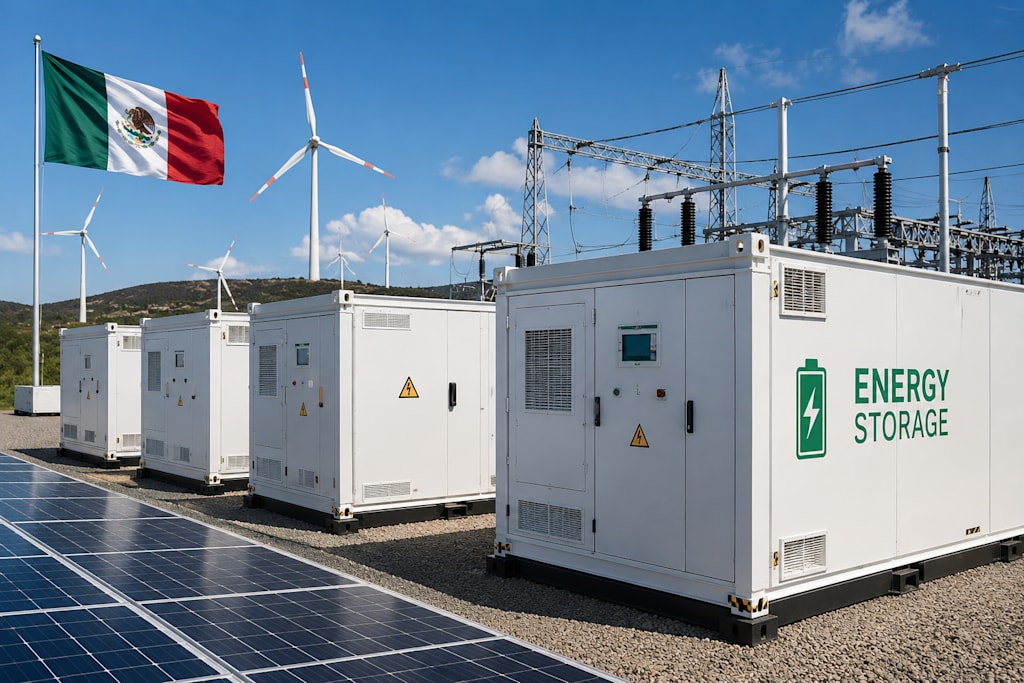
The energy industry is rapidly moving toward renewable sources, but one key area-energy storage-continues to be an influential factor in the industry's progression. As governments throughout the world shift to more wind and solar power, storing the energy created by these renewable sources has become a necessity for improving grid stability, reliability, and long-term sustainability.
In Mexico, increasing awareness and efforts in renewable energy transition, grid modernization, and energy security has greatly enhanced the demand for renewable energy storage solutions.
As per IMARC Group, market value of Mexico renewable energy storage reached 1,382.47 Million USD in 2025 and is expected to expand to 3,536.88 Million USD by 2034 with a compound annual growth rate of 11.00% from 2026-2034.
What is Renewable Energy Storage?
Renewable energy storage solutions consist of a number of technologies and systems used forcapturing and storing electricity that is generated from various renewable energy sources including:
- Solar power
- Wind energy
- Hydropower
- Biomass energy
Stored energy is used at a later point in time when renewable energy generation is reduced or at the peak electricity demand time. Energy storage systems help in balancing the supply and demand, making the supply of electricity more stable and reliable when electricity is fluctuating due to natural elements or time of day.
Renewable Energy Storage: Why It is More Important in 2026
1. Renewable energy is being adopted at a faster pace.
The rate at which countries such as Mexico is investing in increasing renewable energy capacity is higher than ever before to reduce dependency on fossil fuels and help the country adopt sustainability. However, energy generation sources like solar and wind have variable and intermittent characteristics (solar energy is only produced in daytime, while wind energy depends on the speed of wind) which need to be managed by storing the excess electricity at the time of high energy production to fulfill demand at times of low production. Energy storage systems serve the need by capturing surplus electricity when renewable generation is at its peak and releasing it when demand goes up and the supply from renewables is insufficient.
2. Grid stability is becoming more critical.
With the increasing amount of renewable energy in the system, managing grid stability becomes a more crucial aspect. Energy storage systems aid in stabilizing the electricity grid by balancing electricity supply and demand, stabilizing power fluctuations, managing blackouts risks, regulating frequency and balancing peak energy loads. These features make them increasingly important for the modern grids moving toward clean energy sources.
3. Battery technology is improving at an exponential rate.
Advances in battery technology have made it more economical and efficient to produce renewable energy storage systems. Currently, the primary technology in use is the lithium-ion battery which provides high energy density, quick charge cycles, and long battery life. Technologies such as flow batteries, solid state batteries, and hybrid storage systems are also being used in various renewable energy storage solutions and will significantly influence the future of the energy industry.
4. Solar energy growth has boosted the demand for solar power storage systems.
Mexico has a great potential of tapping into solar power given its climate and high levels of solar radiation. With increase in both residential, commercial, and utility scale solar installations, demand for solar power storage systems will significantly grow. Solar power storage solutions will help in using the excess energy produced in the daytime at night time, helping maximize its usage and reducing wasted energy.
5. Energy security and independence are priorities for governments.
Energy storage solutions also contribute toward achieving energy security and independence for a country. The usage of storage systems leads to decentralization of energy and the possibility of backup power, thereby reducing dependence on centralized power production and fossil fuel imports. Businesses, utilities, and even homes are making significant investments in storage systems for improving resiliency during grid failures and power outages.
6. Commercial and Industrial consumers are increasing their usage of renewable energy storage solutions.
With a view to reduce the costs of electricity and maintain a higher degree of operational sustainability, numerous industrial and commercial consumers are adopting renewable energy storage systems for shaving peaks, increasing energy efficiency, providing backup power to equipment, reducing energy expenses, and lowering carbon emissions. As sustainability initiatives for businesses gain momentum, demand for such solutions is expected to grow significantly.
7. Government policies are encouraging investment in clean energy.
The push towards a cleaner environment and energy sources has led to regulations and government incentives being put in place that promote the development of renewable energy infrastructure. Governments and regulatory bodies are implementing various policies like incentivizing grid modernization projects, subsidizing renewable energy integration programs, setting sustainability targets and reducing carbon emissions. These policies create a conducive environment for increasing demand and usage of renewable energy storage solutions.
8. Smart Grids and Digital Energy Systems are driving the growth.
With the increasing demand for electricity, development of smart grids will further accelerate the importance of energy storage. Modern smart energy systems utilize modern technologies like AI-driven energy management, IoT-based grid monitoring and real-time grid analytics to effectively optimize energy usage, making them central to smart energy systems.
Key Renewable Energy Storage Technologies:
- Lithium-Ion Batteries
- Pumped Hydro Storage
- Flow Batteries
- Thermal Energy Storage
Challenges in the Market:
The industry faces several challenges, including high upfront installation costs, raw material supply issues, battery recycling and disposal, infrastructure investment, and regulatory complications. However, declining battery prices and growing technical innovation are working towards making the market more accessible.
Renewable Energy Storage is the key to the future of energy because of following reasons:
- Rapid adoption of renewable energy
- Increase in electricity demand
- Growing concerns for a cleaner environment
- Ongoing advancements in battery technology
- Increasing necessity for smart grids and modern infrastructure
Conclusion
Renewable energy storage systems are among the most vital technologies to be integrated into the global clean energy transition. The demand for these systems will only rise as governments worldwide continue to adopt solar and wind power and improve grid infrastructure. As the country moves toward an even more efficient and reliable energy infrastructure, renewable energy storage will undoubtedly play a key role.
About the Creator
michael matthew
I’m a market researcher passionate about understanding people, markets, and motivations. My work blends data analysis, consumer psychology, and strategic insight to help brands and businesses make informed, human-centered decisions.
Enjoyed the story? Support the Creator.
Subscribe for free to receive all their stories in your feed.
Comments
There are no comments for this story
Be the first to respond and start the conversation.