
What Is Digital Marketing Software and Why Is AI Changing It in 2026
AI-powered digital marketing software is transforming how businesses automate campaigns, personalize customer experiences, and optimize marketing performance in 2026.

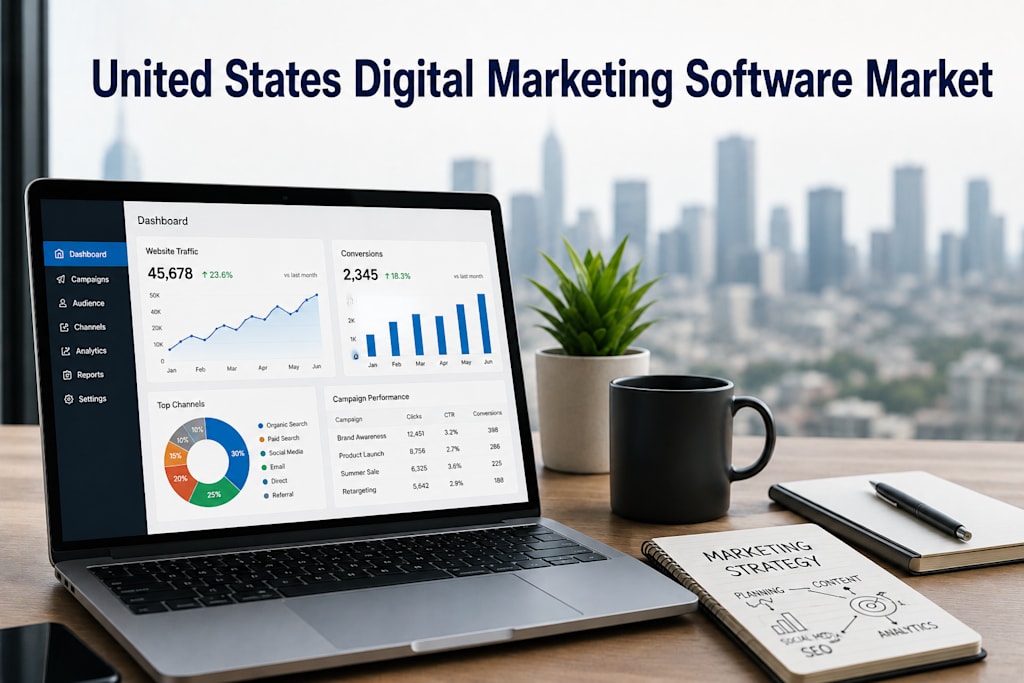
Digital marketing is more than just emails and social media updates now. In 2026 businesses are using smart software that automates campaigns, analyzes customers in real time, personalizes marketing messages, and even predicts their next purchase. Digital marketing software, fueled by AI, is at the core of all this innovation.
Companies of all sizes, from startups to global giants, are investing in sophisticated marketing technology to keep up with the fast-paced digital landscape. From managing ads, engaging customers, analyzing performance, and optimizing SEO, to email marketing and social media.
IMARC Group reported that the United States digital marketing software market was worth USD 29.8 billion in 2025 and is expected to increase to USD 74.6 billion by 2034, with a compound annual growth rate (CAGR) of 10.73% from 2026-2034. (imarcgroup.com)
So what exactly is digital marketing software?
Essentially, digital marketing software is any platform or tool that businesses use to plan, execute, automate, and measure their online marketing efforts. This can include software that helps manage things like email marketing, social media scheduling, customer segmentation, lead generation, SEO optimization, paid advertising, and marketing analytics.
Instead of trying to run campaigns and track data manually, companies are using integrated software to bring all of their customer data together and automate the repetitive aspects of marketing. Marketing teams can work faster and smarter, make decisions based on real data, and create more personalized experiences for customers.
But perhaps the most exciting change in 2026 is the rise of AI.
AI is revolutionizing marketing software. Traditional tools are largely designed to help companies organize their marketing campaigns and track data. However, AI-powered systems can now analyze that data, make predictions and informed decisions, and optimize campaigns without constant human intervention. For example, AI tools can determine which products a customer is most likely to purchase based on their browsing habits, past purchasing history and how they interact with brands. From there, marketing software can automatically serve up targeted ads, emails or recommendations in real time. It is this kind of personalization that is quickly becoming a competitive advantage in digital marketing.
Another reason AI is a key factor in the changing market is its rapidly expanding use in content automation. Companies are increasingly turning to AI-driven tools to generate ad copy, social media updates, email marketing messages, product descriptions, customer service replies, and more. This allows brands to create marketing content on a massive scale while significantly reducing costs and improving efficiency.
The value of predictive analytics is also becoming clearer to modern digital marketing platforms. AI can provide insights into customer behaviors and trends, forecast how marketing campaigns will perform, and identify the best times and ways to target customers. Such capabilities are helping companies improve their return on investment while avoiding unnecessary advertising expenses.
Another important market trend is the integration of customer data platforms (CDPs) with omnichannel marketing solutions. Businesses want a single view of how their customers are interacting with them through all channels, including websites, mobile applications, social media platforms, emails, and online stores. AI-driven marketing software is consolidating these scattered customer data points into single, comprehensive platforms, allowing brands to develop seamless customer journeys.
The rise of e-commerce is a driving factor in the growth of digital marketing software, as well. Online purchasing is on the rise throughout the United States and retailers are pouring resources into digital marketing technology to attract and retain customers. Marketing automation platforms help e-commerce stores track customer behavior, win back abandoned shopping carts, send customized promotions, and boost conversion rates.
Looking at the various market segments, solutions include CRM, email marketing, search marketing, content marketing, social media marketing, campaign management, and analytics software. Cloud-based deployments account for the dominant share of the market due to their scalability, remote access, and reduced infrastructure costs.
Both small to medium businesses and large enterprises are increasingly using digital marketing software, and with smaller businesses, they are particularly benefiting from affordable, cloud-based AI tools that were previously only within reach of larger organizations.
Another growing area of the market is conversational AI and chatbots. Businesses are deploying AI customer service tools that provide real-time responses, answer frequently asked questions and guide customers toward making a purchase, 24/7. Chatbots are helping to increase customer satisfaction, reduce customer service wait times, and decrease operating expenses.
A particularly interesting aspect of the United States digital marketing software market is its link to broader changes in consumer behavior. Customers are demanding personalized experiences, instant responses and highly relevant suggestions through every channel of digital interaction. AI is the key that allows brands to fulfill these customer demands at scale.
As AI technology matures and becomes more accessible, market growth is expected to continue at an impressive rate. Businesses that are able to effectively combine automation, personalization, and predictive analytics in their marketing efforts are likely to gain a significant competitive advantage in the ever-evolving digital economy.
In many ways, digital marketing software is becoming much more than just a business tool-it is emerging as the intelligence layer of the modern brand, guiding the ways in which companies communicate with, sell to, and build relationships with their customers in 2026 and beyond.
About the Creator
michael matthew
I’m a market researcher passionate about understanding people, markets, and motivations. My work blends data analysis, consumer psychology, and strategic insight to help brands and businesses make informed, human-centered decisions.
Enjoyed the story? Support the Creator.
Subscribe for free to receive all their stories in your feed.
Comments
There are no comments for this story
Be the first to respond and start the conversation.